
Come preparare una riduzione al vino rosso degna di un ristorante
Se vuoi preparare una riduzione al vino rosso degna di un ristorante, devi padroneggiare la chimica fondamentale dei sapori intensi e l’arte della pazienza culinaria.
Anúncios
Questa salsa elegante eleva immediatamente qualsiasi taglio di carne. Trasforma una semplice cena casalinga in un’esperienza gastronomica raffinata, ricca di sfumature aromatiche e consistenze vellutate.
Molti appassionati temono questo processo tecnico. Tuttavia, seguendo le proporzioni corrette e controllando scrupolosamente le temperature, il successo è garantito anche nella cucina di casa.
In questa guida tecnica e dettagliata scoprirai esattamente come procedere. Ecco i punti chiave che esploreremo per padroneggiare questa iconica preparazione classica e strutturata:
- Selezione attenta del vino ideale
- Ingredienti aromatici fondamentali richiesti
- Guida pratica passo a passo
- Gestione precisa delle temperature
- Correzione rapida degli errori comuni
Perché la riduzione al vino trasforma i tuoi piatti
Il processo di ebollizione prolungata fa evaporare l’acqua e l’alcol presenti nel liquido. Questo concentra gli zuccheri naturali, gli acidi e i tannini del vitigno scelto.
Anúncios
Quando la parte liquida diminuisce, i sapori diventano incredibilmente profondi e complessi. La consistenza cambia radicalmente, passando da un fluido leggero a uno sciroppo denso.
L’aggiunta finale di burro freddo crea un’emulsione stabile. Questa tecnica classica francese garantisce una lucentezza perfetta e arrotonda le note acide, bilanciando il gusto complessivo.
Quale vino scegliere per una salsa impeccabile?
La regola d’oro della ristorazione è semplice e inequivocabile. Non cucinare mai con un vino che non berresti volentieri durante un pasto di qualità.
I cosiddetti vini da cucina contengono spesso sale aggiunto e conservanti chimici. Questi elementi alterano negativamente il sapore finale quando il liquido viene fortemente concentrato.
Per preparare una riduzione al vino rosso degna di un ristorante, privilegia bottiglie giovani e fruttate. Cabernet Sauvignon, Merlot o Syrah offrono una struttura eccellente.
++ Gestione dell’idratazione negli impasti ad alta alveolatura
Evita bottiglie troppo invecchiate o eccessivamente barricate. L’eccesso di legno e i tannini astringenti tendono a diventare amari e sgradevoli durante l’intensa fase di concentrazione termica.
L’importanza della casseruola corretta
Il materiale della casseruola influenza direttamente la velocità di evaporazione. L’acciaio inossidabile rappresenta la scelta ottimale per mantenere temperature stabili senza alterare il gusto delicato.
Evita assolutamente pentole in alluminio non trattato o ghisa nuda. Questi metalli reattivi possono interagire negativamente con l’acidità, donando un sapore metallico al risultato finale.
Scopre di piú: Tecniche di cucina italiana per meal prep settimanale efficace
Una base molto ampia aumenta la superficie di contatto con l’aria. Questo dettaglio strutturale accelera notevolmente il processo termico, risparmiando tempo prezioso ai fornelli di casa.
Gli ingredienti essenziali per la massima qualità
Oltre alla bevanda principale, la base aromatica definisce il carattere della salsa. Lo scalogno è fondamentale per apportare una dolcezza pungente ma decisamente raffinata.
Un brodo di carne denso e ricco di collagene fornisce la struttura portante. Il brodo di manzo o vitello fatto in casa è sempre l’opzione migliore.
Erbe fresche come timo o rosmarino aggiungono oli essenziali volatili. Il burro freddo, inserito rigorosamente alla fine, regala la classica texture vellutata e incredibilmente brillante.
Guida passo a passo: La tecnica infallibile
Inizia tritando finemente due grossi scalogni freschi. Rosolali dolcemente in una casseruola dal fondo spesso con una noce di burro, fino a renderli perfettamente traslucidi.
Versa mezzo litro del tuo vino selezionato direttamente nella casseruola calda. Aggiungi le erbe aromatiche fresche e porta il liquido a un bollore vivace ma controllato.
Lascia evaporare fino a quando il volume complessivo si riduce della metà. Questo passaggio cruciale richiede solitamente dai quindici ai venti minuti a fuoco medio-alto.
Incorpora duecentocinquanta millilitri di brodo di carne molto concentrato. Continua la cottura fino a ottenere una consistenza sciropposa, capace di velare elegantemente il dorso del cucchiaio.
++ Focaccia di Voltri: la variante ligure meno conosciuta
Rimuovi subito la casseruola dalla fonte di calore. Filtra il liquido attraverso un colino a maglie strette per eliminare gli scalogni e i rametti delle erbe.
Rimetti il liquido pulito nel pentolino caldo ma spento. Incorpora rapidamente il burro freddo a cubetti, muovendo costantemente il recipiente tondeggiante per emulsionare perfettamente l’intera salsa.
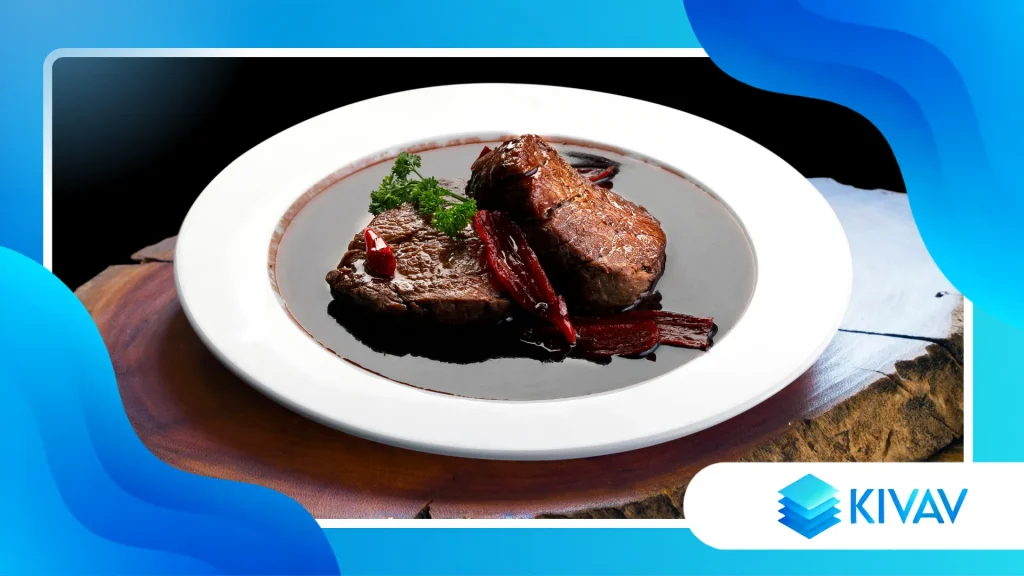
Tabella Comparativa: Tempi e Consistenze
| Fase di Cottura | Tempo Stimato | Consistenza Attesa | Obiettivo Tecnico |
| Rosolatura aromi | 3-4 minuti | Traslucida e morbida | Rilasciare zuccheri dolci |
| Riduzione liquida | 15-20 minuti | Fluida ma dimezzata | Evaporare l’alcol pungente |
| Aggiunta brodo | 10-15 minuti | Sciropposa e densa | Costruire struttura umami |
| Emulsione burro | 1-2 minuti | Vellutata e lucida | Stabilizzare l’intera salsa |
Gli errori comuni e le soluzioni pratiche
Bruciare lo scalogno nella fase iniziale rovina irreparabilmente l’intera preparazione artigianale. Mantieni sempre il fuoco basso e controlla visivamente la doratura per evitare note spiacevolmente amare.
Un errore frequente riguarda la gestione del burro freddo. Se la temperatura della salsa risulta troppo elevata, l’emulsione si rompe, separando il grasso dal liquido scuro.
Secondo le analisi tecniche del Consiglio Nazionale delle Ricerche (CNR), la temperatura ideale per emulsionare correttamente i grassi non deve mai superare gli ottantacinque gradi centigradi.
Se la salsa risulta troppo liquida, non aggiungere mai farina cruda. Riporta semplicemente il liquido sul fuoco dolcissimo per far evaporare l’ulteriore umidità residua in eccesso.
Come abbinare la salsa per esaltarne il gusto
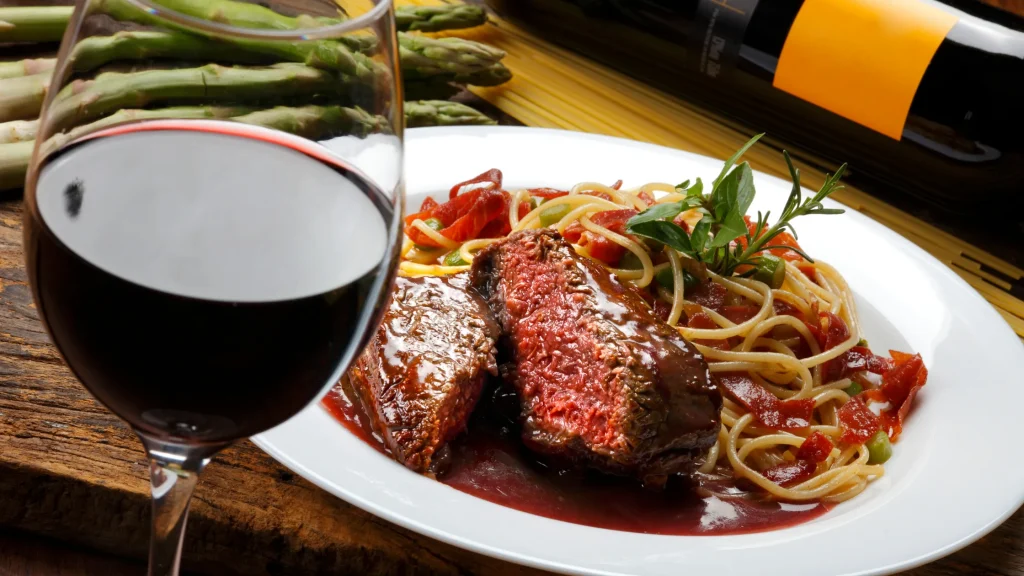
Questa preparazione intensa nasce per accompagnare carni rosse particolarmente succulente. Un filetto di manzo al sangue trova in questa vellutata salsa il suo partner gastronomico assolutamente perfetto.
Anche il petto d’anatra arrosto si sposa magnificamente con queste profonde note agrodolci. L’acidità residua taglia il grasso della pelle, bilanciando ogni singolo boccone in modo magistrale.
Per preparare una riduzione al vino rosso degna di un ristorante serve metodo. L’abbinamento corretto trasforma questo intenso sforzo tecnico in un trionfo di sapori indimenticabili.
Conclusione
Padroneggiare questa tecnica classica richiede molta dedizione e precisione millimetrica. Tuttavia, i risultati finali giustificano ampiamente il tempo e la grandissima cura investiti davanti ai fornelli domestici.
La capacità di bilanciare perfettamente acidità, dolcezza e grassi rappresenta l’essenza dell’alta cucina. Ora possiedi tutte le conoscenze pratiche necessarie per replicare questa magia nella tua sala.
Sperimenta liberamente con diverse bottiglie e calibra costantemente gli aromi secondo il tuo palato. Scoprirai presto che creare salse eleganti diventerà la tua nuova firma culinaria distintiva.
Domande Frequenti
Si può preparare questa salsa complessa in anticipo?
Certamente, puoi cuocere la base liquida il giorno prima e conservarla in frigorifero senza problemi. Riscaldala dolcemente e incorpora il burro freddo rigorosamente solo al momento del servizio.
Posso omettere il brodo di carne dalla ricetta?
Il brodo fornisce la struttura e la sapidità essenziali. Consulta le linee guida ufficiali del Ministero della Salute italiano per scoprire alternative vegetali sicure e ricche di umami naturale.
Perché la mia riduzione risulta troppo amara?
Probabilmente hai utilizzato una bottiglia eccessivamente invecchiata o troppo tannica. Durante la bollitura prolungata, i tannini si concentrano enormemente, sviluppando note sgradevoli e sovrastando tutti gli altri sapori.
Quanto alcol rimane nella salsa finita?
Dopo venti minuti di ebollizione sostenuta, la quasi totalità dell’etanolo evapora completamente nell’aria. Ne rimane solo una traccia insignificante, rendendo la salsa sicura e adatta a tutti i commensali.
++ Come fare una riduzione al vino
