
Bread with spelt flour and acacia honey: rustic, aromatic, and authentic.
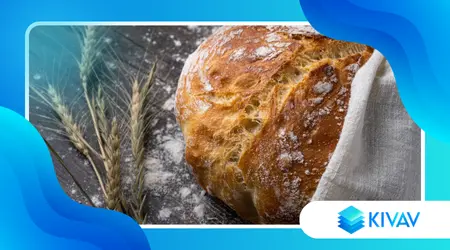
The Bread with spelt flour and acacia honey It represents the perfect combination of ancestral bread-making and the contemporary pursuit of well-being and nutritional balance at the table.
Announcements
In this article, we'll explore the technical characteristics of these prized ingredients, offering a comprehensive guide to making a fragrant loaf with an enveloping aroma and impeccable texture.
Summary
- Why choose spelt and acacia honey?
- Nutritional properties of spelt.
- The role of acacia honey in fermentation.
- Detailed recipe and technical procedure.
- Tips for optimal storage.
Why is spelt flour and acacia honey bread so popular?
The rediscovery of ancient grains has brought spelt back to the center of the modern Mediterranean diet, thanks to its high digestibility and low overall glycemic index.
This cereal, the ancestor of soft wheat, offers a less tenacious protein structure, making the crumb soft and imparting a hazelnut flavor that lingers pleasantly on the palate.
The addition of honey is not just an aromatic whim, but a precise technical choice to enhance the Maillard reaction and nourish the yeasts during fermentation.
Announcements
Use the Bread with spelt flour and acacia honey It means bringing to the table a product that respects nature's rhythms, guaranteeing an authentic and rustic sensory experience.
What are the nutritional benefits of spelt and honey?
Spelt is rich in insoluble fiber that promotes intestinal transit, as well as containing B vitamins and essential minerals such as magnesium and potassium.
Acacia honey, on the other hand, stands out for its high fructose content, which retains moisture inside the bread, prolonging its freshness for several days without additives.
This combination creates a complete amino acid profile and a gradual-release energy supply, ideal for those looking for a nutritious breakfast or a healthy accompaniment to main meals.
By consulting the guidelines of the CREA – Council for Agricultural Research, it clearly emerges how the integration of less refined cereals contributes significantly to daily metabolic health.
| Component (per 100g) | Wholemeal Spelt | Soft Wheat Type 00 |
| Proteins | 14.5 g | 10.3 g |
| Fibers | 10.7 g | 2.4 g |
| Potassium | 388 mg | 126 mg |
| Glycemic Index | Low (45) | High (85) |

How is the preparation?
Homemade preparation requires patience and precision, especially when managing hydration, as spelt flour absorbs liquids differently than strong flours.
Start by mixing 500g of spelt flour with 350ml of room temperature water, letting the dough rest for about thirty minutes to start the natural autolysis process.
Then add 10g of salt, 7g of fresh brewer's yeast (or 150g of sourdough starter) and two generous tablespoons of organic acacia honey, kneading with extreme care.
Find out more: the Piedmontese specialty that combines bread and doughrt
Work the mixture until it reaches a smooth consistency, then proceed with a series of reinforcement folds every forty minutes to correctly structure the gluten mesh.
Let the dough rise in a floured basket until doubled in volume, preferably in a place protected from cold drafts.
Preheat the oven to 220°C, placing a small bowl of water on the bottom to create the steam needed to obtain a crispy crust and a well-aired crumb.
Bake for about 45 minutes, lowering the temperature to 200°C halfway through cooking, and let the loaf cool on a rack to allow any residual moisture to escape.
Why is acacia honey the best ally for baking?
Acacia honey has unique hygroscopic properties, acting as a natural preservative that prevents bread from drying out quickly, keeping its texture soft and pleasantly elastic.
Unlike granulated sugar, honey provides enzymes that interact positively with the amylases in flour, accelerating the breakdown of starches into simple sugars for yeast.
The delicate aroma of acacia doesn't overpower the flavor of the grain, but rather enhances its toasted notes, creating a balanced flavor that pairs well with both sweet and savory dishes.
Opting for it allows you to avoid the use of chemical improvers, focusing exclusively on the quality of the raw materials and pure artisan technique.
What pairings enhance this rustic and genuine bread?
This bread is wonderfully served with aged cheeses, where the honeyed flavor contrasts with the saltiness of the cheese, or simply toasted with a drizzle of extra virgin olive oil.
For a gourmet version, try pairing it with traditional Italian cured meats or a fig compote, creating an appetizer that will amaze your guests with its sophistication.
Interesting: Ligurian-style stuffed onions with bread, olives, and marjoram
The versatility of the Bread with spelt flour and acacia honey It also makes it suitable for healthy snacks for children, replacing industrial products with a nutrient-rich food.

Investing in your health
Choosing to bake consciously means investing in your health without sacrificing the pleasures of the palate, rediscovering ancient practices that bring balance and satisfaction to everyday cooking.
The Bread with spelt flour and acacia honey It is not just a food, but a symbol of a gastronomy that looks to the future while deeply respecting its historical roots.
To learn more about natural bread-making techniques and discover other varieties of ancient grains, you can consult the official resources of the Slow Food Foundation for Biodiversity.
Frequently Asked Questions
Can I substitute einkorn wheat for spelt?
Yes, but einkorn wheat has an even weaker gluten, so it requires less hydration and shorter rising times to avoid the structure collapsing.
Does honey make bread too sweet?
Absolutely not; the amount used is almost entirely consumed by the yeasts during fermentation, leaving only a subtle aroma and improving the browning of the outer crust.
How can I store bread for a week?
We recommend wrapping the Bread with spelt flour and acacia honey in a clean linen cloth or paper bag, absolutely avoiding storing it in the refrigerator.
Can I use dry yeast instead of fresh yeast?
Of course, remembering that the ratio is generally 1:3; therefore, for every 7g of fresh yeast, you will use about 2.5g of active dry yeast, mixing it directly into the flour.
What is the ideal temperature for leavening?
The optimal temperature ranges between 24°C and 26°C, allowing the yeasts to work constantly without producing excessive acidity, thus ensuring a balanced flavour and superior digestibility.
