
Matera PGI Bread: crispy crust and long shelf life
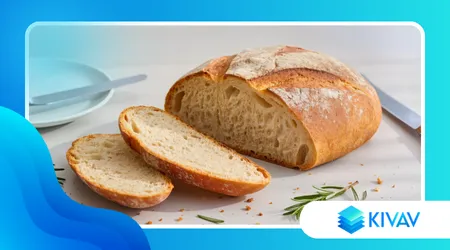
The Matera PGI Bread It represents the excellence of Lucanian breadmaking, a gastronomic symbol that encompasses millennia of history, peasant culture, and biodiversity of the Murgia area.
Announcements
In this article, we'll explore the unique characteristics of this product, from the choice of ancient grains to the natural leavening technique, offering a comprehensive guide to recognizing and enjoying it.
Article summary
- What defines the authenticity of Matera bread.
- The crucial role of natural sourdough starter.
- Nutritional table and production specifications.
- The traditional recipe for a professional result.
- Storage and consumption tips.
What is Pane di Matera PGI and why is it unique?
The Matera PGI Bread It is a baked product obtained exclusively from the use of durum wheat semolina, typical of the province of Matera, in Basilicata.
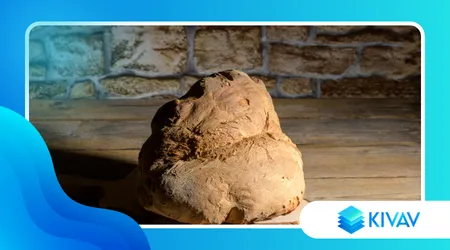
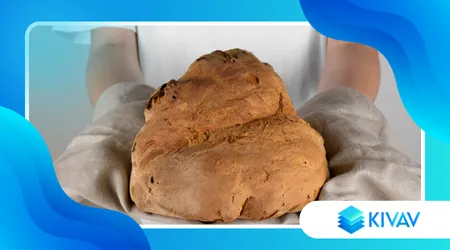
Its croissant or tall loaf shape recalls the rugged landscape of the Sassi, reflecting a visual identity that makes it immediately distinguishable from other regional typologies.
Its uniqueness comes from the use of ancient wheat varieties such as Senatore Cappelli, grown locally, which gives the crumb its typical straw yellow color and intense aroma.
Announcements
Thanks to the PGI (Protected Geographical Indication) recognition, every stage of production is monitored to guarantee consumers a food free from chemical additives or modern preservatives.
What are the characteristics of the crust and the crumb?
One of the peculiarities of the Matera PGI Bread it is its brown and crunchy crust, which must have a minimum thickness of at least 3 millimetres to comply with the regulations.
This natural barrier protects internal moisture, allowing the bread to remain soft and fragrant for over seven days, a fundamental feature of the household economy of the past.
Inside, the crumb has a fine and uniform alveolation, a sign of a slow and controlled fermentation that makes the product extremely digestible and light on the stomach.
The aroma is complex, with notes of wood and hazelnut, resulting both from the quality of the grain and from the cooking, which preferably takes place in wood-fired or indirect ovens.
How is traditional sourdough prepared?
The true soul of the Matera PGI Bread lies in its sourdough starter, prepared following an ancestral method that involves the use of fresh local fruit in fermentation.
Matera bakers often use grapes or figs soaked in water, creating a sugary base that activates the wild yeasts naturally present in the air and in the grain.
This natural “starter” is then refreshed daily with new semolina and pure water, keeping alive a bacterial strain that gives the bread an inimitable aromatic acidity.
To learn more about the certification protocols and quality controls, you can consult the official website of Ministry of Agriculture, Food Sovereignty and Forestry, guarantor of Italian DOP and IGP products.
Technical Data and Nutritional Values
| Characteristic | PGI Disciplinary Requirement | Nutritional Value (per 100g) |
| Maximum humidity | 33% | Calories |
| Crust Thickness | Minimum 3 mm | Carbohydrates |
| Ingredients | Durum wheat semolina, water, salt, yeast | Proteins |
| Grain used | Minimum 20% local varieties (e.g. Cappelli) | Fibers |
Why does Matera PGI Bread last so long?
The extraordinary shelf life of the Matera PGI Bread It is due to the combination of the natural acidity of the sourdough starter and the high density of the Lucanian durum wheat semolina.
These elements limit starch retrogradation, the chemical process responsible for staling, keeping the cellular structure of the crumb elastic and hydrated for many consecutive days.
Find out more: Cetara Anchovy Colatura
In ancient times, families cooked large pieces of pasta weighing up to 5 kilos because they knew that the product would maintain its organoleptic properties throughout the working week.
Today, this feature is highly appreciated by modern consumers who seek sustainable products, drastically reducing food waste thanks to a higher-than-average natural shelf life.
Recipe: How to make PGI Matera bread at home
Although the PGI certification is reserved for local bakeries, it is possible to replicate the technique to obtain an excellent result at home by following the steps of Lucanian tradition.
Ingredients
- 1 kg of re-milled durum wheat semolina (preferably from Basilicata).
- 200 g of active and refreshed sourdough starter.
- 700 ml of water at room temperature.
- 20 g of whole sea salt.
Procedure
Start by dissolving the sourdough starter in the water, gradually adding the semolina until you obtain a rough but smooth dough, avoiding heating the mixture excessively while working it.
Add the salt towards the end and work vigorously for about 15 minutes, until the mixture is smooth, elastic, and easily comes away from your hands.
Let it rise in a covered container for about 4 or 5 hours, making reinforcement folds every hour to improve the gluten structure and the internal alveolation.
Interesting: Piedmontese-style gratinated cardoons with light bagna cauda
Create the typical “croissant” shape by making three deep cuts on the surface, a symbol of the Holy Trinity and useful for encouraging the dough to expand during cooking.
Preheat the oven to 250°C, bake and immediately reduce the temperature to 220°C, baking for about 50 minutes until the crust is dark, firm and hollow to the touch.
What are the best food pairings?
The Matera PGI Bread It enhances the flavors of the Mediterranean diet, finding its ideal companion in Vulture Extra Virgin Olive Oil, with its fruity and slightly spicy taste.
It's perfect for making "Ciallèdd," a simple recipe from Matera that uses stale bread seasoned with cherry tomatoes, oregano, red onion, and hot water or vegetable broth.
It masterfully accompanies mature cheeses such as Pecorino di Filiano or typical cured meats, thanks to its ability to cleanse the palate with its slightly acidic note.
Furthermore, its resistance makes it ideal for bruschetta, as the thick crust does not soften too quickly when in contact with the moist tomato sauce.
Conclusion
Choose the Matera PGI Bread It means bringing a piece of Italian history to the table, supporting an agricultural supply chain that protects the territory and centuries-old artisanal traditions.
Its incredible shelf life and superior nutritional profile make it a modern food, capable of meeting the needs of those seeking quality, health, and authentic flavor.
Whether purchased fresh from the Sassi bakeries or carefully prepared in your own kitchen, this bread remains an unsurpassed example of how simplicity can become culinary art.
For more information on Basilicata's excellences and regional variations, you can visit the portal Slow Food Foundation for biodiversity and grain protection.
FAQ – Frequently Asked Questions
Where can I buy the original Pane di Matera PGI?
The certified product is available in authorized bakeries in the province of Matera, recognizable by the European PGI seal and the Protection Consortium logo on the packaging.
Can I freeze Matera PGI Bread?
Yes, it can be frozen in slices, although its natural tendency to keep for a long time allows it to be kept fresh outside the freezer for several days in a paper bag.
Why are three cuts made on the top?
The three cuts have a religious origin linked to peasant devotion, representing the Trinity, but technically serve to direct the development of the bread during the strong push in the oven.
What is the difference between semolina and 00 flour?
Semolina comes from durum wheat and has a grainy, yellow consistency, ideal for Lucanian bread, while 00 flour comes from soft wheat and is more powdery.
Is Matera PGI Bread suitable for celiacs?
No, since it's made with durum wheat, it contains gluten and is not suitable for celiacs, although the long leavening process makes it easier to digest for those with mild sensitivities.
++ Discover the best breads in Italy with us
