
Bostrengo from the Marche region: a peasant dessert with stale bread and dried fruit.
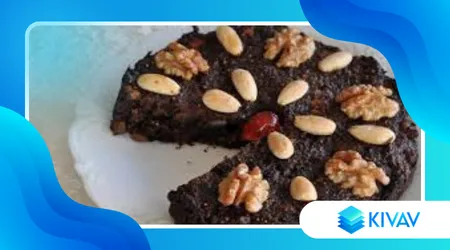
The Bostrengo Marche It represents the essence of Italian peasant cuisine, an ancestral recipe that transforms simple ingredients into a robust, energetic dessert deeply rooted in rural tradition.
Announcements
This rustic dessert, typical of the Christmas season in the Marche region, celebrates the reuse of stale bread, enriched with dried fruit, cooked wine, and intense aromas, creating an authentic and enveloping flavor.
Summary
- What is Bostrengo Marchigiano?
- The authentic recipe step by step
- History and origins
- Local variations and modern customizations
- Where to eat dessert
- FAQ
What is Bostrengo Marchigiano?
The Bostrengo Marche It is a traditional dessert typical of the Marche region, characterized by a dense consistency and an intense flavor, obtained from the creative recycling of stale bread.
This humble preparation, often called the peasants' "Christmas cake," skillfully combines ingredients easily found in the countryside, creating a unique combination of crunchy and soft textures inside.
Unlike modern leavened cakes, its structure is based on the resting of the ingredients, allowing the bread to absorb liquids and release starches during slow cooking.
Announcements
There is no single, codified recipe for the Bostrengo Marche, since each family has its own version, passed down orally from generation to generation, adapting it to seasonal resources.
Today, this dessert represents a cornerstone of the Marche region's food and wine scene, attracting gourmets eager to discover authentic flavors far removed from large-scale industrial production.
The authentic recipe step by step
To make a Bostrengo Marche True to tradition, the quality of the ingredients is fundamental, especially the cooked wine and dried fruit, which must be fresh and tasty.
Here is the technical recipe, calibrated for a rectangular pan measuring approximately 20x30 cm, to obtain a dense, moist result with a lingering flavour.
Score more: Emilian Spongata: The Spiced Dessert of Ancient Celebrations
Necessary Ingredients
- Stale bread (Tuscan or Marche type): 500g
- Whole milk fresh: 500ml
- Cooked wine Marche: 200ml
- Egg fresh chicken: 3 large
- Corn flour foil: 150g
- Soft wheat flour type 00: 100g
- Sugar granulated sugar: 100g (or multiflower honey)
- Dried fruit mixed (walnuts, almonds, dried figs, raisins): 300g total
- Bitter cocoa powder: 30g
- Orange zest grated: 1 whole
- Cinnamon powder: 1 teaspoon
- Extra virgin olive oil: as needed for the pan
++ Crispy and light Carnival chiacchiere: tips for making them perfect
Procedure
- Cut the bread into cubes and place it in a large bowl, covering it with the warm milk and cooked wine; let it rest for at least two hours, until completely soft.
- Meanwhile, roughly chop the dried fruit and soak the raisins in warm water or liqueur for 15 minutes, then squeeze them well before adding them to the mixture.
- Mash the soaked bread with a fork until it becomes mush, then add the eggs, sugar, flour, cocoa, cinnamon, orange zest, and prepared dried fruit.
- Mix all the ingredients vigorously until you obtain a smooth but thick mixture; if it's too dry, add a little more milk or cooked wine to loosen it.
- Generously grease a baking pan with extra virgin olive oil and pour in the mixture, leveling it with the back of a wet spoon to obtain a uniform and compact surface.
- Cook in a preheated static oven at 180°C for about 60 minutes, checking the cooking with a toothpick which should come out slightly moist, but not wet.
History and origins of the rural dessert
The origins of the Bostrengo Marche They are lost over the centuries, deeply rooted in the sharecropping culture of the Marche, where nothing was wasted and the cuisine had to be caloric to sustain the work.
Historically, this dessert was prepared during winter holidays, when resources were limited and the need to celebrate required the use of preservable ingredients such as dried fruit.
Some historical interpretations link the dessert to the pagan tradition linked to the winter solstice, interpreting its ingredients as symbols of prosperity, abundance, and a connection to the earth.
The recipe evolved slowly, integrating ingredients from local trade such as cocoa, which gave the Bostrengo Marche its characteristic dark color and enveloping flavor.
Today, institutions such as the’Italian Academy of Cuisine They document these recipes to preserve the intangible heritage of the Marche region from oblivion, highlighting the connection between food, territory, and social history.
Local variations and modern customizations
Although the basic recipe is well established, the Bostrengo Marche presents significant geographical variations within the region.
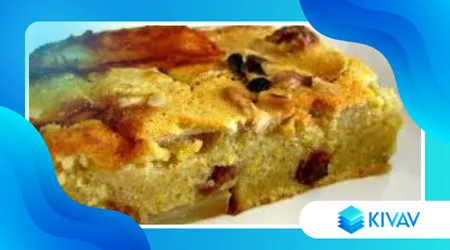
In the Pesaro area, for example, it is common to add diced apples or pears, which lend a fresh and slightly acidic note, balancing the intense sweetness of the cooked wine and figs.
On the contrary, in the Macerata area, the most popular version tends to be richer in dried fruit and cocoa, resulting almost similar to a rustic brownie.
Interesting: Fried polenta with Alpine cheese cream: a warm Italian winter appetizer.
Today, many chefs from the Marche region offer modern reinterpretations, serving the dessert warm with a sapa reduction or accompanying it with zabaglione made with local passito wine.
Where to eat authentic Bostrengo from the Marche region
Finding the truth Bostrengo Marche It requires targeted research, as its home preparation is much more common than its presence on the menus of modern starred restaurants.
The best places to enjoy it are the small family-run trattorias in the Marche hinterland, especially in the provinces of Pesaro-Urbino and Macerata, where the tradition is still alive.
Furthermore, during the autumn festivals and Christmas markets in the Marche region, it is possible to find artisanal versions prepared according to ancient local recipes, often accompanied by a glass of passito wine.
It's essential to be wary of industrial versions, which are often too sweet or lack the aromatic complexity provided by real cooked wine and quality dried fruit, which are essential to the final result.
To learn more about the traditional sweets of the Marche region and their historical origins, consult the detailed documentation on Marche Tourism, the official regional resource.
FAQ: Frequently asked questions about Bostrengo in the Marche region
How long does Bostrengo keep?
Thanks to the absence of fresh dairy products and the high concentration of natural sugars, the Bostrengo Marche It can be stored in a cool, dry place for over two weeks, maintaining its flavour intact.
Is this a recipe suitable for celiacs?
The traditional recipe calls for wheat bread and soft wheat flour, making it unsuitable for celiacs; however, modern variations exist that use gluten-free flours.
What is the difference between Bostrengo and Panettone?
Bostrengo is a dense, moist, yeast-free cake, unlike panettone, which is a soft, airy leavened cake, typical of the Milanese tradition but now widespread throughout Italy.
Can I substitute cooked wine?
Cooked wine is essential for the authentic flavor; if you can't find it, you can try substituting it with a mix of dry Marsala and a little dark brown sugar.
++ Typical dessert from Montefeltro
++ the ancient dessert of the Emilian and Marche tradition
