
Spaghetti alla San Gennaro: the traditional first course of popular cuisine.
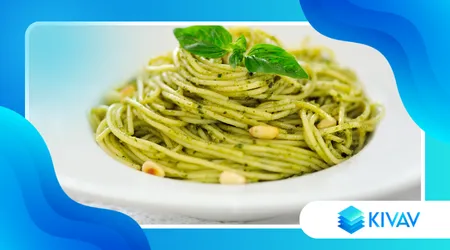
The Spaghetti with San Gennaro Sauce They are not a simple recipe, but a fragment of edible devotion that resists time in the heart of Naples.
Announcements
Preparing them means crossing the threshold between daily nourishment and a ritual that celebrates blood, earth, and the typically Neapolitan ability to create abundance from nothing.
This dish embodies an ancient wisdom: the cuisine of recovery. In an era like ours, where waste has become a systemic anomaly, rediscovering the dignity of toasted breadcrumbs is not just a gastronomic act, but a cultural statement.
Summary
- The ritual soul of the dish between faith and the table.
- The hierarchy of ingredients: choosing excellence.
- The authentic recipe: technique and steps.
- Secrets for a millimetric consistency.
- Analysis of social and nutritional value.
- FAQ
What defines the identity of Spaghetti alla San Gennaro?
Identifying this dish as “pasta with anchovies” would be a gross error, almost an insult to the historical complexity it carries with it.
The Spaghetti with San Gennaro Sauce They were created as a tribute to the patron saint, traditionally consumed on September 19th, the day when the city holds its breath awaiting the miracle.
Announcements
There is something almost magical about the way the saltiness of the sea meets the fragrance of bread.
This dish is often misinterpreted as a makeshift solution, but the reality is the opposite: it's a balancing act where the absence of tomato exposes the quality of the wheat and the freshness of the aromas.
The beauty of this preparation lies in its democratic nature.
Historically, the people could not afford fine cuts of meat to celebrate the Saint, so they ennobled the poor ingredients through roasting and the skillful use of spices, creating a masterpiece of tactile and gustatory contrasts.
What ingredients elevate the dish from mediocrity?
To avoid cliché, the choice of raw materials must be uncompromising. Just any pasta won't do; you need the roughness of the Gragnano bronze die, capable of clinging to that oily, fragrant layer that characterizes the sauce.
Anchovies are the backbone of the flavor. Forget processed products in oil: the true character emerges from the Cetara fillets, carefully cleaned and left to melt slowly.
Their function is not to remain whole, but to transform into a savory essence that pervades every fiber of the pasta.
Bread deserves a separate discussion. Using packaged breadcrumbs would deprive the dish of its meaning.
It requires the crumb of a rustic bread, perhaps from the day before, roughly crumbled by hand. It's this irregularity that creates a dance of different textures in the mouth.
++ South Tyrolean bread dumplings with melted butter and chives
Garlic and oregano aren't just supporting actors. Garlic must infuse the oil without burning, while oregano, preferably dried and still attached to the sprig, must release its essential oils only at the last moment, preventing excessive heat from making it bitter.
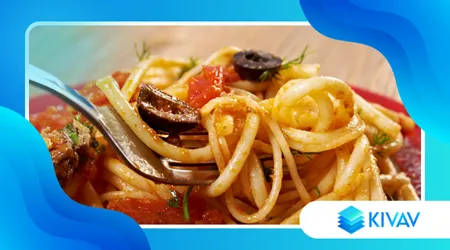
The Recipe: How to Make Spaghetti San Gennaro
Respecting timing is the real secret. This isn't about rushing, but about paying attention to detail. Follow these steps to achieve a result that honors Neapolitan tradition.
Find out more: Sweet and savory Carnic Cjarsons: the Friulian first course with a thousand variations
Ingredients for 4 people:
- 400g of Gragnano PGI spaghetti
- 8 salted anchovy fillets (desalted)
- 120g of stale breadcrumbs (cafone type)
- 2 cloves of Ufita garlic
- Extra virgin olive oil to taste.
- Fresh parsley and dried oregano
- A pinch of chili pepper (optional)
Procedure:
- The Panure: In a small pan, heat a drizzle of oil and toast the crumbled bread with a pinch of oregano. It should be golden and crispy, not burnt. Set aside.
- The Fund: In a large skillet, pour generously with EVOO, the crushed garlic, and the chili pepper. Once the garlic is golden, add the anchovies.
- Alchemy: Turn off the heat or reduce it to low. Mash the anchovies with a fork until they're completely dissolved in the oil.
- The Cooking: Drop the spaghetti into lightly salted water (the anchovies will give it the necessary lift). Drain two minutes before the indicated cooking time is up.
- The Leap: Transfer the pasta to the pan with the anchovies, adding a ladle of the cooking water. Stir vigorously to create an emulsion.
- The Closing: Add the chopped parsley and half of the crispy breadcrumbs. Give it a final stir and serve.
- The Final Touch: Sprinkle each plate with the remaining golden breadcrumbs to preserve the crunchy contrast.
++ Gluten-free bread with rice flour and easy natural yeast
Why is toasted bread the soul of the dish?
In Neapolitan culture, breadcrumbs fried in oil were nicknamed "the poor man's cheese." This substitution was not only economical, but a brilliant culinary intuition that added a sensory dimension that melted cheese cannot offer: crunchiness.
The Spaghetti with San Gennaro Sauce They play on this very element. If the pasta is silky and the sauce is savory, the toasted bread acts as a rhythmic counterpoint.
This is what makes the dish “ritual,” transforming a quick dinner into a meditative experience about the city’s history.
For those curious about the biodiversity of Campania and the certified products that make these dishes unique, the website of Campania Region Agriculture offers an excellent overview of protected local products and their historical roots.
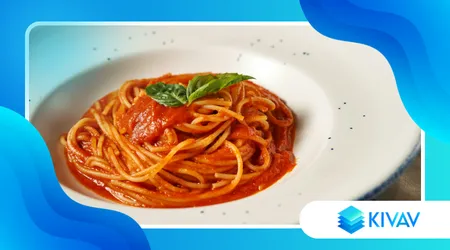
Nutritional analysis and modern sustainability
Approaching this dish in 2026 also means evaluating its impact. Anchovies are oily fish with a short life cycle, making them one of the most sustainable animal proteins on the market, as well as being rich in heart-healthy polyunsaturated fats.
The absence of dairy products makes this recipe naturally suitable for those with intolerances, without ever giving the impression of a “deprivation” meal.
It's the perfect example of how the Mediterranean diet can be satisfying, affordable, and incredibly healthy all at the same time.
Making this pasta requires little time but a lot of soul. It's not about filling yourself up, but about participating in a narrative that for centuries has linked the alleys of Naples to the festive table.
Simplicity, when supported by excellent ingredients, needs no artifice to amaze.
Cooking the Spaghetti with San Gennaro Sauce it is an act of respect towards a tradition that does not want to be turned into a museum, but lived daily.
Every forkful is a tribute to the human capacity to find beauty, and flavor, in the small things of the land and the sea.
To learn more about tasting techniques and the protection of original recipes, the’ Italian Academy of Cuisine It represents the most authoritative point of reference for anyone who wants to distinguish true folklore from tourist imitations.
FAQ
Can I use whole wheat spaghetti?
It can be done, but white semolina pasta remains the best choice for enhancing the delicate yet lingering flavor of anchovies and toasted bread.
Should the anchovy disappear completely?
Yes, ideally, the anchovy shouldn't be seen, but rather felt. It should melt into the hot oil, creating a smooth sauce that envelops the spaghetti like a glove.
Is oregano mandatory?
It's the element that differentiates this dish from a regular pasta aglio e olio with anchovies. Without its herbaceous aroma, a fundamental part of San Gennaro's aromatic signature is lost.
Why use little cooking water?
Starchy cooking water is essential for creating the "creamy" sauce. Using less of it than usual to boil the pasta will make the starch more concentrated and the emulsion more stable.
Can you add parmesan cheese?
Tradition strictly forbids it. The cheese would mask the iodine nuances of the anchovies and would overly soften the crumb, negating the interplay of textures.
++ Spaghetti alla Gennaro is a first course
++ Spaghetti alla Gennaro, patron saint of Naples
