
Sautéed chicory: the Roman side dish with garlic and chili pepper
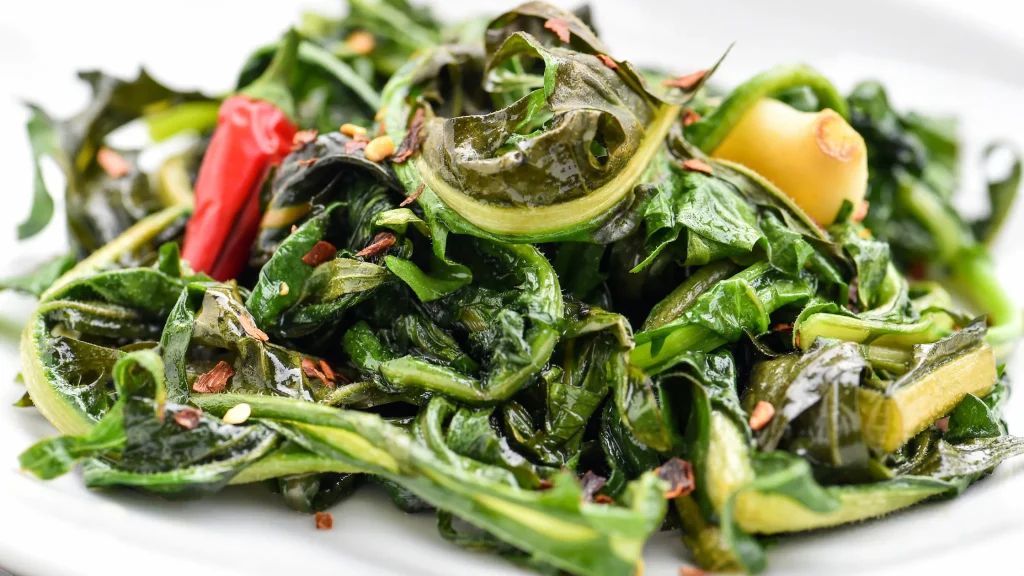
There sautéed chicory It is the traditional Roman side dish made with garlic, oil, and chili pepper that represents the essence of home-made and authentic Roman cuisine.
Announcements
This dish showcases a bitter yet beneficial vegetable through a simple yet historically rich cooking process, enhancing every second of meat or cheese.
In this article, you'll discover preparation techniques, the secrets to balancing bitterness, and a detailed nutritional table:
- The cultural origin and nutritional value of chicory.
- The step-by-step guide to cleaning, boiling, and sautéing vegetables.
- Roman chefs' secrets for eliminating excess bitterness.
- Answers to frequently asked questions about storage and pairings.
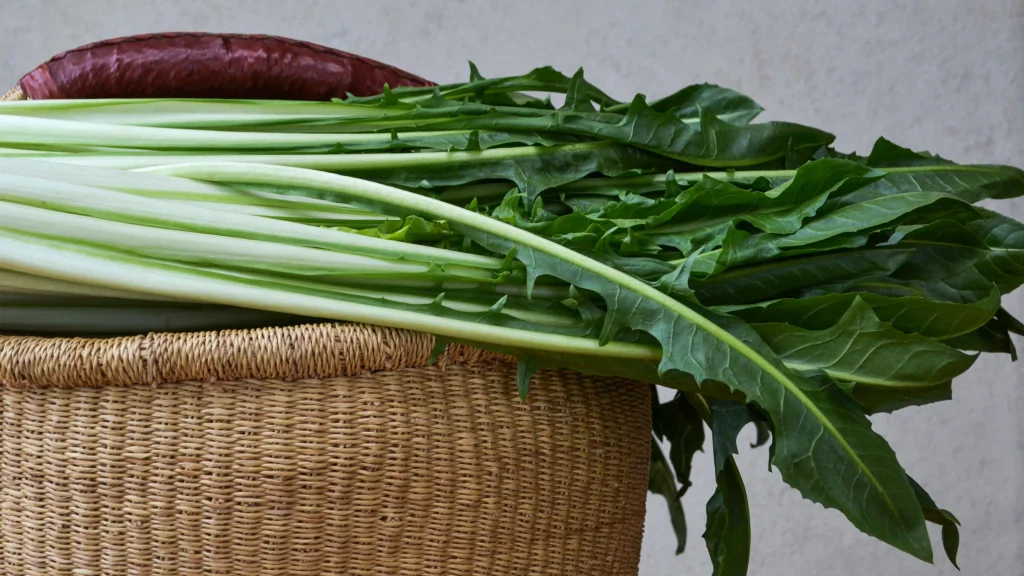
What is sautéed chicory and its Roman tradition?
There sautéed chicory Pan-fried cooking is a tradition in Lazio's peasant culture, where wild herbs were used to create nutritious, affordable dishes with intense flavor.
The variety traditionally used is the Cichorium intybus, known for its marked digestive and purifying properties.
Announcements
The secret to the success of this recipe lies in the double cooking, which combines boiling and light frying.
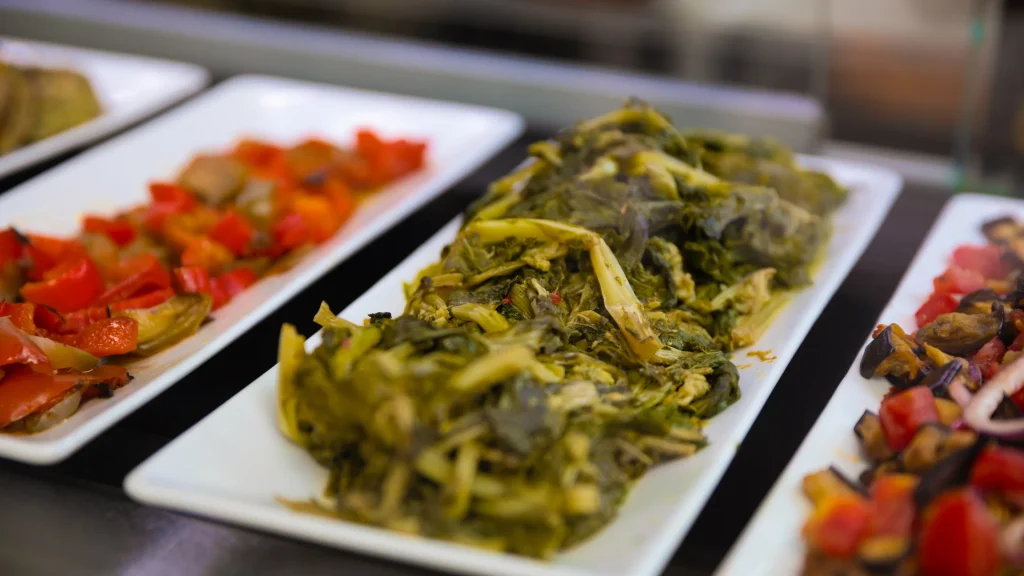
Traditional Roman restaurants serve this side dish alongside rich dishes like oxtail stew, grilled sausages, or roast lamb. Its bitter note perfectly cleanses the palate.
Essential ingredients for the true Roman recipe
To prepare a perfect sautéed chicory, The quality and freshness of the basic ingredients make a substantial difference to the final outcome of the dish. Always choose local and seasonal ingredients.
- 1 kg of fresh, narrow-leaved wild chicory.
- 2 cloves of fresh Italian garlic.
- 1 fresh or dried chili pepper.
- 4 tablespoons of Sabina extra virgin olive oil.
- Add salt to taste.
How to make perfectly sautéed chicory
Start by thoroughly cleaning the vegetables under cold running water to remove any remaining soil.
Cut off the final part of the head, separating the larger leaves to facilitate the subsequent boiling phase.
Boil the vegetables in plenty of salted water for about 10-15 minutes. The cooking time should leave the stem tender but still slightly al dente, avoiding damaging the plant's structure.
Drain the vegetables and squeeze them with your hands or a large fork to remove all the excess water.
This step is essential to obtain crispy and tasty fried food when stir-frying.
In a large cast iron or nonstick skillet, heat the extra virgin olive oil with the crushed garlic cloves and chopped chili pepper. Sauté over low heat until the garlic turns golden.
Add the well-drained vegetables to the hot pan.
Sauté over high heat for 8-10 minutes, stirring constantly with a wooden fork to evenly distribute the sauce's flavors.
Nutritional properties and benefits of chicory
Chicory contains a high amount of inulin, a soluble fiber useful for the health of intestinal bacterial flora and for controlling blood glucose levels.
According to the nutritional tables of the CREA Food and Nutrition Research Center, Chicory provides a very small amount of calories, while guaranteeing an excellent supply of mineral salts such as potassium, iron and calcium.
| Nutritional Component | Value per 100g (Boiled) | Value per 100g (Reheated) |
| Calories | 23 kcal | 85 kcal |
| Proteins | 1.4 g | 1.5 g |
| Fats | 0.2 g | 6.5 g |
| Carbohydrates | 3.0 g | 3.2 g |
| Dietary Fiber | 3.6 g | 3.6 g |
| Potassium | 240 mg | 245 mg |
Secrets to reduce the bitter taste
If you prefer a milder flavor, you can soak the raw leaves in cold water and ice for two hours before cooking. This process extracts some of the water-soluble bitter compounds.
Another trick is to add a pinch of baking soda to the boiling water.
Bicarbonate fixes the bright green color of chlorophyll and attenuates the bitter note typical of the wild plant.
++ Scapece-Seared Zucchini: A Neapolitan Side Dish to Rediscover
Finally, the generous use of extra virgin olive oil and the final creaming with Pecorino Romano DOP help balance the bitter taste on the palate without completely covering it.
Regional variations and recommended pairings
While the classic Roman version doesn't include cheese or tomato, there are popular variations that include the addition of anchovies in oil dissolved in the initial soffritto for a unique savory touch.
In some areas of Lazio, fresh cherry tomatoes are added at the end of cooking.
This combination creates a very pleasant acidic contrast that tempers the power of the chili pepper and garlic.
Find out more: Roman-style baked potatoes with rosemary and garlic
This side dish pairs beautifully with toasted homemade Lariano bread. You can also use the sautéed vegetables as a filling for fried pizzas, baked calzones, or stuffed focaccias.
The value of traditional cuisine at the table
There sautéed chicory It represents an irreplaceable pillar of traditional cuisine, capable of combining simplicity and nutritional excellence.
Preparing this dish according to Roman tradition ensures a perfect balance between the bitter taste of the vegetables and the bold aroma of the seasonings.
++ Cold pasta with peaches, mozzarella and crispy ham
Regularly incorporating this side dish into your daily menu allows you to rediscover the authentic flavors of the Lazio region, enriching your table with a timeless classic that fully satisfies the most demanding and health-conscious palates.
Conclusion
Serve the sautéed chicory It means bringing the history and authentic character of Roman gastronomy to the table.
With just a few simple but high-quality ingredients, you'll get a side dish packed with health benefits, perfect for your winter dinners.
If you want to learn more about the guidelines for a balanced diet rich in vegetables, consult the documentation of the Ministry of Health, to discover the official nutritional recommendations.
Frequently Asked Questions
Can I use frozen chicory for this recipe?
Yes, you can use frozen vegetables. Boil them directly in salted water and squeeze them well before sautéing them in a pan with oil, garlic, and chili pepper.
How long does sautéed chicory keep in the refrigerator?
The sautéed vegetables can be stored in an airtight container in the refrigerator for up to 2 or 3 days. Reheat them in a pan before serving.
Why does chicory become tough after cooking?
This happens when the vegetables are too old or haven't been drained and squeezed properly. Make sure to cook the stems until tender.
++ Chicory: the bitter taste Romans love (and how to cook it properly)
++ Sautéed chicory Roman style
