
Deconstructed Italian appetizers between tradition and modern cuisine
The deconstructed Italian appetizers They are redefining the boundaries of our traditional cuisine, transforming gastronomic icons into entirely new sensory experiences.
Announcements
This trend, now consolidated in contemporary haute cuisine menus, does not deny the past, but celebrates its essence through a bold interplay of textures, temperatures, and geometric shapes.
Breaking down a historic dish ultimately means stripping it of its usual guise to demonstrate that its authentic flavor remains intact, imprinted in the cultural memory of our palate.
Article summary
- What is meant by deconstruction in the kitchen?
- The science and technology behind the modern plate
- 3 Quick and Easy Recipes to Try at Home
- The advantages of this gastronomic evolution
- Frequently Asked Questions (FAQ) about deconstructed kitchens
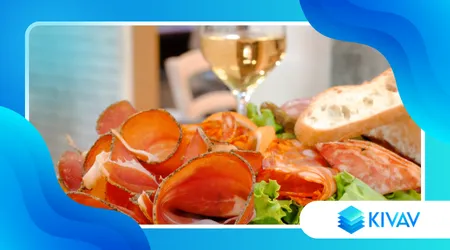
What's behind the breakdown of a dish?
Contemporary cuisine defines this approach as breaking down the classic elements of a recipe to recreate them with completely new consistencies, temperatures, and forms.
The original taste remains recognizable, but the visual and tactile impact changes completely.
Announcements
This technique does not alter the soul of tradition, but enhances the individual ingredients through the use of airy consistencies, gellings, or unexpected thermal contrasts.
There is a subtle intellectual pleasure in recognizing a familiar flavor within an alien form.
The main goal is to surprise the palate, offering a sensory experience that stimulates taste memory through a completely revolutionary and avant-garde visual presentation.
The trend, consolidated in high-end kitchens, aims to enhance local raw materials, transforming a homemade appetizer into a complex and layered work of gastronomic art.
How to reinterpret tradition without losing one's identity?
The secret to perfect balance lies in preserving the original aromatic profile that defines our peninsula's historic recipe. If you remove the shape, the essence must be impeccable; otherwise, the castle collapses.
Chefs study the chemical composition of ingredients to modify their physical structure, rigorously preserving the original organoleptic quality of each individual selected element.
A famous example is the Caprese salad, where the tomato becomes a dense emulsion, the mozzarella a light foam, and the basil a pearl of molecular caviar. A summer classic that transforms into a play on textures.
Breaking down the ingredients requires a deep understanding of traditional culinary foundations, as technical errors can compromise the overall harmony of the final dish served.
To learn more about the advanced techniques and history of molecular cuisine, the academic foundation Red Shrimp offers detailed analyses of the evolution of contemporary Italian catering.
3 Quick and Easy Recipes to Make at Home: Deconstructed Italian Appetizers
You don't need a chemistry lab to experiment with this approach. Here are three iconic, immediate, and visually striking interpretations.
1. Caprese salad by the glass with basil foam
Take some confit tomatoes and blend them until you obtain a smooth cream to place on the bottom of a cocktail glass.
++ Crispy and light Italian side dishes with innovative cooking methods
Cut the buffalo mozzarella into very small cubes and arrange it on top. Create a light emulsion by immersing in fresh basil leaves, extra virgin olive oil, and an ice cube (to preserve the bright green color).
Complete the glass with this smooth sauce and a crispy parmesan wafer.
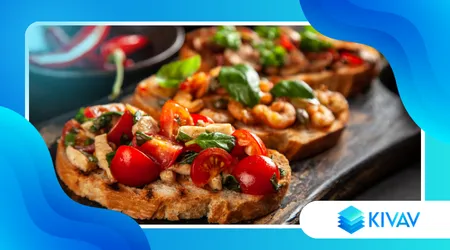
2. Liquid bruschetta with golden croutons
Blanch some coppery tomatoes, peel them, and blend them with a clove of garlic (without the core), salt, and a drizzle of oil.
Strain everything through a fine-mesh sieve to obtain a clear, thick tomato water, to be served cold in small cups.
Interesting: Gourmet Italian Side Dishes with Cabbage as the Star 2026
Serve with diced homemade bread toasted in a pan with oil and aromatic herbs, to dip immediately.
3. Warm Fake Veal with Tuna Sauce
Instead of the classic slice of meat covered in sauce, quickly sear some cubes of veal fillet, leaving them pink at the center.
Prepare a light tuna and caper mayonnaise, put it in a piping bag and create little buttons on the plate.
++ Italian cooking techniques for effective weekly meal prep
Place the warm meat cubes on top of the sauce buttons and decorate with crispy fried capers and dried caper powder.
Why is this trend taking over the restaurant industry?
Today's consumers seek an experience that goes beyond simple nourishment, craving intellectual and visual stimulation during a convivial moment at a restaurant. We eat first with our eyes, then with our minds.
Restaurateurs leverage these techniques to demonstrate their technical prowess, elevating the perceived value of the food on their menu.
This evolution also allows us to reduce the caloric intake of some traditional dishes, making the start of the meal more digestible and suited to modern rhythms.
Comparison table: Tradition vs. Deconstruction
The following table shows the structural differences between classic preparations and their modern versions.
| Traditional Dish | Key Element | Classic Consistency | Modern Evolution | Technique Used |
| Caprese | Buffalo Mozzarella | Solid and juicy | Air or light foam | Siphon or emulsion |
| Bruschetta | Tomato | In cubes | Clear gelatin or water | Clarification |
| Veal with tuna sauce | Tuna sauce | Creamy and thick | Powder or light mayonnaise | Maltodextrin / Siphon |
| Eggplant Parmigiana | Eggplant | Fried and layered | Crispy wafer or cream | Drying / Blending |
Which ingredients lend themselves best to transformation? Deconstructed Italian appetizers
Products with a high moisture content or rich in natural fats perform well when subjected to changes in physical state.
Fresh cheeses lend themselves beautifully to the creation of stable emulsions, while pigment-rich vegetables retain vivid colors even after the liquids have clarified.
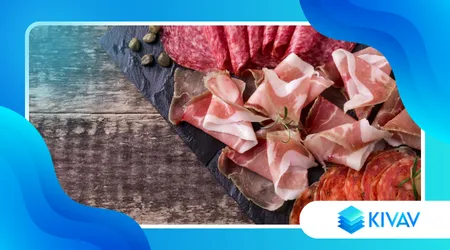
Traditional cured meats can be transformed into crunchy powders or combined into clear jellies, creating a sharp contrast between their saltiness and ethereal texture.
The important thing is to select excellent raw materials, since the breakdown amplifies every single aromatic nuance, including any structural defects of the ingredient.
Reflections on the future of cooking
Dismantling a dish does not mean disrespecting the past, but celebrating its conceptual strength.
When the elements of a centuries-old recipe can communicate with each other even when separated on the plate, it means that the bond is cultural before it is chemical.
Experimenting with these textures enriches every enthusiast's knowledge, keeping the evolution of Italian cuisine alive around the world.
To discover further institutional details on the protection of the typical products used in these recipes, visit the official website of the Ministry of Agriculture, Food Security and Forestry.
Frequently Asked Questions
What does it mean to deconstruct a dish in the kitchen?
It means separating the ingredients of a classic recipe to serve them with different consistencies and shapes, while maintaining the original flavor of the preparation intact.
Is molecular cuisine necessary for these preparations?
No, although many techniques derive from that field, it is possible to reinterpret a dish using home methods such as blending, oven drying, or creative layering in glasses.
Do dishes lose their original nutritional values?
No, if techniques such as low-temperature cooking or cold emulsion are performed correctly, the nutrients and organoleptic properties are optimally preserved.
What is the main advantage of a modern menu?
It allows you to differentiate your gastronomic offering, demonstrate the kitchen's high technical expertise, and offer customers a memorable, light-hearted, and interactive experience.
++ Tasty appetizers: the Italian art of creativity at the table
++ Typical Italian appetizers, region by region
