
Sweet and Sour Sicilian Caponata: The Perfect Balance of Sweetness and Acidity
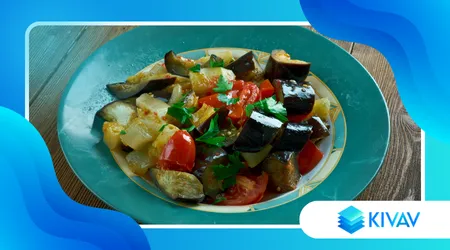
Define the sweet and sour Sicilian caponata Simply describing it as a vegetable side dish is reductive, as it is a complex organoleptic symphony where the aubergine takes on an almost velvety consistency.
Announcements
The term derives from “capone”, the dialect name for the dolphin fish, once served with this sauce on aristocratic tables and later replaced by aubergines in popular canteens.
This dish is distinguished by the rigorous frying of the vegetables, which must be browned separately to maintain their structural identity before being added to the sugary seasoning.
The modern 2025 version emphasizes locally sourced ingredients, emphasizing how the quality of extra virgin olive oil determines the dish's final success and digestibility.
Why is sweet and sour the secret to success?
The beating heart of the sweet and sour Sicilian caponata lies in the precise chemical balance between acetic acid and sugar, an ancient preservation technique that has become a gastronomic mainstay.
Announcements
The acidity serves to cut through the fattiness of the fried food, while the sweet component enhances the natural flavor of the summer vegetables, creating a deep and persistent sensory experience on the palate.
Today, top chefs use high-quality white wine vinegars or apple cider vinegar to achieve a less aggressive and more fragrant acidic note than in the past.
You can learn more about the chemistry of Mediterranean flavours by consulting the scientific publications of the Umberto Veronesi Foundation, which often analyzes the benefits of the Mediterranean diet and typical vegetables.
What are the authentic ingredients in this recipe? Sweet and Sour Sicilian Caponata
To prepare a sweet and sour Sicilian caponata If you're serious about tradition, you can't ignore the "silk" or "black" variety of aubergine, which has firm flesh and few seeds.
Find out more: Piedmontese-style stuffed peppers: a colorful and fragrant side dish with bread and herbs.
Alongside the star of the dish, we find crispy celery, pickled green olives (preferably Nocellara del Belice variety), Salina capers, and a fresh tomato sauce.
| Ingredient | Gastronomic Function | Technical Characteristics |
| Eggplant | Structural basis | Frying in EVO oil at 180°C |
| Capers | Savoury and mineral note | Desalted carefully |
| Celery | Texture contrast | Blanched and then fried |
| Vinegar and Sugar | Sweet and sour emulsion | 1:1 ratio for balance |
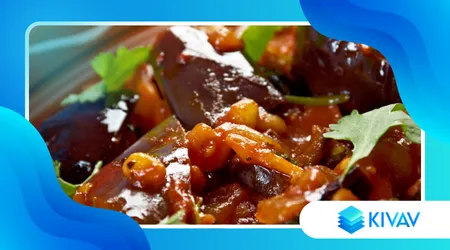
How to make the perfect sweet and sour Sicilian caponata?
The preparation of the sweet and sour Sicilian caponata It requires patience and time, starting by cutting the aubergines evenly into cubes of about two centimetres per side.
After letting them drain with salt, the aubergines are fried until golden and drained on absorbent paper to eliminate any excess unpleasant grease.
In a separate pan, sauté the onion and celery, then add the pitted olives, capers and pine nuts, creating a rich and complex aromatic base.
Interesting: Green bean salad with parmesan shavings and lemon
Finally, add the tomato puree and let it reduce before incorporating the aubergines and pouring in the vinegar and sugar mixture for the final stage.
This final cooking time must be brief, allowing the flavors to meld without the aubergines losing their shape or becoming excessively soft and unappetizing.
What are the most famous variations in Sicily?
Each Sicilian province claims its own version of the sweet and sour Sicilian caponata, introducing small changes that reflect the biodiversity and specific traditions of each territory on the island.
In Palermo, it's common to add a dusting of dark chocolate or cocoa at the end, a legacy of Spanish rule that adds depth and dark color.
The Catania version often includes peppers and potatoes, making the dish more similar to ratatouille but still maintaining the distinctive character provided by the sweet and sour sauce.
In the province of Agrigento, ingredients such as artichokes are favored during the spring season, demonstrating how the recipe adapts cyclically to the availability of local produce.
When to serve this iconic appetizer? Sweet and Sour Sicilian Caponata
There sweet and sour Sicilian caponata It should never be consumed hot, as excessive heat masks the acidic nuances and prevents the aromas from stabilizing properly over time.
The ideal time to serve it is after at least twelve hours of rest at room temperature, allowing each eggplant cube to absorb the essence of the sweet and sour sauce.
It is wonderful as a rustic appetizer accompanied by toasted homemade bread or as a side dish for blue fish dishes, creating an exceptional contrast with the seafood flavors.
In contemporary summer dinners in 2025, it is often offered in small single-serving glasses for gourmet aperitifs, maintaining its popular soul intact in an elegant context.

Sweet and Sour Sicilian Caponata
There sweet and sour Sicilian caponata It remains one of the undisputed symbols of Italian culinary mastery, capable of resisting gastronomic trends thanks to its incredible complexity and versatility.
Preparing it means paying homage to a land rich in history, where every ingredient tells of a meeting of different cultures and a passionately handed down artisanal wisdom.
We encourage readers to try this recipe, always looking for certified, seasonal products to ensure a result that is not only tasty but also ethical and healthy.
For further information on the certifications of typical Sicilian products, you can consult the official portal of Ministry of Agriculture, a point of reference for the protection of Made in Italy.
Frequently Asked Questions
Can I make caponata without frying the aubergines?
While you can bake eggplant for a lighter version, the original recipe calls for frying to achieve the right texture and authentic flavor.
How long does it keep in the refrigerator?
There sweet and sour Sicilian caponata It keeps perfectly for 4-5 days in an airtight glass container, significantly improving its aromatic profile after the second day.
Can you freeze ready-made caponata?
Freezing is not recommended because the cellular structure of fried aubergines tends to degrade, making the dish excessively watery and losing the crunchiness of the celery.
Which sugar is best to use?
White granulated sugar is the standard, but using whole cane sugar can add interesting honeyed notes without overpowering the necessary acidity of the final dish.
Can I use balsamic vinegar?
Balsamic vinegar would alter the color and traditional flavor too much; using a good white wine vinegar is highly recommended to maintain the color's brightness.
++ an Explosion of Sicilian Flavors
