
Piedmontese-style gratinated cardoons with light bagna cauda
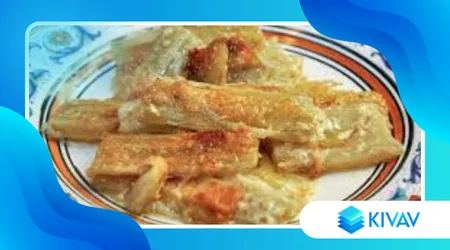
Prepare the Piedmontese-style gratin cardoons with a light bagna cauda it represents an act of love towards the plant biodiversity of Northern Italy and its culinary traditions.
Announcements
In this guide, we'll explore how to transform a seemingly difficult winter vegetable into a gourmet side dish, balancing bold flavors and modern cooking techniques for impeccable results.
Article summary
- The origins of the Cardo Gobbo of Nizza Monferrato.
- Why light bagna cauda is the healthy choice.
- Detailed recipe: ingredients and technical steps.
- Tips for a perfect, crispy gratin.
- Nutritional information and seasonality of the product.
- FAQs about cardoons and their preparation.
What is the origin of Piedmontese-style gratin cardoons?
The history of this dish has its roots in the Asti countryside, where the “Cardo Gobbo” is grown using a unique burial technique.
This process makes the ribs white, tender and free from the natural bitterness that characterizes common wild varieties.
Traditionally, this vegetable is eaten raw during the bagna cauda ritual, but the baked version was created to enhance the umami flavor of the anchovies.
Announcements
The gastronomic evolution of 2026 today focuses on lightness, replacing part of the animal fats with high-quality vegetable emulsions.
Choose the Piedmontese-style gratin cardoons It means bringing a piece of Italian rural history to the table, reinterpreted with a contemporary sensibility that is attentive to well-being and digestibility.
How to prepare a light and digestible bagna cauda?
The secret to a modern sauce lies in the treatment of the garlic, which must be removed from its core and boiled several times in milk or water and vinegar.
This process eliminates the heavy components, maintaining the aroma but making the dish suitable for any social occasion.
The anchovies, preferably from the Cantabrian Sea or Sciacca, must melt slowly in extra virgin olive oil at a very low temperature, absolutely avoiding the smoking point.
Adding a small amount of creamed cauliflower can help give body without weighing down the palate.
Find out more: Ligurian-style stuffed onions with bread, olives, and marjoram
Integrate this sauce into the Piedmontese-style gratin cardoons It allows you to create a link between the crunchiness of the vegetables and the saltiness of the sea, typical of the historical trade exchanges between Piedmont and Liguria.
Why is Cardo Gobbo considered a winter superfood?
In addition to its taste, this vegetable boasts exceptional purifying properties, thanks to the presence of cynarin, a substance that promotes liver function and aids the digestion of fats.
Consuming it regularly during the cold months actively supports the immune system and basal metabolism.
The nutritional profile of the Piedmontese-style gratin cardoons It is enriched with prebiotic fibers that nourish the intestinal microbiota, making it an excellent dish for those following controlled diets.
Baking preserves most of the mineral salts, especially potassium and calcium, which are essential for bone health.
You can learn more about the agronomic characteristics and certifications of this product by consulting the official website of the Slow Food Foundation, which protects native varieties at risk.
Recipe: Piedmontese-style gratin cardoons with light bagna cauda
Ingredients (for 4 people)
- 1 kg of Nizza Monferrato Gobbo Cardoon.
- 8 top-quality desalted anchovy fillets.
- 2 cloves of garlic, with the germ removed.
- 50 g of Parmigiano Reggiano DOP aged 30 months.
- 30 g of chopped Tonda Gentile del Piemonte hazelnuts.
- Extra virgin olive oil to taste, lemon and a pinch of flour.
++ Sweet and Sour Sicilian Caponata
Technical procedure
- Clean the cardoons by removing the outer filaments and cut them into pieces of about 10 centimetres, immediately immersing them in water acidulated with lemon.
- Boil the ribs in salted water with a spoonful of flour for about 40 minutes, until tender but still firm.
- Prepare the light bagna cauda by heating the garlic in the milk, then crushing it and adding it to the oil and anchovies until the anchovies have completely dissolved.
- Arrange the cardoons in a previously oiled baking dish, spread the light sauce evenly and sprinkle with Parmigiano Reggiano and chopped hazelnuts.
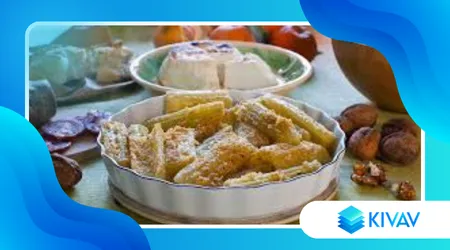
- Bake the Piedmontese-style gratin cardoons at 200°C for approximately 15 minutes, activating the grill function in the last 3 minutes to obtain a golden crust.
Nutritional analysis and seasonality
| Component | Value per 100g (Finished Dish) | Technical Notes |
| Calories | 145 kcal | Version with light bagna cauda |
| Fibers | 4.2 g | Excellent for intestinal motility |
| Proteins | 6.5 g | Contributed by cheese and anchovies |
| Fats | 9.8 g | Mainly monounsaturated (EVO) |
| Seasonality | October – February | Peak quality after the first frosts |
What are the tricks for error-free gratin?
To obtain a crispy surface without drying out the inside, it is essential to use a fatty component that conveys the heat, such as the bagna cauda oil itself.
The addition of Piedmont hazelnuts is not only a tribute to the region, but also serves to provide a distinctive texture.
Interesting: Anolini in Parmigiana Broth
Avoid using too much commercial breadcrumbs, which tend to absorb moisture and make the dish rubbery; instead, opt for a coarse powder made from stale whole wheat or rye bread.
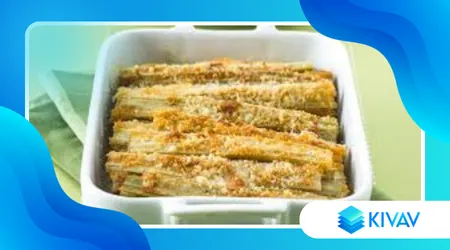
THE Piedmontese-style gratin cardoons they must maintain a balance between the softness of the vegetable fibre and the “sprint” of the toasted top.
Also make sure the cardoons are well drained before placing them in the pan, as excess boiling water will compromise the consistency of the sauce and the final gratin.
When to serve this refined side dish?
This dish is a wonderful accompaniment to braised red meats or roast veal, but can also serve as a substantial appetizer in a tasting menu.
Its aromatic complexity requires a characterful wine pairing, such as a Barbera d'Asti or a young Nebbiolo.
Presenting the Piedmontese-style gratin cardoons During the Christmas holidays or winter dinners, it guarantees sure success, combining the elegance of careful preparation with the warmth of home cooking.
The light version allows guests to enjoy the intense flavor of tradition without the heavy sensation typical of 19th-century recipes.
Conclusion
THE Piedmontese-style gratin cardoons They represent the essence of intelligent regional cuisine: transforming a humble ingredient into a rich and layered sensory experience thanks to technique and the quality of the raw materials.
Preparing this recipe in 2026 means respecting the earth's cycles by promoting local products with an eye on health.
Experiment with a light bagna cauda to find your perfect balance of garlic and anchovies, remembering that patience in cleaning the cardoon is the first step to a stellar result.
For further information on the local food culture, visit the portal Piedmont Region Agriculture, where you will find technical data sheets on all certified products.
Frequently Asked Questions
How can I remove the bitter taste from cardoons?
The secret is boiling them in water acidulated with lemon and adding a spoonful of flour, which creates a sort of protective film, keeping the ribs white and sweet.
Can I prepare cardoons in advance?
Absolutely yes. You can boil them the day before and proceed to gratinate them. Piedmontese-style gratin cardoons just before serving, so as to maintain the ideal crunchiness.
What can I use instead of anchovies?
If you want a vegetarian version, you can replace the bagna cauda with a pecorino and walnut cream, although the traditional connection with the typical Piedmontese flavor will be lost.
How long do they keep in the refrigerator?
Baked cardoons keep perfectly for 2 days in an airtight container. Reheating them in a convection oven is recommended to restore the crust's texture.
Is it necessary to peel cardoons?
Yes, it is essential to remove the external fibrous filaments with a potato peeler or a small knife, exactly as you do with celery, to avoid them becoming woody on the palate.
++ A Gastronomic Treasure to Rediscover
++ Recipes, flavors, and typical products of Piedmontese cuisine.
