
Sous Vide Cooking: How to Enhance Asparagus and April Vegetables”
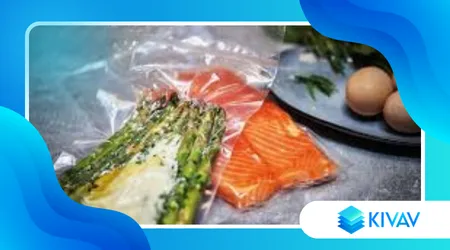
There sous vide cooking It represents the definitive evolution for those who want to transform fresh April asparagus into a gourmet masterpiece with an impeccable consistency and intense flavor.
Announcements
The heart of the technique
- The essence of precision cooking in April.
- Why the sous vide wins over vegetables.
- Practical guide to preparation.
- Time and temperature table.
- Recipe: Asparagus, soft egg and truffle.
- FAQ for professional results.
What is the sous vide technique and why is it revolutionizing early produce?
Many chefs consider this methodology to be the secret to preserving cellular integrity, preventing essential nutrients from dispersing into the water or evaporating.
There is something almost magical in seeing how a vegetable can maintain its original structure while becoming as tender as butter.
In April, the earth offers fragile produce. Wild asparagus and early greens require controlled heat; just one minute too long in the pot can transform a noble ingredient into a stringy mush. Precision is not a whim, but a necessity.
This technique uses a thermostatic bath that keeps the temperature constant at a tenth of a degree. Forget about brittle tips or woody stems.
Announcements
The sealed bag protects the vegetable from oxidation, acting like a second skin that enhances its natural pigments and crunchiness.
Investing in this technology today means embracing conscious cooking. Waste is reduced and organoleptic quality is improved, respecting nature's cycle without stressing foods with unnecessary thermal shock.
How does heat work to keep colors vibrant?
The physical process is based on the removal of air, which eliminates thermal insulation and allows for uniform heat transfer.
We often underestimate how much air can interfere with cooking, creating cold spots that compromise the final result.
Vegetables contain pectin, a substance that acts as a glue between cells. This usually begins to degrade around the 83°C.
Cooking at lower temperatures than traditional ones 100°C By boiling, we can pasteurize the food while keeping its structure and that inviting acid green color intact.
Vegetables treated this way are not subjected to the stress of boiling fat or extreme dilution. The flavor profile remains incredibly close to that of raw produce, but with a refined texture.
To learn more about the biochemistry of plants, you can consult the analyses of CREA – Council for Agricultural Research, the Italian point of reference for food safety.
Nutritional benefits: more flavor, less salt
Science confirms that heat-sensitive vitamins, such as vitamin C and folate, degrade rapidly when exposed to excessive heat.
It's a paradox of classical cuisine: the more we cook to make food digestible, the more we empty food of its nutritional soul.
By keeping the ingredient isolated, the mineral salts remain concentrated in the pulp. You'll notice that the need to add salt is dramatically reduced.
The natural flavor emerges with a purity that is often misinterpreted as a “lack of seasoning,” when in reality it is simply the truth of taste.
The absence of oxygen also prevents the formation of unwanted compounds, making the dish lighter.
++ Induction cooking techniques for perfect Italian recipes
It's an approach that favors those seeking well-being without giving up the aesthetic pleasure of a vibrant and juicy side dish.
Technical guide: preparing April asparagus
Start by selecting asparagus of uniform size. Remove the woody bottom part and lightly peel the stem if necessary.
Cleaning is half the battle; if the fiber is tough to begin with, gentle heat won't work wonders on the outer skin.
Place the vegetables in the bag in a single layer. Avoid overlapping: heat must circulate freely around each individual spear.
Add a drizzle of extra virgin olive oil, a lemon zest, or a sprig of thyme to subtly flavor the contents.
Seal carefully. If using an external vacuum cleaner, make sure there are no air bubbles around the delicate tips.
Find out more: How to reinterpret regional Italian recipes for a more sustainable cuisine
Immerse the bag only when the water has reached the desired temperature to ensure maximum chronometric precision.
Benchmarks for perfection
Precision is the soul of sous vide cooking. Following tested parameters avoids soft or, conversely, overly resistant textures. Here are the optimal values for April's protagonists.
| Vegetable | Temperature (°C) | Time (Minutes) | Final texture |
| Green Asparagus | 84°C | 12 – 15 | Crispy and juicy |
| New Carrots | 85°C | 25 – 30 | Fondants |
| Spring onions | 83°C | 20 | Sweet and silky |
| Snow peas | 84°C | 15 | Vivid color |
| Radishes | 82°C | 10 | Soft but firm |
The Recipe: Sous-vide Asparagus and Egg at 64°C
To really showcase this technique, try a classic pairing revisited with modern precision.
Ingredients:
- 8 large green asparagus spears.
- 2 very fresh eggs.
- Clarified butter, Maldon salt, black pepper.
- Flakes of Parmigiano Reggiano aged 24 months.
Procedure:
Cook the asparagus in 84°C for 14 minutes with a pinch of salt and a drop of oil in the bag. At the same time, cook the eggs (still in their shells) at 64°C for 45 minutes.
This temperature turns the yolk into a thick cream and the egg white into a delicate jelly.
Once ready, quickly sauté the asparagus in a hot pan with clarified butter for just 30 seconds.
++ Typical Italian products from authentic villages between tradition and taste
Arrange them on a plate, crack the egg over them, and top with Parmesan and pepper. The contrast between the crunchiness of the vegetables and the creaminess of the egg is why it's worth cooking this way.
Regeneration and finishing: the final touch
If you're not serving immediately, place the bags in ice water. This thermal shock sets the color and stops the cooking process.
When needed, a few minutes in hot water or a quick sauté in the pan will bring the dish back to serving temperature.
The final pan-searing isn't a mistake, but a finishing touch. The Maillard reaction adds a toasted note that balances the sweetness of the low-temperature cooked vegetable. It's the meeting of technology and the tradition of open fire.
Aesthetics are as important as taste. Use simple garnishes: ground black olives or crispy prosciutto powder. The visual cleanliness of the dish should reflect the clean flavors achieved through the technology.
Beyond Technique: A Final Reflection
Mastering these tools means respecting the raw materials. It's not a shortcut, but a way to listen to what the ingredients have to offer.
April's asparagus is a fleeting gift; treating it with due care is an act of respect for the land and its hosts.
This cuisine is no longer a secret for a select few. It's a choice for anyone seeking consistent results and pure flavor.
Once you try the texture of a carrot or asparagus cooked this way, you'll hardly go back to the old pot of boiling water.
For further information on safety regulations and pasteurisation times, please visit the website’EFSA – European Food Safety Authority, the institution that guarantees food transparency in Europe.
FAQ
Can you use freezer bags?
Absolutely not. Ordinary bags can release toxic substances when heated. Use only heat-certified, BPA-free polymers.
Why are my asparagus floating?
Vegetables contain air in their fibers. Use weights or ensure a maximum vacuum. If the bag floats, it will cook unevenly.
Is the butter in the bag necessary?
It helps with heat conduction and releases fat-soluble flavors, but don't overdo it. Vegetables should cook in their own juices, not fry in fat.
Can I cook different types of vegetables together?
Only if they have similar cooking temperatures. Placing carrots and asparagus in the same water bath requires staggered timing to avoid overcooking the more tender ones.
How long do they last in the fridge?
If pasteurized and sealed, they easily last a week. It's the perfect method for meal prep Sunday, ensuring restaurant-quality dishes in just five minutes during the working week.
++ Vegetables: The Secrets of Sous Vide Cooking
++ Sous vide cooking: its strength lies in its slowness
