
Pappardelle with wild boar: the symbol of rustic Tuscan cuisine.
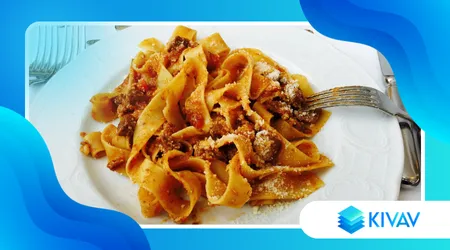
The Pappardelle with wild boar They're not just a dish; they represent a culinary narrative.
Announcements
This first course It embodies the Tuscan rural tradition, a bridge between wild nature and the home hearth.
Its history is steeped in hunting, hard work, and peasant wisdom, an ode to the art of transforming game.
We are talking about an icon that transcends the ephemeral trends of modern gastronomy.
Its robustness and intense flavour make it unmistakable, a true manifesto.
Announcements
Anyone who's had the pleasure of tasting it in a hidden trattoria knows it well. It's a complete sensory experience, rich in nuances.
What is the true essence of Tuscan wild boar ragù? Pappardelle with wild boar
The true essence of this ragù lies in the prolonged marinating of the meat. This is a crucial step that eliminates any overly “gamey” flavor.
Spices such as bay leaves, juniper and cloves play a key role.
It's not a simple ragù; it is a symphony of flavors that requires patience and respect.
Slow cooking is an act of love towards the raw material. This process allows the meat to become tender, almost melting on the palate.
The secret lies in the balance between the strength of the wild boar and the acidity of the red wine.
A Chianti Classico or a Brunello di Montalcino are the preferred choices for blending everything together. In Tuscany, the sauce is often prepared in generous quantities.
Why is pappardelle the ideal pasta shape?
Pappardelle, with their generous width, are not a random choice.
They're the perfect canvas for a thick, rich ragù. Their rough surface captures every bit of meat and sauce.
The pairing is an example of functional harmony in Italian cuisine.
The two ingredients enhance each other, creating a perfect combination. The pasta's large surface area completely envelops the meat, ensuring a rich bite.
This format is traditionally handmade, with a sturdy egg pastry.
The pasta must withstand the power of the ragù, maintaining its consistency. It's not uncommon to find variations with the addition of chestnut flour, a typical Tuscan dish.
What are the regional differences in preparation?
Although the dish is a symbol of Tuscany, each area interprets it in its own way.
In the Maremma, ragù is often darker and more intense, with a greater use of local aromatic herbs. In Siena, a more gentle cooking style is preferred.
What remains constant, however, is the quality of the meat and the slowness of the process. In some areas, such as the Florence area, the recipe may call for a slightly sweeter note.
Find out more: Spaghetti alla busara
This is sometimes achieved by adding a pinch of nutmeg.
Another original example concerns the use of vegetables in the soffritto.
There are those who add dried porcini mushrooms to give a umami more earthy. The base of celery, carrot, and onion, however, remains a constant.
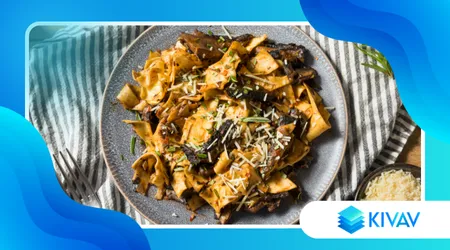
A look at wild boar Pappardelle with wild boar
The wild boar population in Italy is growing rapidly, with recent estimates exceeding 2 million heads.
This 2024 data, which emerged from studies conducted by ISPRA (Higher Institute for Environmental Protection and Research), highlights the importance.
The increase has significant impacts on agriculture and the ecosystem. However, it ensures a constant supply of wild meat.
Learn more: Lemon Tagliolini from the Amalfi Coast
Population management is a crucial issue, often debated between hunters and farmers.
Wild boar hunting is strictly regulated to ensure its sustainability and food safety.
The meat used for the Pappardelle with wild boar comes from wild animals.
Think of wild boar ragù as a vintage red wine.
Like wine, it takes time to refine its complex flavors and achieve perfection. Rushing is out of the question.
How to prepare the authentications Pappardelle with wild boar: A Rustic Recipe
Here is a version of the recipe that respects the most genuine Tuscan tradition.
++ Sicilian cassatelle with sweet ricotta
This preparation takes about 4 hours, but the result is worth every minute. Patience is the secret ingredient.
Ingredients (for 4 people)
| Ingredient | Amount | Additional Notes |
| Wild boar pulp (diced) | 600 g | Boneless |
| Fresh egg pappardelle | 400 g | Wide format |
| Red wine (Chianti or Montepulciano) | 500 ml | For marinating and cooking |
| Onion, Carrot, Celery (chopped) | 150 g | Classic sauté |
| Tomato puree | 300 g | Pure and concentrated |
| Extra virgin olive oil | to taste | Tuscan, if possible |
| Marinating spices | Laurel, Juniper, Cloves | A balanced mix |
| Salt and black pepper | to taste | To be dosed carefully |
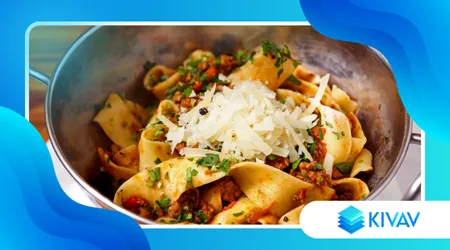
Procedure
- Marinade: Marinate the meat with the wine, spices, and chopped herbs for at least 12 hours in the refrigerator.
- Sautéed: Drain the meat (reserving the marinade) and pat it dry. In a saucepan, brown the chopped meat in extra virgin olive oil.
- Browning: Add the meat and sear it over high heat until golden brown. This step is vital for sealing in the flavors.
- Shade: Pour in the filtered marinade. Let the alcohol evaporate completely.
- Slow Cooking: Add the tomato puree, salt, and pepper. Cook over very low heat for at least 3 hours. The ragù should thicken.
- Final: Cook the pappardelle, drain them al dente and mix them vigorously in the ragù Pappardelle with wild boar.
How do you pair such a hearty dish? Pappardelle with wild boar.
The pairing for the Pappardelle with wild boar requires a robust and structured wine.
The intensity of the ragù demands a partner that can hold its own without being overpowered. A young wine with overly aggressive tannins isn't the best choice.
It is recommended that a Chianti Classico Reserve or a Aged Brunello di Montalcino.
These red wines offer a balance of acidity, tannins, and tertiary aromas. Their complexity pairs perfectly with the richness of the game.
What is the cultural legacy of this iconic dish?
The legacy of the Pappardelle with wild boar lies in its unshakeable authenticity. It's not a dish that bends to trends.
It is the quintessence of poor cuisine, which transforms simple ingredients into riches.
It's a link to a past where cooking was a necessity and wisdom, not a show-off.
It reminds us of the importance of time and tradition, a value that today's hyper-fast society risks forgetting.
In the end, isn't it the simplicity of authentic things that leaves the deepest mark?
This dish teaches us a lesson: true greatness lies in honoring one's roots.
Frequently Asked Questions
Can I use pork instead of wild boar?
It's possible, but the result won't be the same. The pork is fattier and lacks the unique gamey flavor of wild boar.
Is it necessary to marinate the meat?
Absolutely. Marinating isn't just for flavor, it's essential for tenderizing the meat and mitigating its strong flavor.
What is the minimum cooking time for ragù?
To achieve the desired tenderness, the ragù should be simmered slowly for at least three hours. Rushing the cooking process will compromise the consistency and flavor.
What are the most commonly used Tuscan spices in ragù?
Bay leaves, juniper berries, cloves and black pepper are the spices that define the most classic aromatic profile.
Can I freeze wild boar ragù?
Yes, wild boar ragù is very suitable for freezing. This allows you to enjoy it in the future, preserving its qualities.
++ the recipe as they make it in Tuscany
++ Traditional cuisine at its best
