
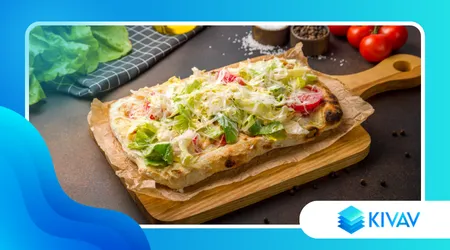
Crispy Roman pinsa with hydrated dough and mixed flours

There Crispy Roman pinsa with hydrated dough It represents the pinnacle of modern breadmaking, blending the ancient tradition of using low-fat cereals with the most advanced cold-aging techniques.
Announcements
In this technical study, we'll analyze how the synergy between wheat, rice, and soy allows for a light, honeycomb-like structure that's incredibly digestible, ideal for those seeking excellence.
Summary
- The evolution of Pinsa: between history and technical innovation.
- Flour Chemistry: Why Triple Mixing Is Essential.
- Detailed recipe: doses and step-by-step procedure.
- Temperature management and maturation in the refrigerator.
- Nutritional table and comparison with classic pizza.
- FAQ: Troubleshooting common drafting issues.
What is crispy Roman pinsa with hydrated dough?
This specialty is not a simple variation of pizza, but a product of excellence that stands out for its oval shape and high water content.
The real one Crispy Roman pinsa with hydrated dough It uses a hydration that oscillates between the 80% and the 85%, guaranteeing a cloud of lightness enclosed in a crumbly and thin shell.
The use of unrefined flours and the long fermentation process drastically reduce the presence of complex starches, making the final product suitable even for those who often feel heavy after leavened products.
Announcements
What are the secrets of the mixed flour mix?
The secret lies in the protein balance: wheat flour provides the necessary strength (W 300-350), while rice binds the water and soy gives that unmistakable toasted fragrance.
Use a Crispy Roman pinsa with hydrated dough It means enhancing the biodiversity of the cereals, obtaining a crust that “sounds” to the touch, an unmistakable sign of correct evaporation of the internal humidity.
According to the guidelines of the Veronesi Foundation, proper fermentation and the use of less refined flours are fundamental pillars of a balanced diet that does not give up on taste.
Recipe: How to Make Pinsa Romana at Home
To achieve professional results, it is necessary to strictly follow the proportions and, above all, have the patience to wait for the enzymatic maturation times necessary for the development of the aromas.
++ Soft Ligurian focaccia with olive oil and artisanal coarse salt
Ingredients for 4 250g pinsa:
- 400g of soft wheat flour type 0 (high strength)
- 75g of rice flour (for crumblyness)
- 25g of Soy Flour (for texture and color)
- 400ml of very cold water (80% hydration)
- 10g of whole sea salt
- 10g of Extra Virgin Olive Oil
- 3g of dry brewer's yeast
Technical procedure:
- In a stand mixer, combine the three flours and the dry yeast, starting to mix at low speed to properly oxygenate the powders.
- Gradually pour in very cold water from the 80%; the temperature is crucial to prevent the dough from overheating during the machine's mechanical stress.
- When the gluten mesh begins to form, add the salt and the remaining water drop by drop, making sure it is completely absorbed before adding the next drop.
- Add the extra virgin olive oil and mix until the mixture is smooth, shiny, and extremely elastic, and comes away from the sides of the bowl easily.
- Let the dough rest for 30 minutes at room temperature, performing two sets of strengthening folds 15 minutes apart.
- Transfer everything into an oiled container and place it in the refrigerator (4°C) for a minimum of 24 hours, up to 60 hours for maximum digestibility.

Why is cold-aging essential? Crispy Roman pinsa with hydrated dough.
The cold slows down the activity of the yeast but not that of the enzymes, which break down proteins and sugars making the Crispy Roman pinsa with hydrated dough a masterpiece of lightness.
During this prolonged rest, the dough develops a complex aromatic profile, with notes reminiscent of ancient bread, impossible to achieve with rapid leavening in just a few hours.
Find out more: Soft milk bread
Proper maturation also ensures that, during cooking, the Maillard reaction occurs uniformly, giving the pizza that amber color typical of the best Roman artisanal pinserias.
Table: Technical Comparison of Pinsa vs. Pizza (2026 Data)
| Characteristic | Roman Pinsa | Traditional Pizza |
| Medium Hydration | 80% – 85% | 60% – 65% |
| Maturation Time | 24 – 72 hours | 6 – 24 hours |
| Flour Mix | Wheat, Rice, Soy | Mainly Wheat |
| Added fats | Minimum (EVO Oil) | Variables |
| Digestibility | Very high (Active enzymes) | Average |
When and how to do manual drafting?
After resting in the refrigerator, form the dough into loaves and let them double in size at room temperature for about 3 hours before proceeding to the delicate rolling out phase.
There Crispy Roman pinsa with hydrated dough It doesn't tolerate a rolling pin: use only your fingertips, pushing the air towards the edges to create that airy, honeycomb internal structure.
++ Gallura soup: the Sardinian dish that bridges the gap between first and second courses.
It's essential to use plenty of re-ground semolina on the work surface; this trick prevents the dough's moisture from sticking to the surface, compromising its characteristic oval shape.
Which cooking technique guarantees the “scrocchio”?
The secret to a perfect base is heat from below: use a preheated baking stone for at least 45 minutes at the maximum temperature of your domestic oven.
Bake the base with just a drizzle of oil for the first 5-7 minutes; this pre-cooking allows the steam to escape freely, stabilizing the internal structure of the cloud.
Add the sauce only at the final stage, making sure the mozzarella is well drained to avoid releasing liquids that could soften the crust painstakingly obtained with controlled hydration.
How to choose the toppings for modern pinsa? Crispy Roman pinsa with hydrated dough
The flavor of soy and rice calls for refined pairings: try the white version with mortadella, buffalo stracciatella, and chopped pistachios, added strictly as soon as it comes out of the oven.
If you prefer tradition, a hand-crushed peeled tomato and some Pecorino Romano DOP will enhance the flavor of the dough without overpowering the aromatic complexity of the mixed flours used.
Remember that the quality of fresh ingredients is what transforms a good dinner into a memorable gastronomic experience, respecting the seasonality of the raw materials offered by Italy.
Conclusion
Master the technique of Crispy Roman pinsa with hydrated dough It requires dedication, but offers the satisfaction of serving a healthy, modern and guaranteed-successful product.
Experimenting with different percentages of flour and maturation times will allow you to find your own stylistic signature, elevating the concept of leavened products to a new gourmet dimension.
For further technical information on the certification of agri-food products, visit the official website of Ministry of Agriculture (MASAF), a point of reference for the authenticity of Made in Italy.
FAQ: Frequently Asked Questions
Why doesn't my dough bubble?
Probably the water temperature was too high or the wheat flour used did not have enough protein strength to retain the gases from the prolonged fermentation.
Can I freeze pinsa dough?
Yes, you can freeze the dough balls after they've rested in the refrigerator; then let them thaw slowly in the refrigerator for 12 hours before bringing them to room temperature to roll out.
Which oil is best to use in the dough?
Always use high-quality extra virgin olive oil; poor-quality vegetable fats can go rancid during the 48 hours of maturation, ruining the final flavor.
Is soy flour mandatory?
Although it is the ingredient that gives the typical fragrance, in case of allergies it can be replaced with hemp or lupin flour, although the final texture will be slightly different.
How to regenerate pinsa the next day?
To maintain the original crispiness, heat the pinsa in a non-stick pan with a lid for 3 minutes or in a fan oven at 200°C for a short time.
++ Recipe and seasonings to prepare it at home
++ What is Roman pinsa and how to make it at home (maybe)
