
Lemon ravioli with burrata cream and basil: a Mediterranean-flavored first course.
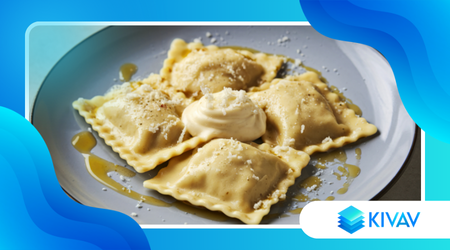
The Lemon ravioli with burrata cream and basil It represents the essence of contemporary Mediterranean cuisine, combining the freshness of citrus fruits with the creaminess typical of Puglia.
Announcements
In this article you will discover:
- The origin and evolution of lemon ravioli in modern cuisine.
- A guide to choosing ingredients: from 00 flour to DOP burrata.
- Detailed recipe and balance of flavors between acidity and fattiness.
- Professional techniques for perfectly sealing fresh homemade pasta.
- Recommended pairings are with savory white wines from Southern Italy.
- The Recipe
What exactly is Lemon Ravioli with Burrata Cream and Basil?
This dish isn't just a first course, but a sensory experience that celebrates Italian biodiversity through extremely balanced thermal and aromatic contrasts.
The heart of the dish lies in the contrast between the porous pastry and the silky filling, where the lemon acts as a natural degreaser for the richness of the burrata.
In the gastronomic context, this recipe is part of the "solar" cuisine movement, characterized by the use of raw and cooked ingredients that maintain their organoleptic identity intact.
Choose to prepare the Lemon ravioli with burrata cream and basil It means bringing to the table a piece of gastronomic history reinterpreted with haute cuisine techniques.
Announcements
How to choose the best ingredients for this recipe?
The quality of the raw ingredients determines the success of the dish, especially when working with just a few elements that must necessarily stand out for their freshness and certified origin.
For pasta, choose a type 00 soft wheat flour with a good protein content, ideal for ensuring elasticity and resistance during cooking.
The lemon must be strictly untreated, preferably a Limone di Sorrento PGI or a Sfusato Amalfitano, known for their thick, aromatic peel rich in essential oils.
As for the burrata, make sure it's very fresh; the stracciatella inside should have that freshly milked aroma typical of superior-quality artisanal products.
You can learn more about the nutritional characteristics of Italian dairy products by consulting the official website of Council for Agricultural Research and Analysis of Agricultural Economics (CREA), authority in the agri-food sector.
What's the secret to a filling that doesn't soak the pasta?
One of the most common mistakes in preparing pasta is excessive moisture in the filling, which risks breaking the pastry.
To avoid this inconvenience, it is essential to drain the burrata well from its whey and chop the firmer outer part together with the stracciatella, adding a pinch of ricotta.
Find out more: Pappardelle with wild boar
The lemon zest should be added only at the end, grating it finely without touching the bitter white pith, which would ruin the overall delicacy of the internal seasoning.
Use a piping bag to accurately measure the filling in the center of the pasta squares, thus ensuring uniformity and a hermetic seal that preserves all the flavors during boiling.
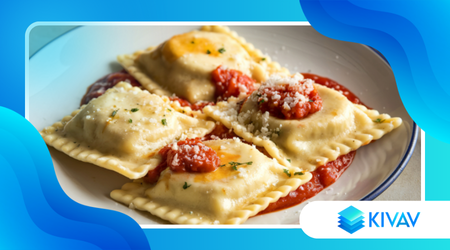
Nutritional and Technical Table (per 100g of product)
| Ingredient | Main Property | Function in the Plate |
| 00 flour / semolina | Complex carbohydrates | Structure and consistency of the pasta |
| Burrata from Andria | Fats and Proteins | Creamy and sweet fatty base |
| PGI Lemon | Citric Acid / Oils | Acid contrast and aromatic note |
| Fresh Basil | Antioxidants | Herbaceous note and visual freshness |
| EVO oil | Monounsaturated Fats | Natural binder for sauce |
Why must basil be treated with extreme delicacy?
Basil is an extremely heat-sensitive aromatic herb; if cut with steel blades or overheated, it tends to oxidize rapidly, losing its bright green color and aroma.
For your cream, I recommend briefly blanching the leaves in salted water and immediately chilling them in ice water, a technique known as “thermal shock” to fix the chlorophyll.
Interesting: Barolo risotto with Castelmagno shavings
Then blend the basil with extra virgin olive oil at low speed, obtaining a vivid emulsion that will act as a chromatic and aromatic base for your dishes. Lemon ravioli with burrata cream and basil.
This step not only enhances the aesthetics of the dish, but ensures that every bite releases an intense freshness, perfectly balancing the citrus note of the lemon and the sweetness of the milk.
How to plate ravioli for a “Gourmet” effect?
The eye wants its part and such a refined dish deserves a presentation to match, preferring soup plates or priest's hats to enhance the geometry of the ravioli.
Spread a layer of warm burrata cream on the bottom, arrange the ravioli on top, sautéed in a drizzle of clarified butter, and garnish with drops of basil oil.
++ Trentino-style apple strudel
Add a few julienned lemon zests and small Greek basil leaves for a final touch of elegance that recalls the main ingredients of your first course.
Serve the Lemon ravioli with burrata cream and basil In this way, it transforms a simple dinner into a memorable gastronomic event, capable of surprising even the most demanding palates.
Which wine should you pair with this Mediterranean first course?
The ideal pairing requires a white wine with good acidity and a marked minerality, capable of holding its own against the fattiness of the burrata and the aromaticity of the lemon.
A Fiano di Avellino or a Greco di Tufo are excellent choices, as they offer floral notes and a lingering finish that cleanses the palate between bites.
Alternatively, a Vermentino di Gallura can offer interesting saline sensations that pair divinely with the citrus aromas typical of the coast, creating a truly unforgettable territorial combination.
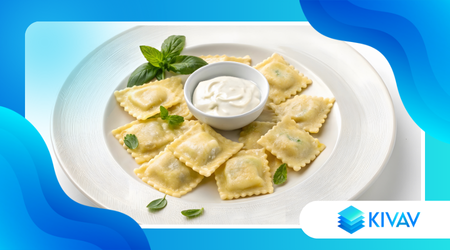
The Recipe
IngredientsFresh lasagna sheets, 250g burrata, 1 organic lemon, fresh basil, extra virgin olive oil, salt and pepper.
PreparationMix the shredded burrata with the grated lemon zest, salt, and pepper. Place small spoonfuls of this mixture on the sheet of pasta, cover with another layer of pasta, and seal the edges well before cutting the ravioli.
Quickly blend the basil with the oil and a pinch of salt until you obtain a smooth dressing. Cook the Lemon ravioli with burrata cream and basil in boiling salted water for 2 minutes, drain them and season them immediately with the basil oil and more fresh lemon zest.
Conclusion
Prepare the Lemon ravioli with burrata cream and basil It is an act of love towards the Italian culinary tradition, combining artisanal technique and creativity in a single dish.
We explored the importance of the raw material, the techniques for managing the humidity of the filling and the secrets for maintaining the colour of the basil, key elements for a professional result.
This recipe strikes the perfect balance between simplicity and sophistication, ideal for those who want to explore the potential of fresh homemade pasta made with typically summery and sunny ingredients.
Experiment with these techniques with confidence, remembering that cooking is both precision and instinct; let the scents of the Mediterranean guide you to create your perfect version of this modern classic.
For further information on the quality certifications of Italian products, visit the portal of Ministry of Agriculture, Food Sovereignty and Forestry.
Frequently Asked Questions
Can I make ravioli ahead of time and freeze them?
Yes, you can freeze ravioli by arranging them well-spaced on a floured tray before transferring them to bags, so they will retain their shape and consistency perfectly.
Which flour is best to use for fresh pasta?
A mix of 00 flour and durum wheat semolina guarantees the best compromise between softness and holding strength during cooking, ideal for holding the creamy burrata filling.
Can lemon make the dish too acidic?
The acidity is balanced by the fat in the burrata; it's important to use only the finely grated rind and avoid the juice in the filling to maintain a balanced flavor.
How can I substitute burrata if I can't find fresh one?
You can use a high-quality buffalo stracciatella or, as a last resort, a very fresh buffalo mozzarella blended with a drop of liquid cream for a creamy consistency.
Why do my ravioli open up during cooking?
This often happens because there's air inside or the edges haven't been sealed properly; be sure to press firmly around the filling to eliminate any bubbles.
++ BURRATA DUET
