
Italian soffritto: ideal proportions of onion, carrot, and celery
The real one Italian soffritto It represents the irreplaceable basis for countless traditional recipes, giving unmistakable depth and flavor to every culinary preparation of our peninsula.
Announcements
Mastering this technique requires careful attention to quantity and the selection of fresh ingredients. Let's discover together the secrets to achieving a perfect aromatic base every time.
In this technical and practical guide, we'll explore the essential details for perfecting your manual skills. Here are the main topics we'll cover in today's article:
- The golden rules for perfect vegetable proportions.
- The secrets of correct and uniform knife cutting.
- The careful selection of ideal fats for cooking.
- An analysis of common mistakes to absolutely avoid in the kitchen.
- A practical recipe for applying the method just described.
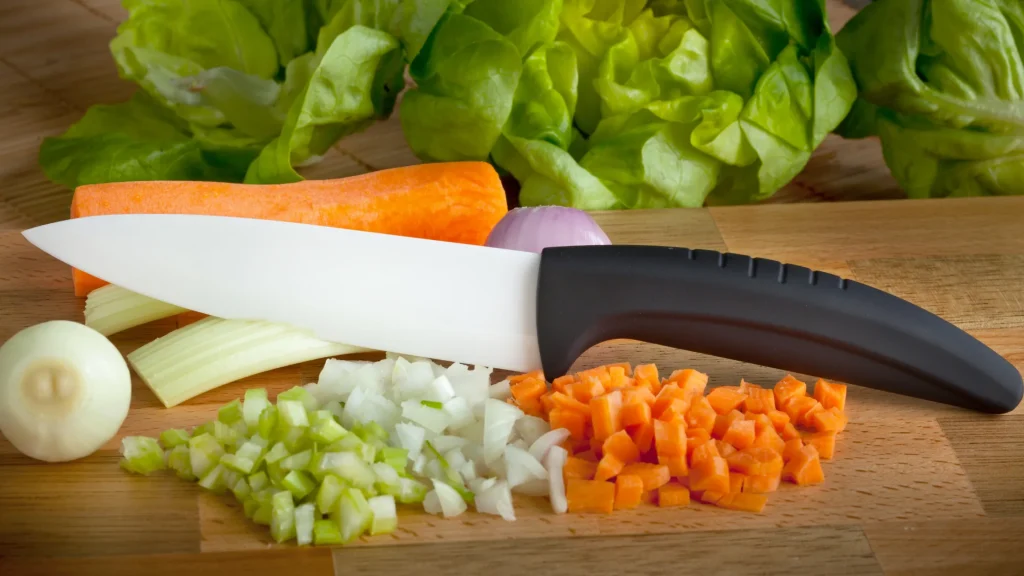
What are the ideal proportions for the perfect base?
The classic rule imposes a precise mathematical ratio to obtain an excellent balance of flavors.
We always use two parts onion, one part carrot, and one part crunchy green celery.
Announcements
This age-old formula ensures that the sweetness of the carrot never overpowers the freshness of the celery.
The onion acts as the main aromatic bridge, blending all the aromas of our base.
According to the masters of the Italian Academy of Cuisine, strictly adhering to these volumes creates a perfect harmony of flavors.
You can weigh the vegetables for greater precision before starting the actual preparation.
Why does the cut profoundly affect the final result?
Uniform cube size ensures a homogeneous thermal reaction during the delicate browning phase.
Cutting vegetables into different pieces causes burning or partial and severely uneven cooking.
The ideal size of the brunoise cut is around two or three millimetres exactly.
. Pieces that are too large release excessive water, compromising the concentration of sugars and intense flavors.
Which fat should you choose for perfect cooking?
Extra virgin olive oil remains the predominant choice in the Mediterranean diet and typical regional cuisine.
It tolerates well the temperatures needed to gently sweat our precious fresh vegetables.
Some Northern Italian preparations require the use of butter or a balanced mix.
The recent data ISMEA on agri-food consumption in 2026 show very interesting hybrid trends in the country.
Adding a knob of butter towards the end of the browning process greatly enriches the flavor profile.
This technique gives a special roundness, particularly appreciated in risottos or full-bodied meat ragùs.
The exact times to sweat vegetables
The absolute secret lies in the very gentle flame and the patience required during preparation.
The heat must extract the essential oils without ever caramelizing or burning the external surfaces.
++ Layered cooking of vegetables for chef-like results
It usually takes ten to fifteen minutes to obtain a translucent and pleasantly melting consistency.
Stirring constantly with a wooden spoon prevents sticking to the bottom of your hot pan.
Comparative analysis of historical regional variants
Italy offers different interpretations of the aromatic base depending on the geographical area and traditions.
Interesting: Safe home food freezing
Let's examine the key differences to better understand the evolution of this centuries-old culinary technique over time.
| Region | Fats used | Typical additions | Traditional iconic dish |
| Lombardy | Butter and extra virgin olive oil | Bovine marrow | Saffron risotto |
| Emilia-Romagna | Lard or bacon | Garlic optional | Bolognese ragù |
| Tuscany | Pure extra virgin olive oil | Chopped parsley | Peasant ribollita |
| Campania | Pure extra virgin olive oil | Hot chili pepper | Historic Neapolitan ragù |
This precise table demonstrates how local culture profoundly influences the chemical composition of the aromatic base.
Each variant responds to specific pairing needs with the fine typical local products.
The fascinating chemistry behind the perfect browning
During the first few minutes of cooking, the constant heat breaks down the vegetables' tough cell walls.
This vital chemical process releases complex sugars that slowly begin to caramelize in the saucepan.
The famous Maillard reaction occurs only when the vegetation water evaporates completely from the bottom.
Maintaining moderate temperatures prevents the aromatic molecules from burning, releasing bitter and unpleasant compounds.
A good cook listens carefully to the sound of the pan to monitor the progress of the thermal reaction.
++ Gourmet spaghetti with pistachios and creamy stracciatella
A slight sizzling sound indicates proper evaporation, while total silence signals excessively low temperatures.
How to store your Italian soffritto correctly?
Preparing large quantities of chopped vegetables can save precious time during a hectic workweek.
Proper storage always keeps the delicate nutritional properties and original aromas of vegetables intact.
You can easily freeze raw mince in convenient portions using airtight containers or special hygienic bags.
Avoid harmful ice formation by removing all excess air before sealing thoroughly.
Alternatively, you can cook large batches of the aromatic base and store them in the refrigerator, soaked in oil.
This traditional technique guarantees a long shelf life of several days, maintaining freshness and integrity intact.
Practical recipe: quick sauce using the perfect base
Let's put the valuable theory we've studied into practice by preparing a quick and tasty pasta sauce.
Following these steps carefully ensures an excellent result, enhancing every single ingredient chosen for the preparation.
Start by finely chopping a golden onion, half a large carrot, and a generous stick of crispy celery.
Heat three tablespoons of extra virgin olive oil in a large, sturdy saucepan with a very heavy bottom.
Add the fresh vegetables and let them wilt over very low heat for about twelve minutes.
Add three hundred grams of mixed minced meat, raising the heat slightly to seal in the internal juices.
Blend with half a glass of dry white wine and let all the alcohol evaporate completely.
Pour in four hundred grams of thick tomato puree, add salt, pepper and cook for exactly thirty minutes.
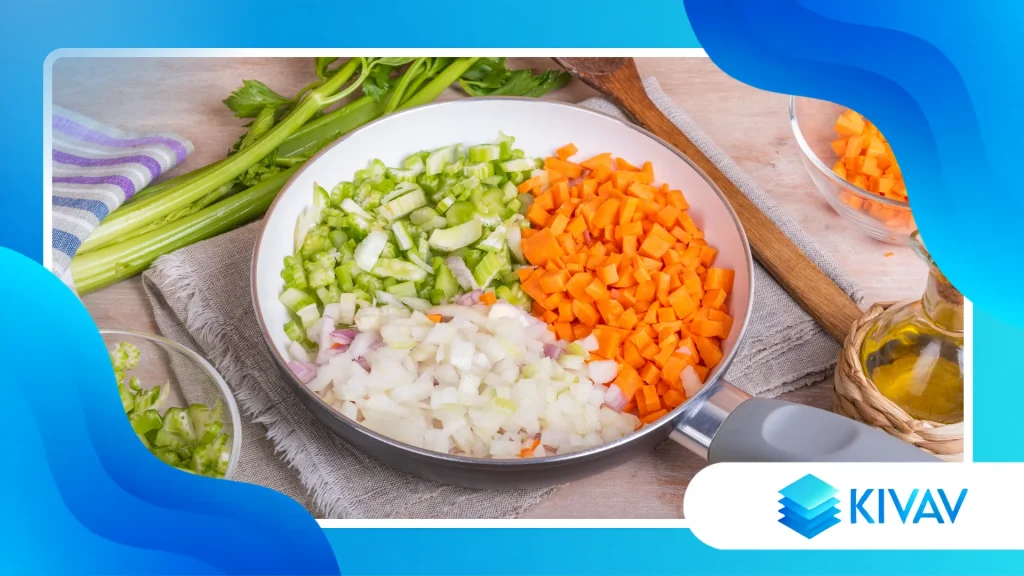
the art of patience applied in the kitchen
Create an excellent and authentic Italian soffritto It means dedicating time and love to the initial phase.
Complex flavors arise strictly from simple bases treated with the utmost respect and incredible care.
Apply these precise proportions and advanced techniques to instantly elevate the quality of your everyday dishes.
Experiment with extreme awareness, remembering that our traditional cuisine rewards the quality of raw materials.
The recent guidelines provided by the Italian Ministry of Agriculture on DOP and IGP certifications emphasize the importance of traceability.
Choosing locally grown produce really makes a big difference in the final dish served at the table.
Frequently Asked Questions
Can I blend vegetables instead of chopping them with a knife?
Using a modern electric blender releases too much water from the cell fibers and creates a mushy puree.
Careful hand cutting remains the technique recommended by great chefs to preserve the ideal consistency.
What is the best onion for our Italian soffritto?
The classic golden onion offers the best balance of sweetness and pungency for slow cooking.
Red onions tend to lose color, while white onions are definitely better suited for salads.
How long does fresh mince keep in the refrigerator?
Raw cut vegetables will keep perfectly in the refrigerator for up to two days.
Place them in a clean glass jar to avoid dangerous bacterial growth and dark oxidation.
++ Classic sauté: 5 rules to always follow
++ Basic recipe for sautéed celery, carrot and onion
