
Emilian Spongata: The Spiced Dessert of Ancient Celebrations
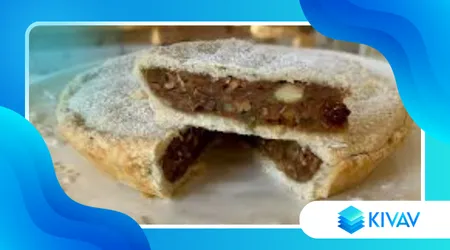
There Emilian spongata It is not a simple dessert, but a gastronomic archaeological find that defies modernity with its incredible aromatic complexity and longevity.
Announcements
Forget the soft texture of panettone or the lightness of pandoro; here we find ourselves faced with an architecture of dense flavors, where exotic spices and dried fruit blend in a crunchy shell.
On this journey through taste:
- The aristocratic identity of the dessert in the Po Valley courts.
- Because time is the secret ingredient of the filling (made in 2026).
- The detailed technical recipe to replicate it at home.
- Analysis of the variants between Brescello, Parma, and Reggio Emilia.
- Storage tips to maintain the fragrance over the months.
What is this masterpiece and why does it dominate winter tables?
This preparation appears as a low cake, almost austere on the outside, but capable of hiding an explosion of medieval aromas as soon as it is cut.
The name evokes the spongy consistency of its honey-rich interior, which acts as a natural preservative, allowing the preparation to remain perfect for weeks.
In a world dominated by ultra-processed products, the 2026 artisanal version stands out for its absence of chemical flavors, relying exclusively on the quality of local raw materials.
Announcements
Those who taste this specialty for the first time are struck by the persistence of cinnamon and cloves, aromas that recall the ancient trade routes of the Via Francigena.
What is the historical origin of the Emilian Spongata?
The roots of this delicacy lie in the Renaissance, when spices were a symbol of power and were used generously to honor illustrious guests.
It is said that the nuns of the Benedictine monasteries were the guardians of the perfect proportions, secretly passing down the mix of “strong spices” needed to balance the sweetness of the honey.
Brescello, the village of Peppone and Don Camillo, has made it a cultural flagship, elevating production to an art form that today attracts thousands of food and wine tourists.
Every family has its own version of the recipe, often handwritten in old notebooks, where white wine is used to make the pastry incredibly thin and crumbly.
The Authentic Recipe: How to Prepare It Perfectly
Make a Emilian spongata It requires patience. Master pastry chefs recommend preparing the filling at least ten days before baking to allow the flavors to mature.
Ingredients for the filling
- 300g of high-quality multiflower or acacia honey.
- 200g coarsely chopped walnut kernels.
- 100g of peeled and toasted almonds.
- 100g of sultanas soaked in wine.
- 50g of Mediterranean pine nuts.
- 100g breadcrumbs (lightly toasted in the oven).
- Candied citron and orange peel (50g each).
- Spice mix: cinnamon, cloves, black pepper, nutmeg.
Ingredients for the pastry (shortcrust pastry)
- 400g of 00 flour.
- 150g of butter (or lard, for those who follow the peasant tradition).
- 150g granulated sugar.
- A pinch of salt and enough dry white wine.
Technical procedure
- The Heart of the Sweet: Heat the honey without boiling. Add the breadcrumbs and stir vigorously. Add the dried fruit, candied fruit, and spices. Let the mixture rest in a cool place.
- The Wrapper: Mix the flour, sugar, shortening, and wine until you obtain an elastic dough. Let it rest for 30 minutes, wrapped in a cotton cloth.
- The Assembly: Roll out two thin discs (about 3-4 mm). Place the first one in a baking pan, spread the filling evenly, and cover with the second disc, sealing the edges well.
- The Cooking: Prick the surface with a fork and bake at 180°C for about 25 minutes. The crust should be golden brown but not too dark, which will dry out the filling.
For guidance on traditional bread-making techniques and specifications, it is useful to consult the resources of the Red Shrimp, which often explores regional excellence.
Why is ripeness essential for taste?
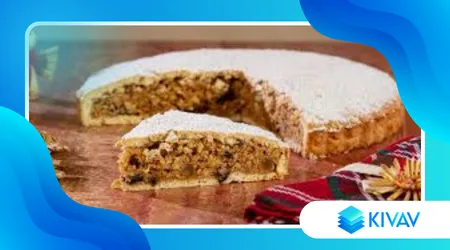
This dessert should never be eaten fresh from the oven; the heat must give way to a chemical stabilization that harmonizes the walnut oils with the honey.
As the days pass, the residual water evaporates and the aromas bind to the bread, transforming the inside into a silky, non-sticky mixture.
In 2026, the “slow food” trend brought attention back to this ritual waiting, making home production an act of resistance against haste.
Find out more: Piedmontese Bonèt: a traditional Savoy cocoa and amaretti pudding
The flavor evolves: if you taste it after a month, you will notice much more pronounced notes of undergrowth and resin, thanks to the natural seasoning that occurs inside the shell.
Organoleptic Characteristics of the Dessert
| Component | Role in Flavor | Palate Sensation |
| Honey | Sweetener and preservative | Softness and persistence |
| Dried Fruit | Structure and body | Alternating crunchiness |
| Spice Mix | Aromatic profile | Warmth and light pungency |
| White wine | Shortcrust pastry degreaser | Clean final acidity |
What are the secrets to perfect preservation?
A common mistake is to keep the Emilian spongata in the refrigerator; the humid environment destroys the crispiness of the outer crust, making it rubbery.
The ideal method involves using tins or wrapping them in food-grade paper and aluminum foil, storing them in a dark, dry pantry.
This cake was historically conceived to last all winter. Pastry chefs recommend making it in November for consumption during the holidays, when it reaches its peak.
++ Zucchini alla scapece Neapolitan style
If well protected, the outer paste acts like a treasure chest, maintaining the freshness of the dried fruit and the intensity of the candied citron intact.
How to serve it in a modern context? Emilian Spongata
In addition to the classic after-dinner drink, this specialty is finding its way onto the menus of starred restaurants as an accompaniment to excellent spirits.
It pairs beautifully with a glass of Nocino di Modena or a glass of passito, which picks up the honeyed notes of the spicy heart.
Cut it into thin slices to avoid overpowering the richness of the ingredients; the key is the balance between the pastry and the filling.
A creative twist for 2026? Serve it slightly warm with a vanilla custard to enhance the citrus aromas and toasted bread.
Conclusion
This gastronomic treasure remains a cornerstone of Italian pastry-making, a product that accepts no compromises and demands respect for its history.
Bringing this cake to the table means sharing a piece of peasant culture ennobled by the luxury of spices, a combination that makes Emilia a unique culinary land.
To stay up to date on food fairs and events dedicated to historic sweets, we invite you to consult the website of Slow Food Italy, leader in the protection of food traditions.
FAQ – Frequently Asked Questions
Can I use regular breadcrumbs for this recipe?
It is preferable to use breadcrumbs made from artisanal bread toasted at home, since the industrial ones, which are too fine, do not absorb the honey properly.
Which honey is best for preparation?
Acacia honey is excellent for its fluidity, but a mountain wildflower honey adds herbaceous notes that pair perfectly with strong spices.
Is Emilian Spongata suitable for vegans?
The classic recipe contains honey and butter (or lard), so it is not suitable for a vegan diet without appropriate technical substitutions.
Why is my filling too hard after cooking?
The honey was probably heated too much or the proportion of breadcrumbs was too high compared to the liquid; the mixture should remain plastic.
Can this cake be shipped long distance?
Absolutely. Thanks to its natural resistance and lack of fresh cream, it is one of the most suitable Italian products for international shipping.
++ a sweet to give and enjoy in company
