
Lombard Country Cake: A Dessert of Recovery and Memory
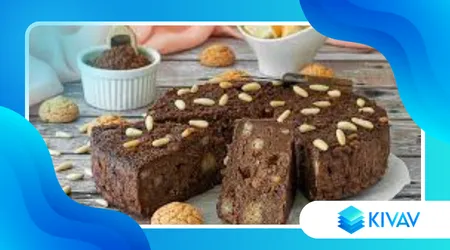
There Lombard village cake It's much more than a simple household trick for clearing out the pantry; it's an architecture of flavors based on the "nothing goes to waste" philosophy, transforming stale bread into a dense poem of cocoa and milk.
Announcements
On this journey through the mists of Brianza, we'll discover how a dessert born out of poverty became a cornerstone of the region's gastronomic identity.
Article summary
- The essence of country cake: history and territory
- The alchemy of ingredients: bread as the protagonist
- The ritual of recovery in the Brianza culture
- The definitive recipe: proportions and cooking secrets
- Nutritional data and conservation dynamics
- FAQ: the most common doubts
What exactly is the Lombard country cake and where does it come from?
Often called “black cake” for its impenetrable color, the Lombard village cake It doesn't have a precise birth date, but it does have a chosen area: Brianza. Here, bread wasn't just nourishment, but a sacred element that deserved a second life.
This preparation was created precisely to ennoble leftovers, mixing them with ingredients that were once small luxuries, such as cocoa or pine nuts.
There is something almost magical about the way such a dark and seemingly raw dough manages to release such aromatic complexity.
Announcements
It's a dessert that doesn't try to look pretty; it prefers to be authentic, focusing entirely on a texture that balances pudding and cake.
Today it is officially a Traditional Agri-Food Product, a recognition that protects this collective memory from industrial simplifications.
What are the pillars of its structure?
The success of this cake depends entirely on the bread. You don't need baguettes or seasoned breads, just classic plain bread, the kind that becomes rock-hard after three days.
It is the beating heart of the dessert: once immersed in milk, it transforms into a sponge capable of retaining every nuance of cocoa and amaretto.
The accompanying ingredients aren't accessories, but necessary supporting ingredients. The amaretti biscuits add a bitter note that breaks the sweetness of the milk, while the raisins add a chewy, sugary texture.
According to the guidelines of the Lombardy Region, The original recipe avoids chemical leavening agents: the structure must remain moist and heavy, almost melting on the palate, rejecting any temptation to become soft or spongy.
Why does the concept of “recovery” define this dessert?
Eating a slice of this dessert means engaging with a peasant wisdom that today, in an era of systematic waste, seems almost revolutionary.
It's not just cooking; it's an ethical stance that has been passed down from generation to generation in the Lombard courts.
Every family has its own “dose,” often measured by eye, where adding a leftover cookie or a scrap of Easter chocolate isn’t a mistake, but an added value.
This visceral connection with the past makes preparation an unmissable autumn ritual.
++ Grandfather's Cup revisited with an artisanal twist: tradition and nostalgia
During village festivals, the smell of cocoa and boiling milk fills the air, reminding us that true excellence doesn't require exotic ingredients, but time and respect for what we already have available in our kitchens.
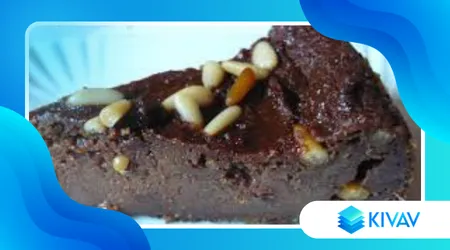
The Authentic Recipe: a balance of moisture and flavor
Prepare the Lombard village cake It requires patience. Haste is the enemy of bread, which must have time to surrender completely to the liquid.
Find out more: Trentino-Style Apple Strudel: A Mountain Flavor in Every Bite
Ingredients:
- 300g of stale bread (only the crumb and crust)
- 1 liter of fresh whole milk
- 2 medium eggs
- 100g granulated sugar
- 50g of high-quality bitter cocoa
- 100g of dried amaretti biscuits
- 80g of sultanas
- 50g of pine nuts
- Zest of a citron or orange (optional)
Procedure:
Break the bread into pieces in a large bowl and cover with warm milk. Let it rest for at least 4 hours (preferably overnight), then work it with your hands or a spoon until it forms a lump-free paste.
Combine the crushed amaretti biscuits, sifted cocoa, sugar, eggs, and finally the dried fruit. Pour into a greased baking pan and bake at 170°C for about 60-70 minutes.
++ How to reinterpret regional Italian recipes for a more sustainable cuisine
The cake is ready when the surface is dark and slightly ridged, but the inside remains “jiggly”.
Nutritional values and composition
The following table illustrates the caloric density of an average serving, highlighting how this dessert is a concentrate of energy deriving from complex carbohydrates and simple sugars.
| Element | Value per 100g | Editorial note |
| Calories | 260 kcal | Moderate for a dessert |
| Carbohydrates | 42g | Mainly from bread |
| Fats | 8g | Derived from milk and pine nuts |
| Proteins | 7g | Good intake from milk and eggs |
| Fibers | 3g | Thanks to dried fruit |
How to best enjoy it in a modern context?
Although it originated as a workers' breakfast, today the cake finds its place as a refined end to a meal, accompanied by crème anglaise or a dollop of lightly sweetened whipped cream. Purists advise never eating it straight from the oven.
Resting for 24 hours is mandatory: it allows the aromas to settle and the structure to stabilize, making the cut clean and precise.
Store it under a glass dome, out of the refrigerator if the room is cool. Its natural moisture will protect it from hardening for several days. It's a dessert that improves with time, just like the stories it tells.
For those seeking inspiration on how to pair wines with these complex flavours, the portal of Red Shrimp offers excellent guides on the most suitable Lombard labels.
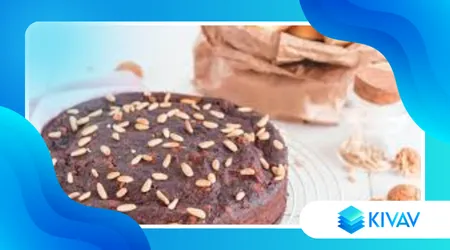
Final reflections on a living heritage
Choosing to make this cake means honoring a legacy that stands the test of time. It's an invitation to slow down, to touch food with your hands, and to rediscover that gastronomic beauty often lies in the simplest things.
Bringing this dessert to the table is an act of resistance against the standardization of taste, a way to keep alive the dialogue with our Brianza roots.
FAQ – Frequently Asked Questions
Can whole wheat bread work?
You can use it, but it will radically change the texture, making it more rustic and less velvety. White bread remains the reference for the classic version.
Why was my cake too runny?
The bread probably wasn't squeezed enough, or the proportions of milk and crumb were off. The toothpick test should still come out slightly dirty, not dry.
Can I avoid eggs?
Some ancient recipes don't include them, relying solely on the bread's starches to bind the dough. However, eggs help give the cut a more reliable structure.
Which cocoa is best to use?
Unsweetened cocoa is essential. Avoid sugary breakfast mixes, which would overwhelm the delicate flavor of amaretti biscuits and dried fruit.
++ Mother Giovanna's Country Cake
++ Discover Paesana. The ancient Brianza cake made with stale michette bread.
