
Artichoke and Pecorino Romano tart: a fragrant side dish with a Lazio heart.
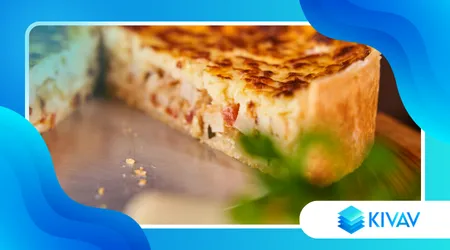
The artichoke and pecorino romano tart It's a return to the origins that accepts no compromises, a fragment of the Lazio countryside served in a crock that smells of embers and pastures.
Announcements
This isn't your usual subtle, timid preparation; here, the strength of the sheep's milk cheese challenges the ferrous notes of the artichoke in a culinary duel that defines the very identity of Rome and its surroundings.
Summary
- The rustic soul of the Lazio duo
- The Hierarchy of Taste: The Romanesco Artichoke
- Anatomy of a Recipe: Technique and Secrets
- Nutritional balance and seasonality 2026
- The ideal pairing between glass and territory
What is this preparation really?
To simply call it a side dish is almost an affront to the complexity it hides. artichoke and pecorino romano tart it is an architectural structure of flavors, where the sweetness of the vegetable is literally “slapped” by the saltiness of the DOP cheese.
There's something profoundly honest about this dish: it doesn't try to please with modern sauces or overly fluffy textures.
It's often confused with a French flan, but the approach is different. Here, the texture must remain strong; the artichoke shouldn't disappear into a bland purée, but assert its presence beneath a golden crust.
Announcements
In the gastronomic landscape of 2026, where the return to the "refined primitive" is the norm, this tart is positioned as the king of tables that reject processed food in favor of real kilometers.
Why is the Roman artichoke unrivaled?
Choosing any artichoke means condemning the dish to mediocrity. The "Cimarolo" or "Mammola," typical of the Lazio coast, is the only one capable of withstanding the heat without developing that annoying, woody fibrousness.
It's a question of genetics and soil: the minerality of the land between Ladispoli and Cerveteri results in a fleshy leaf that, when cooked, becomes almost buttery.
Pecorino Romano, for its part, isn't just a condiment, but a structural pillar. Many make the mistake of using cheeses that are too young and bland; instead, it needs to be aged to provide the spicy note that balances the artichoke's cynarin.
Find out more: Venetian-style sardines in saor: the lagoon's sweet and sour appetizer
It's an instinctive chemical balance that Lazio farmers have perfected over the centuries, well before the science of taste explained the reasons behind it.
The Recipe: Technical and detailed procedure
To bring authenticity to the table, haste is the first enemy to eliminate. Each step must respect the timing of the raw ingredients, avoiding shortcuts that would compromise the final aromatic bouquet.
++ Roman-style puntarelle salad
Ingredients (for 4 people)
- 6 Roman artichokes PGI (cleaned and beardless)
- 120g freshly grated Pecorino Romano DOP
- 4 organic eggs of category A
- 1 clove of red garlic and a bunch of Roman mint
- Sabina EVO oil, salt and black peppercorns
- Artisan breadcrumbs for the mold
Preparation
- Plant treatment: After cleaning the artichokes, cut them into thin wedges. Sauté them in a pan with oil and garlic over high heat for 8-10 minutes. They should soften but remain al dente. Toward the end, add the hand-torn mint to release its essential oils.
- The binder: In a bowl, beat the eggs with the Pecorino Romano. Don't beat them; aim for a thick emulsion. Add a pinch of coarsely ground pepper. Salt should be used with extreme caution, as the cheese is already a powerful natural flavor enhancer.
- Assembly: Add the artichokes (warm, never boiling) to the egg mixture. Stir with broad movements.
- Cooking: Butter individual molds and coat them with breadcrumbs. Pour in the mixture and bake at 180°C (350°F) for about 22 minutes. The center should remain melted, while the surface should have a clear, crispy Maillard reaction.
You can learn more about the regional variations on the website Lazio Region – Agriculture, where the certified producers of these excellent products are listed.

Property Analysis (Average Data 2026)
| Nutritional Value | Quantity per 100g | Gastronomic Impact |
| Energy | 145 kcal | Substantial but balanced |
| Noble Proteins | 9.2 g | High bioavailability |
| Crude Fiber | 4.5 g | Essential for digestibility |
| Bioactive Calcium | 180 mg | Certified sheep origin |
| Vegetable Iron | 1.2 mg | Typical of the Lazio varieties |
The secret of the perfume: mint and heat
The most common mistake? Using supermarket peppermint. Roman mint (Nepeta nepetella) has a wild, almost earthy aroma, which interacts exclusively with the artichoke.
Without it, the artichoke and pecorino romano tart It loses its geographical compass. It's that smell that invades Roman kitchens in spring and distinguishes a homemade dish from an industrial reproduction.
Serving this tart requires one final gesture of respect: let it rest for five minutes outside the oven. The residual heat stabilizes the egg proteins and allows the pecorino fats to redistribute among the artichoke fibers.
Interesting: Caciocavallo Silano DOP
Pair it with a glass of Frascati Superiore; its acidic edge will cut through the cheese's fattiness, leaving your mouth clean and ready for another bite.
Final reflections
Cooking a dish like this in 2026 means choosing to slow down. artichoke and pecorino romano tart it is an act of resistance against the homologation of taste.
It's not just food; it's a fluid narrative that begins in the volcanic fields of Lazio and reaches your plate with disarming expressive force.
For those who wish to further explore the roots and evolution of the cuisine of the Bel Paese, the portal kivav.com remains the essential point of reference for Italian signature gastronomy.
Consult authoritative sources such as the Ministry of Agriculture It helps to understand how much work goes into a single DOP or IGP label, transforming every dinner into a moment of cultural awareness.
FAQ – Frequently Asked Questions
Which oil should I use to avoid masking the flavors?
Sabina extra virgin olive oil is perfect because it is delicate and fruity, ideal for not overpowering the pungent aroma of Pecorino Romano.
Can the cake be frozen?
This is strongly discouraged. The artichoke's cellular structure and the egg's texture would collapse, turning the cake into a watery mass when thawed.
How to choose the right pecorino cheese?
Always look for the DOP mark on the rind. For this recipe, a minimum maturation of 10-12 months ensures the right crispness and necessary character.
Can I use frozen artichokes?
Although the temptation is strong, the result would be pale and lack the crunchy texture that only fresh seasonal produce can provide.
++ Artichoke, the eighth king of Rome
