
Fried polenta with Alpine cheese cream: a warm Italian winter appetizer.
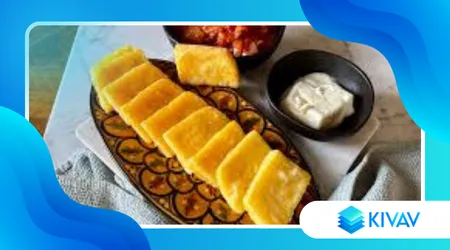
Fried polenta with Alpine cheese cream: a timeless classic that warms the heart during long winter evenings, elevating the simplicity of corn to gourmet heights.
Announcements
In this technical insight, we'll explore how to balance textures and select the most suitable mountain dairy products to create a unique sensory contrast between crunchiness and softness.
Article summary
- Flour selection: ideal grains and varieties.
- Frying technique for dry browning.
- The detailed recipe: doses and technical steps.
- Secrets to lump-free cream cheese.
What is fried polenta with Alpine cheese cream?
This dish represents the noble evolution of the subsistence cuisine of the northern valleys, where leftover polenta was traditionally reused the next day with creative methods.
The modern version features a golden-brown frying that encloses a creamy interior, served with a fondue made with mountain cheeses rich in herbaceous and floral nuances.
This is not a simple side dish, but a structured appetizer that plays on temperatures and textures, celebrating the biodiversity of Alpine pastures in every single bite.
Announcements
Choose the fried polenta with Alpine cheese cream: It means bringing a piece of Italian gastronomic history to the table, reinterpreted with the technical precision of contemporary cuisine.
What are the best Alpine cheeses for this recipe?
The success of the cream depends exclusively on the quality of the raw material, which must have good melting properties and a complex but not overpowering aromatic profile.
Fontina DOP is the undisputed king for its elasticity, but the addition of a small percentage of Castelmagno or Toma Piemontese can give it deeper and more persistent notes.
Using products with certified origin guarantees that the milk comes from properly fed animals, directly influencing the richness of beneficial fatty acids present in the final cheese.
To understand the importance of traceability in dairy products, it is essential to consult the guidelines of the Food Quality of the Ministry of Agriculture, which protects these artisanal excellences.
Technical recipe: Fried polenta and Alpine fondue
The preparation requires patience and precision, especially during the cooling phase of the polenta, which is necessary to obtain clean and precise cuts that do not fall apart during cooking.
Ingredients (for 4 people)
- 250g of coveted corn flour
- 1 liter of mineral water
- 10g of coarse salt
- 200g of Fontina DOP or Bitto
- 100ml of fresh liquid cream
- Peanut oil for frying
Find out more: Neapolitan scapece courgettes: a perfect balance of vinegar, mint, and garlic.
Step-by-Step Procedure
- Bring the water to a boil, add salt, and slowly pour in the flour, stirring vigorously with a whisk to avoid the formation of annoying lumps.
- Cook over low heat for about 50 minutes, stirring constantly until the polenta comes away from the sides of the copper or steel pot.
- Pour the mixture into a rectangular pan, level it with a wet spatula, and let it rest at room temperature for at least three hours until completely solidified.
- For the cream, melt the cheese cut into small cubes in the cream in a bain-marie, keeping the temperature below 70°C to avoid the fat separating.
- Cut the polenta into uniform sticks and fry them in plenty of oil at 180°C until a golden crust forms and is visibly crispy on all sides.

Why is fried polenta with Alpine cheese cream a winter must?
The dish offers the exceptional caloric density needed to combat the low temperatures, while providing a feeling of authentic and deeply rooted “comfort food” in the region.
The combination of corn and cheese is an archetype of the Mediterranean mountain flavor, capable of satisfying the most demanding palates thanks to the perfect balance between saltiness and sweetness.
Furthermore, the fried polenta with Alpine cheese cream: It allows for a striking aesthetic presentation, playing with stone or wooden tableware that recalls the rustic atmosphere of Alpine huts.
Interesting: Ligurian-style stuffed onions with bread, olives, and marjoram
It's a convivial dish, ideal for starting a mountain-themed tasting journey or as a stand-alone dish during a high-quality, hearty aperitif.
Analysis of ingredient characteristics
We selected the main components by evaluating their impact on the final structure and taste, based on quality and nutritional standards updated to 2026.
| Component | Recommended Variety | Aromatic Note | Technical Objective |
| Corn | Coveted Stone Ground | Toasted hazelnut | Frying resistance |
| Cheese 1 | Fontina DOP (young) | Sweet milk | Perfect fusion |
| Cheese 2 | Historic Bitto | Dry grass, hay | Character and persistence |
| Liquid Cream | Fresh cream 35% fat | Neutral, enveloping | Fondue binder |
When to serve this appetizer during a meal?
The ideal time to serve this delicacy is at the beginning of dinner, when the taste buds are ready to welcome the intensity of the noble fats of the mountain cheese.
We recommend pairing it with a white wine with good acidity, such as a Kerner from Alto Adige, or a classic method that cleanses the palate after each creamy bite.
Serving temperature is crucial: the cream must be runny and the polenta piping hot, creating that explosion of heat that defines the very essence of a classy winter appetizer.
++ How to reduce salt and fat in traditional recipes without altering their identity
Avoid overly large portions, as the richness of the ingredients could overfill the guest before the main courses such as stews, braised meats, or traditional game.
What are the mistakes to avoid when frying?
The main risk is excessive oil absorption, which occurs if the polenta is not dry enough or if the temperature of the fat drops below the critical point.
Never overcrowd the pan; adding too many pieces at once drastically lowers the oil temperature, compromising the barrier effect that ensures the polenta's crispy exterior.
Another common mistake is cutting the pieces into uneven sizes, leading to uneven cooking where some sticks end up burnt and others are too soft.
Finally, remember not to cover the fried polenta as soon as it's drained: the trapped water vapor would immediately soften the crust, rendering all the frying work done previously useless.

Conclusion on high-altitude gastronomy
Prepare the fried polenta with Alpine cheese cream: It is an act of respect for the raw materials and the traditions that define our country's rural identity.
In the culinary landscape of 2026, the rediscovery of these authentic flavors represents a conscious response to the standardization of taste, favoring quality over industrial quantity.
Whether you prepare it for a formal dinner or a relaxing family moment, this recipe will always amaze with its elegance hidden behind its apparent simplicity.
The mountains teach us that a few excellent ingredients, treated with the right technique, can create gastronomic masterpieces capable of standing the test of time and the passing fads of the sector.
To learn more about the techniques for safeguarding pastures and artisanal production, consult the initiatives of Slow Food Italy, a point of reference for the culture of real food.
FAQ – Frequently Asked Questions
Can I use instant polenta?
While it's possible, instant polenta lacks the cellular structure necessary for professional frying; for a gourmet result, traditional polenta flour is highly recommended.
How do I make cream cheese lighter?
You can replace half the cream with whole milk or light vegetable broth, but be careful not to make the fondue too runny and inconsistent.
What to do if polenta breaks while frying?
It probably wasn't allowed to cool enough. Make sure it's completely chilled from the refrigerator before slicing and then lowering it into the boiling oil.
What spices can I add?
A grating of nutmeg in the cream or fresh thyme on top of fried polenta adds a balsamic note that perfectly balances the fatty component of the dish.
++ Fried polenta with soft cheese and friggione
++ Polenta with mountain cheese fondue
