
Alto Adige Buckwheat Cake: Flour-Free, But Rich in Flavor
There South Tyrolean Buckwheat Cake It's not just a dessert; it's the flavor of a geographical and cultural border that melts in your mouth.
Announcements
Entering a South Tyrolean farmhouse and smelling the toasted aroma of this dark flour means understanding, without words, what Alpine resilience transformed into a white art means.
What you will find in this guide
- The rustic soul of the Schwarzplententorte.
- Why Alpine pseudocereal beats modern wheat.
- The definitive recipe: proportions and secrets.
- Consistency management: goodbye to the “dry” effect.
- FAQ to avoid making a mistake.
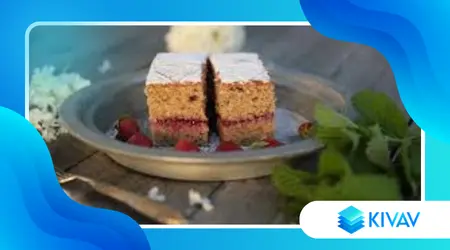
What is the origin of South Tyrolean buckwheat cake?
The roots of the Schwarzplententorte They are rooted in a past where survival dictated the menu. In the valleys of South Tyrol, where wheat struggled to ripen, buckwheat was the farmers' black gold.
Don't let the name fool you: this plant has nothing to do with grasses, but it is a frost-resistant flower.
Initially, it was the food of the poor, a dense mass that provided strength for chopping wood. Over time, the ingenuity of housewives refined the recipe, adding mountain butter and dried fruit.
Announcements
It's fascinating to note how an ingredient born out of necessity has today become the flagship of elite pastry making, capable of outshining even the most complex desserts with its brutal honesty.
Why is buckwheat considered an Alpine superfood?
There is something almost magical about the nutritional profile of this “fake cereal”.
In an age obsessed with “without”, the South Tyrolean Buckwheat Cake offers a natural solution: it is inherently gluten-free, without the need for chemical thickeners or industrial substitutes.
But it's not just a matter of intolerance. Dark flour is loaded with rutin, an antioxidant that protects capillaries, almost as if the plant were protecting those who live at high altitudes.
Find out more: Pignolata Messina with honey and lemon: the lesser-known version
Compared to 00 flour, this one is bursting with essential amino acids. Eating a slice isn't a sin of gluttony, but rather an act of mindful nourishment that avoids the glycemic spikes typical of commercial desserts.
The Recipe: How to Make the Authentic Schwarzplententorte
To achieve the result you see in Bolzano's shop windows, the quality of the ingredients is non-negotiable. Forget supermarket butter; look for a mountain butter with the aroma of pasture.
Ingredients
- 250g buckwheat flour (coarse for a rustic touch)
- 250g of mountain butter at room temperature
- 250g of raw or granulated sugar
- 250g finely chopped almonds or hazelnuts
- 6 organic eggs (yolks and whites separated)
- 1 sachet of baking powder (or cream of tartar)
- 1 pinch of salt and the seeds of a vanilla pod
- For the filling: 300g cranberry jam (Preiselbeeren)
Interesting: Venetian fregolotta cake: crumbly and rustic like it once was
Procedure
- Cream the butter with half the sugar and the vanilla until pale and creamy. Add the egg yolks one at a time.
- Mix the buckwheat flour with the chopped almonds and add it to the butter mixture.
- Beat the egg whites until stiff with the remaining sugar and salt. Fold them into the batter with a spatula, using bottom-up movements to avoid deflating them.
- Pour into a greased 24cm pan and bake at 180°C for approximately 45-50 minutes.
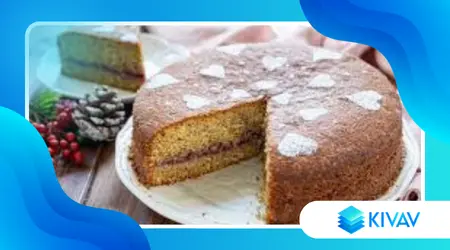
- The secret: Once cooled, cut it in half and fill it generously with cranberry jam. The acidic contrast is what makes this dessert legendary.
For details on the certification of local raw materials, you can consult the portal of Autonomous Province of Bolzano.

Technical Analysis of the Structure
| Element | Characteristic | Impact on the Palate |
| Granulometry | Medium/Coarse | Crunchy and earthy sensation |
| Fat (Butter) | High | Immediate meltability |
| Acidity (Blueberries) | High | Cleaning your mouth after grease |
| Humidity | Average | Consistency reminiscent of wet sand |
How to prevent the cake from being too dry?
Many complain of a "thick" or overly floury consistency. The trick is to balance the fat from the almonds with the egg yolks.
Don't rush: the butter needs to incorporate air for almost ten minutes before you see the flour.
Another common mistake is overcooking. Since the dough is naturally dark, it's difficult to tell by eye when it's done.
Use a toothpick, but remember that the cake will continue to cook for a few minutes even outside the oven thanks to the residual heat.
++ Induction cooking techniques for perfect Italian recipes
Letting it rest overnight before cutting allows the jam to migrate slightly into the cake's fibers, creating that perfect balance between sweet and tart.
When to serve this masterpiece?
In South Tyrol, the cake is the queen of "Jause," the afternoon snack. But there's a more refined way to present it: serve it with a cloud of whipped cream, strictly unsweetened.
The cream acts as a buffer between the bitter note of the wheat and the sweet note of the jam.
This isn't a dessert to be eaten on the go. It calls for filter coffee or, better yet, an Alpine herb infusion that evokes its woodsy aromas. It's a dessert that speaks of slowness and of mountains that are in no hurry to change.
To learn more about the regulations on food safety and the valorisation of traditional products, please refer to the official website of the European Commission.
FAQ – Frequently Asked Questions
1. Can I use strawberry jam?
You can, but it won't be the same. The cranberry has a bitter, tart edge that balances the butterfat. The strawberry risks making the whole thing cloying.
2. Is the cake suitable for vegans?
Replacing butter and six eggs in this specific recipe changes its identity. There are alternative versions, but the Schwarzplententorte classic is based on the protein structure of the egg.
3. Why are almonds used and not 00 flour?
Almonds (or hazelnuts) provide the necessary oils to make the dough soft and gluten-free. Without them, you'd end up with a brick of black flour.
4. Can it be frozen?
Yes, but do it before filling it. Once thawed, cut it and add fresh jam to maintain the fruit's vibrancy.
++ South Tyrolean Buckwheat Cake
++ Vegan, gluten-free buckwheat cake
