
Ciaramicola perugina: the pink doughnut symbol of Easter
Prepare the real one Ciaramicola perugina It requires passion, respect for Umbrian tradition, and the highest-quality ingredients available in any good pantry.
Announcements
This characteristic dessert stands out for its bright color, giving Easter tables an unmistakable touch of joy and a unique flavor.
We'll uncover the secrets of its preparation, analyzing every single step to obtain a soft, fragrant, and visually spectacular cake for your guests.
Here's a quick summary of the key topics we'll cover in this detailed article to help you master the art of making this famous dessert.
- History and origins of the characteristic Umbrian dessert.
- Cultural significance of its unmistakable colors.
- Nutritional and comparative table of festive desserts.
- Authentic recipe and practical steps for making it.
- Frequently asked questions about making meringue.
History and meaning of the Umbrian Easter cake
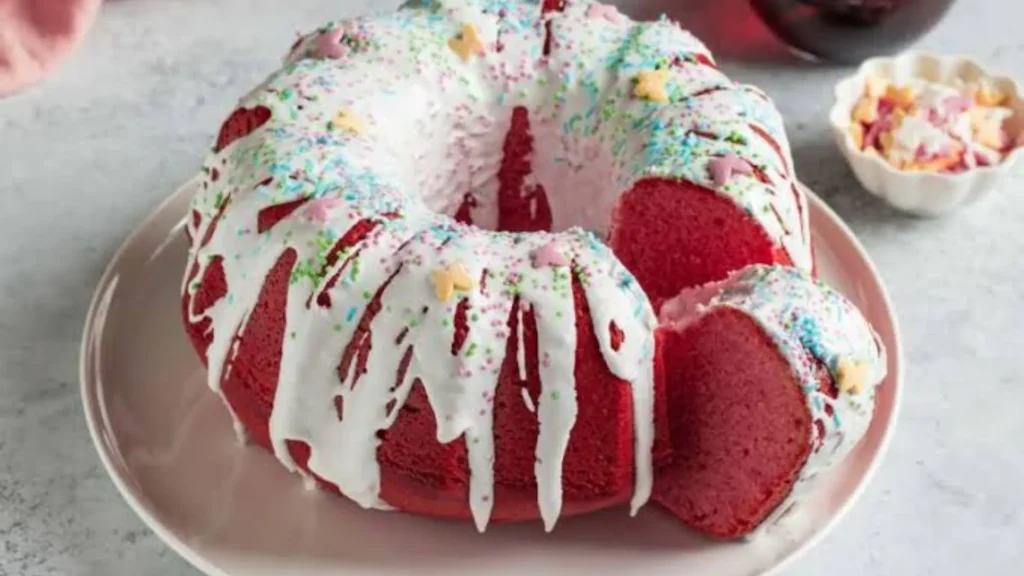
The recipe has its roots in the city of Perugia, representing a true hymn of love dedicated by engaged couples to their fiancées.
Announcements
The dominant colors carry with them a strong historical symbolism, faithfully recalling the ancient medieval districts and the official coat of arms of the Umbrian capital.
The bright red of the internal dough contrasts beautifully with the white sugary glaze, creating a surprising chromatic effect when cutting the slice.
This color combination exactly reflects the white griffin on a red background, a centuries-old symbol that proudly identifies the splendid city of Perugia throughout the world.
Main ingredients and culinary curiosities
To achieve the perfect consistency, you must use type zero flour, fresh organic eggs, excellent quality lard and the famous Alchermes liqueur.
Alchermes gives that unmistakable flavour and the typical ruby pigmentation that clearly distinguishes the Ciaramicola perugina from any other Italian leavened donut.
Don't forget the meringue on top, enriched with colorful sprinkles that simulate the five historic districts of Perugia, adding crunchiness and an irresistible visual appeal.
Some modern pastry chefs prefer butter to lard to lighten the structure, but slightly modify the original texture, which is less crumbly.
A comparison of the great Italian Easter desserts
Analyzing the differences between various regional specialties helps us better understand the national gastronomic heritage and the specificities of individual regions.
++ Umbrian Torciglione: the uniquely shaped almond cake
The following table compares the nutritional values and main characteristics of the three most loved and consumed Easter sweets in Italy.
| Characteristic | Ciaramicola | Traditional Colomba | Neapolitan Pastiera |
| Place of Origin | Umbria | Lombardy | Campania |
| Dough Type | Compact and colorful | Soft and leavened | Stuffed shortcrust pastry |
| Key Ingredient | Alchermes and icing | Candied fruit and almonds | Ricotta and wheat |
| Calories (per 100g) | About 350 kcal | About 380 kcal | About 330 kcal |
| Leavening Type | Instant Chemistry | Long and natural | Absent (shortcrust pastry) |
These nutritional data show how traditional sweets require moderation, even though they represent an invaluable cultural heritage for our rich culinary tradition.
You can learn more about the official guidelines on sweets consumption by visiting the Ministry of Health portal on nutrition education, an authoritative and constantly updated source.
The original recipe: making the perfect cake
Let's now move on to practical aspects, illustrating the exact quantities and the procedure for masterfully replicating this confectionary masterpiece directly in your home kitchen.
Interesting: Traditional Italian single-serving desserts for elegant desserts
Let's start by preparing the basic dough, making sure all the ingredients are at room temperature to ensure even mixing without any annoying lumps.
Doses for a twenty-four centimeter mold
You will need four hundred grams of flour, one hundred and fifty grams of granulated sugar, one hundred grams of lard, three whole eggs and a sachet of baking powder.
Add one hundred and fifty milliliters of Alchermes liqueur, the grated zest of an organic lemon, and half a glass of whole milk to soften the mixture.
++ Cuneo PGI Red Apple: Characteristics and Best Pairings
For the final meringue you need two egg whites, one hundred grams of icing sugar, a few drops of lemon juice and the colored sprinkles.
Step-by-step procedure
Beat the eggs and sugar until the mixture is light, fluffy, and full of air, which is essential for the softness of the final product.
Gently fold in the softened lard, lemon zest, and milk, mixing carefully from the bottom up so as not to deflate the eggs.
Slowly pour in the red liqueur while continuing to whisk the mixture, immediately noticing the wonderful chromatic transformation that will come to life before your eyes.
Sift the flour together with the vanilla yeast and gradually add it to the liquid mixture, mixing well to obtain a smooth, full-bodied and velvety consistency.
Butter and flour a donut pan, pour in the mixture, leveling the surface, and bake in a preheated static oven at 180 degrees for forty minutes.
Check the cooking of your Ciaramicola perugina using the classic toothpick test, which must come out completely dry before removing the cake from the oven.
While the cake is cooling, prepare the icing by whisking the egg whites with the icing sugar and lemon juice until stiff.
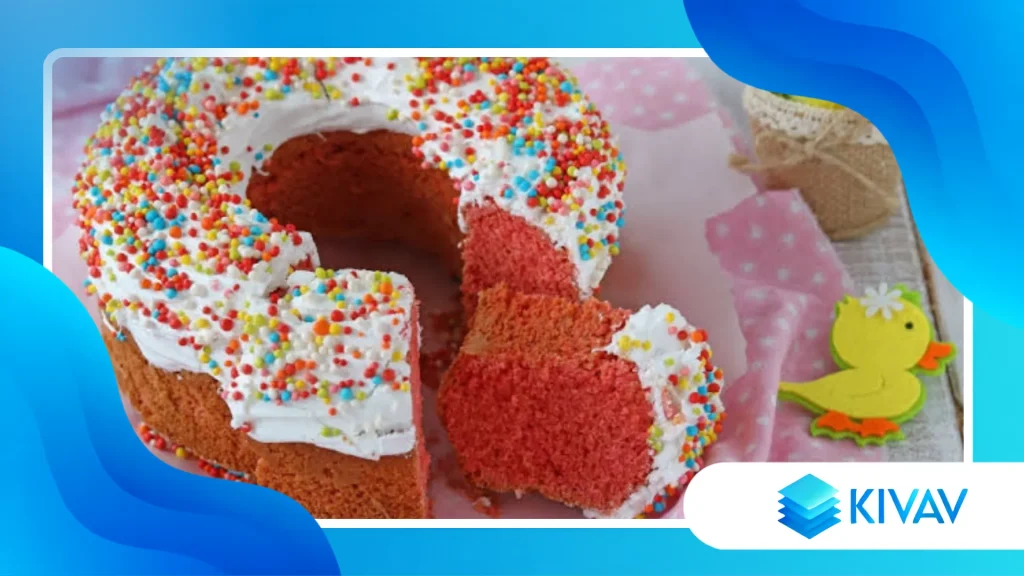
Spread the meringue over the surface of the now cooled donut, creating nice irregular tufts with the help of a spatula or a spoon.
Sprinkle the icing generously with the traditional colored sugars, then bake again at ninety degrees for about twenty minutes to dry the meringue.
Helpful tips for ideal storage: Ciaramicola perugina
Maintaining the freshness of this Umbrian dessert requires a few practical precautions, such as avoiding direct exposure to air to prevent the dough from drying out quickly and undesirably.
Store the product under a glass bell jar or inside an airtight container, placing it in a cool place away from heat sources.
The presence of the liqueur helps to naturally prolong the softness, allowing the dessert to retain its aromas intact for about four or five days.
We strongly advise against freezing, as the low temperatures would irreparably ruin the crispiness of the top meringue and alter the crumbly texture of the crumb inside.
Conclusion
Bringing this Easter masterpiece to the table means honoring a splendid Italian tradition, giving your guests a taste experience rich in history and profound meaning.
The preparation requires patience and precision, but the end result will amply repay all the effort, transforming your Easter lunch into a truly unforgettable moment.
Get your hands dirty, carefully follow the steps described, and enjoy the intoxicating aroma that will fill your kitchen during the magical cooking process.
Frequently Asked Questions
Why does sugar icing crumble easily?
The egg whites must be whipped at room temperature in a perfectly clean bowl. Any trace of fat or yolk will prevent the meringue from setting properly.
Can I use a liqueur other than Alchermes?
Alchermes is absolutely irreplaceable if you want to respect true tradition. Its ruby color and blend of spices define the authentic identity of this dessert.
How can I pasteurize egg whites for meringue?
Prepare a sugar syrup at 121 degrees and pour it slowly over the egg whites while they are whipping. For additional nutritional information, consult the tables in the CREA – Research in Agriculture and Nutrition.
++ Easter Cake and Ciaramicola: Perugia's Easter Tradition
++ Ciaramicola perugina: the original recipe for the Umbrian Easter cake
