
Regenerate leftover pasta while maintaining flavor and consistency
Learn to regenerate leftover pasta requires technical attention to avoid sticky dishes and unpleasant consistencies the day after initial cooking.
Announcements
Recovering these precious foods drastically reduces household food waste, an increasingly crucial issue for the economic and environmental sustainability of modern Italian families.
In this technical study, we'll explore the best culinary strategies. Let's quickly look at the key points we'll cover together to quickly master this technique in the kitchen.
- You'll discover the ideal heating methods for treating short or long formats, maintaining the right consistency without drying out or ruining your beloved meal.
- We'll analyze the technical differences between using the oven, pan, and microwave, choosing the perfect tool based on the seasonings currently available.
- We'll share practical examples for creating new and delicious recipes using leftovers, transforming a simple cold dish into a true traditional masterpiece.
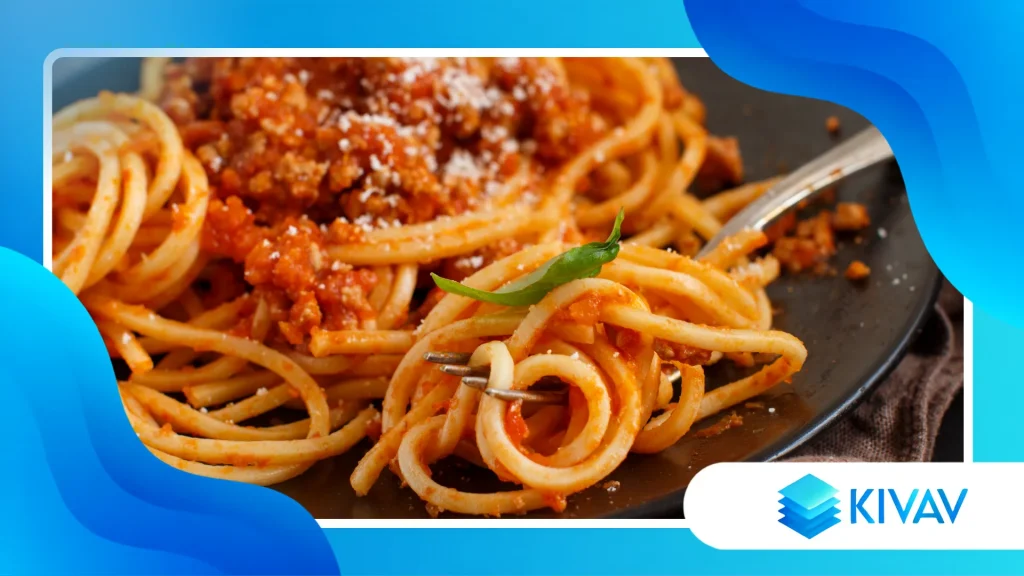
Why regenerate leftover pasta fight waste?
According to recent and authoritative environmental reports, every Italian citizen unfortunately still throws away too many kilos of perfectly edible food every year in their household garbage.
Saving a great plate of spaghetti or macaroni means deeply respecting primary agricultural resources and the hard work spent producing those essential ingredients.
Announcements
What are the best methods for recovery?
Pan-frying: crunchiness and flavor
The classic pan is the absolute tool of choice for effectively reviving dressings based on oil, garlic, seafood or simple and tasty sautéed vegetables.
Heating everything over medium-high heat creates a light and delicious crust on the outside, giving it a rustic and incredibly inviting texture.
Simply add a single tablespoon of hot water or broth to perfectly rehydrate the starches before letting all your chosen ingredients sizzle merrily.
The oven: ideal for flans and rich pastries
When handling very full-bodied sauces, such as rich meat ragù or béchamel, the dry environment of the oven always guarantees significantly superior structural results compared to alternatives.
Spread the mixture evenly in a buttered baking dish, sprinkle with plenty of grated Parmesan cheese and bake at 200 degrees for exactly fifteen minutes.
This specific technique transforms the regenerate leftover pasta into a true art, creating the famous timbales or delicious pasties that everyone loves to enjoy piping hot.
The microwave: speed with the right precautions
Using the microwave offers unsurpassed speed in cooking, but it carries the real risk of excessively drying out the outer edges of your meal.
To avoid this annoying technical defect, carefully cover the container with a suitable perforated film, retaining the vital humidity during the entire heating cycle.
Stir the contents well exactly halfway through the set time to distribute the heat evenly and thus avoid unpleasant and annoying cold spots.
Practical example: the Neapolitan macaroni omelette
We'd like to give you a concrete example of how to reuse spaghetti or bucatini already seasoned with tomato sauce, expertly transforming them into a true regional culinary masterpiece.
Vigorously beat three fresh eggs with black pepper and pecorino romano, then pour the rich mixture directly onto the cold leftovers saved from the previous evening.
Slowly fry the disc in a pan with excellent extra virgin olive oil until both large surfaces are perfectly golden and incredibly crunchy to the bite.
Sliced thinly, this magnificent dish becomes a perfect snack for day trips or a delicious and original homemade aperitif.
You can consult the official data on food waste by visiting the portal of the Food and Agriculture Organization (FAO), which constantly monitors these critical global dynamics.
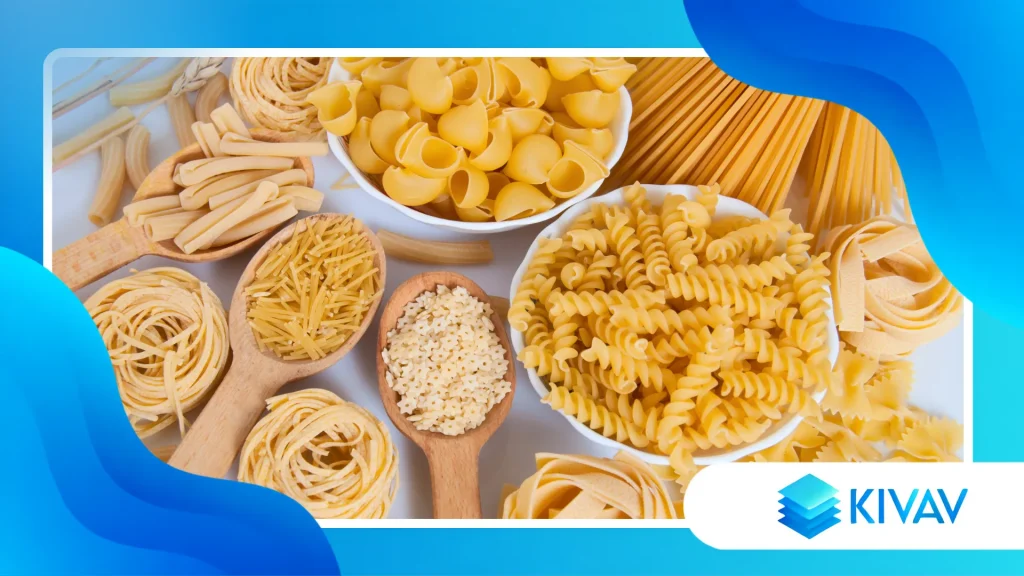
Comparison Table: Regeneration Times and Methods
Choosing the right technique depends entirely on the time you have available and the final taste you want for your next tasty lunch.
We have summarized the fundamental parameters in a convenient and practical quick reference grid to greatly facilitate your daily operational choices in the kitchen.
| Chosen Method | Average Time | Final Result | Ideal Typology |
| Pan | 5 – 7 min | Crunchy and tasty | Oil or vegetable-based sauces |
| Oven | 15 – 20 min | Golden and compact | Baked pasta, ragù, béchamel sauce |
| Microwave | 2 – 3 min | Soft and moist | Liquid sauces, soups, broths |
How to properly store before reheating: Regenerating leftover pasta
Even before regenerate leftover pasta, it is absolutely essential to apply the correct storage procedures in the refrigerator to block any dangerous and unwanted bacterial proliferation.
Promptly place the portions inside airtight glass or plastic food containers, carefully sealing the appropriate lid to completely isolate the external air.
Quickly place the container on the middle shelf of your refrigerator within two hours of finishing the meal to ensure maximum safety.
Interesting: Professional butter-free stirring for lighter risottos
Consume these preparations within forty-eight hours to fully enjoy their precious original nutritional properties, without unpleasant alterations to the flavor or structure of the dish.
Common mistakes to absolutely avoid
Many people mistakenly add huge amounts of cold water directly to the pan, creating an unpleasant boiling effect that irreparably destroys the texture of the entire dish.
Another common mistake in the kitchen is using too high a flame right from the first few seconds, irreparably burning the bottom of the pan and ruining everything.
++ Crostini with cannellini bean cream and rosemary
Always rely on moderate temperatures and be extremely patient, allowing the heat to penetrate gradually and gently right to the heart of your tasty portion.
Getting these basic steps wrong will make all your attempts to do so completely futile. regenerate leftover pasta successfully, inevitably leading to often very disappointing culinary results.
Conclusion
Giving new life to household leftovers is a profound act of gastronomic intelligence that enhances the ingredients used and strictly respects the family budget.
Experiment fearlessly with pans, ovens, or microwaves, expertly adapting the various techniques suggested to the specific and unique characteristics of the condiments you have available.
The real secret lies in paying attention to the smallest thermal details and in the measured addition of liquids to restore the original elasticity and fragrance of your precious carbohydrate.
We invite you to learn more about government guidelines on food safety by consulting the official website of the Italian Ministry of Health, always full of very useful updates.
Frequently Asked Questions (FAQ)
How long does it keep in the refrigerator?
Store cooked food for up to forty-eight hours, using only well-sealed, airtight containers strategically placed on the coldest shelves available.
Is it possible to freeze a dish that has already been seasoned?
You can safely freeze leftover portions if the sauce does not contain cream or other delicate ingredients that tend to separate clearly during thermal defrosting.
Why does the microwave make the texture rubbery?
Electromagnetic waves dehydrate the outer surface molecules very quickly. Always add a little water and use the protective lid to maintain constant internal humidity.
++ Recycling Leftover Pasta: 5 Ideas to Reduce Waste
++ What to do with leftover pasta?
