
Dried figs from Cilento: a product worth rediscovering
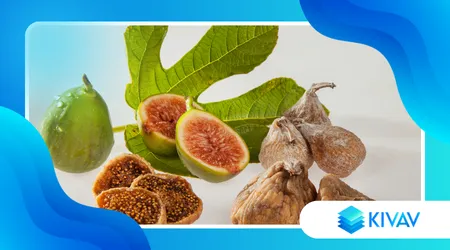
THE dried figs from Cilento They represent one of the most authentic expressions of Campania's gastronomic heritage, combining peasant tradition and nutritional excellence in a single product.
Announcements
In this article, we will explore in depth the history, production process, and characteristics that make this fruit unique on the international scene.
Summary
- The origins of the Dottato variety in Cilento.
- The artisanal process of sun drying.
- Nutritional properties and health benefits.
- How to recognize the authentic DOP mark.
- Creative uses in the kitchen between sweet and savory.
What are Cilento DOP dried figs?
THE dried figs from Cilento They come exclusively from the “Dottato” variety, a prized cultivar that has found its ideal habitat in the clayey soil of the Cilento National Park.
This variety is distinguished by its thin skin and very small seeds, making the pulp pasty and naturally very sweet after drying.
Historically, this resource was called the “poor man’s bread” because it provided local farmers with energy and nourishment during the harsh winter months.
Announcements
Today, the DOP recognition protects the production chain, ensuring that each fruit is processed according to traditional methods that respect the organoleptic integrity of the raw material.
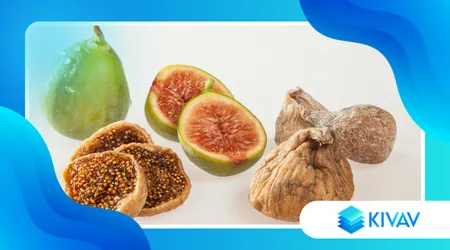
Its distinctive feature lies in its amber color and its chewy but non-fibrous consistency, which clearly differentiates this product from less valuable imported varieties.
Choosing authenticity means supporting a local economy that preserves Mediterranean biodiversity and combats the abandonment of Salerno's hilly lands.
Why is the fig tree superior to the others?
The superiority of the dried figs from Cilento lies in the genetic characteristics of the plant, which produces fruits free of the unpleasant internal granularity typical of other species.
The breezy climate of Cilento allows for slow ripening, concentrating the natural sugars without the need for preservatives or industrial chemical additives.
Unlike Turkish or Greek figs, which are often treated with sulfur dioxide, the Cilento product maintains a complex aromatic profile with notes of honey and caramel.
The low residual humidity guarantees prolonged natural preservation, making it a versatile ingredient for fine pastries and for gourmet pairings with aged cheeses.
Interestingly, the region's geographic conformation acts as a natural barrier, protecting the plantations from common pests and drastically reducing the use of pesticides.
This eco-sustainable approach responds to modern needs for conscious consumption, where food quality is closely linked to environmental health.
How does traditional Cilento production take place?
The production cycle of the dried figs from Cilento It begins with the manual harvesting of the fruits already partially withered on the plant, usually between August and September.
Next, the figs are placed on broom or cane racks, locally called “scascelli,” to complete the natural drying process under the Mediterranean sun.
This ancient method requires constant monitoring to prevent nighttime humidity from compromising quality, forcing producers to remove the racks every evening.
Once ready, many fruits are stuffed with almonds or walnuts, or covered in dark chocolate, creating the famous “fichi 'mbalati‘ typical of the area.
You can learn more about the technical specifications and production regulations by visiting the official website of Ministry of Agriculture, Food Sovereignty and Forestry, which details the DOP certification standards. Full traceability is the cornerstone of global consumer trust in this product.
What are the nutritional values of the product?
THE dried figs from Cilento They are a concentrate of mineral salts such as potassium, calcium and magnesium, essential for the well-being of the nervous and muscular systems.
++ Matera PGI Bread: crispy crust and long shelf life
Although the calorie intake is higher than that of fresh fruit, the density of dietary fiber promotes a feeling of satiety and intestinal regularity.
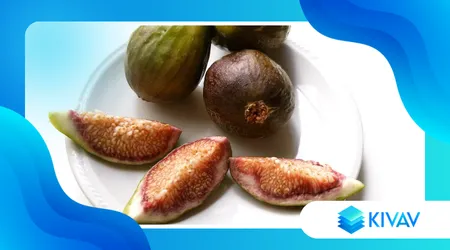
Here is a comparison table based on average data per 100 grams of ready-to-eat product:
| Component | Value per 100g | Main Benefit |
| Energy | 249 kcal | Rapid energy source |
| Fibers | 9.8 g | Digestive health and satiety |
| Potassium | 680 mg | Blood pressure control |
| Soccer | 162 mg | Bone health |
| Iron | 2.0 mg | Prevention of anemia |
These data confirm that moderate consumption is ideal for athletes, students and anyone needing a natural energy boost free of saturated fats.
The presence of antioxidant polyphenols also helps counteract cellular oxidative stress, making the snack not only tasty, but functional.
When to enjoy dried figs in the modern diet?
Integrate the dried figs from Cilento It's easy to incorporate into your daily eating routine, especially at breakfast, to give a healthy glycemic boost after an overnight fast.
Many nutritionists recommend pairing them with Greek yogurt or nuts to balance the glycemic index and prolong the energy they provide.
During the Christmas holidays, these fruits become the absolute protagonists of the table, often presented in elegant braids called "stecchi" or "spiedini".
Find out more: South Tyrolean berries: little mountain treasures
However, the current trend sees dried figs used in gourmet salads with arugula, walnuts, and goat's cheese, creating an extremely refined sweet and sour contrast.
The versatility of the product also allows the creation of sauces and compotes that divinely accompany red meats or foie gras in starred kitchens.
It is no longer just a traditional dessert, but an element of culinary distinction that elevates the perception of humble dishes to true creative excellence.
Where to buy authentic Cilento products?
To be sure you are buying genuine dried figs from Cilento, it is essential to check the presence of the Community logo of the Protected Designation of Origin on the packaging.
The preferred channels remain the historic shops of the Salerno area or the producer consortia that sell directly online, guaranteeing freshness and a fair price.
Avoid anonymous products sold in packages without clear labeling regarding their origin, as these are often non-Dottato varieties originating from non-EU industrial circuits.
Interesting: Sweet and savory Carnic Cjarsons: the Friulian first course with a thousand variations
Quality comes at a cost that reflects the manual labor and care for the land required to achieve such an excellent end result.
Supporting small farmers also means protecting the rural landscape of Cilento, characterized by centuries-old olive trees and fig trees that form hills declared a World Heritage Site.
Every conscious purchase is an act of cultural resistance against the food standardization that threatens our roots and the authentic taste of the land.
Conclusion
In an age dominated by ultra-processed foods, the dried figs from Cilento they represent a return to intelligent simplicity, where nature and the hand of man collaborate perfectly.
Rediscovering this fruit means taking a sensory journey to an ancient land, appreciating a product that has evolved without ever betraying its identity.
For further details on the protection of excellent products and the promotion of the territory, consult the portal of Cilento, Vallo di Diano and Alburni National Park. Experiment with new recipes and indulge in the sweetness of a treasure the world envies us.
FAQ – Frequently Asked Questions
How long do dried figs keep?
If stored in a cool, dry place away from light, they can last over twelve months, maintaining their properties unchanged.
Do Cilento dried figs contain gluten?
No, they are naturally gluten-free and suitable for celiacs, unless they are processed in factories that handle flour.
Can diabetics consume them?
Given the high concentration of natural sugars, diabetics should consume them in extreme moderation and after consulting a doctor, preferably combined with fiber or protein.
What are “packed” figs?
They are figs split in half, stuffed with almonds, walnuts, or citrus peel, and then closed again, representing the highest expression of local peasant pastry-making.
Does the dark color indicate an old product?
Not necessarily; the dark amber color may depend on the length of exposure to the sun or the specific variety, as long as the scent remains sweet and pleasant.
++ Baked dried white figs of the Dottato variety
