
Stracchino: the fresh Lombard cheese perfect for focaccia
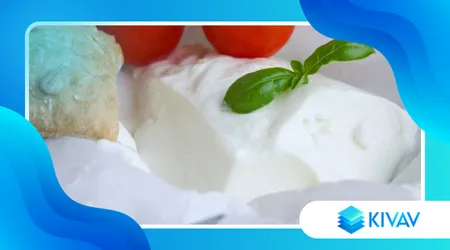
Stracchino It tells the story of an authentic part of Lombardy's gastronomic culture: a fresh, soft, and surprisingly expressive cheese, capable of transforming a simple focaccia into something memorable.
Announcements
Anyone who's tasted a warm focaccia filled with this cheese knows that feeling: the crispy crust slowly yielding and a creamy cream melting between your fingers. It's more than just flavor. It's tradition.
Behind this apparent simplicity lies a centuries-old history, made up of alpine pastures, rapid processing and a direct relationship between the land and everyday cuisine.
Summary
- Origin and tradition of Lombard cheese
- How this fresh dairy product is made
- Because it pairs perfectly with focaccia
- Differences compared to other fresh cheeses
- A simple recipe to prepare at home
What is Stracchino and where does it come from?
In the valleys between Bergamo and Lecco, the production of fresh cheeses has accompanied peasant life for centuries. It is here that the Stracchino, one of the most emblematic dairy products of Lombardy.
The name derives from the Lombard dialect term stracch, meaning "tired." A curious but concrete reference: the cows returning from the autumn mountain pastures produced richer, more concentrated milk.
Announcements
With this milk, cheesemakers made soft, quickly-eaten cheeses. No long aging was necessary: the cheese was eaten almost immediately.
This production logic—simple, immediate, and deeply tied to the rhythm of the mountains—still explains the identity of this dairy product today.
According to Lombard cheesemaking tradition, stracchino belongs to the same family as other soft cheeses such as crescenza and young taleggio, although each has its own characteristics.
For further information on Lombard cheesemaking culture, please visit consult the section dedicated to traditional cheeses of the.
How is Stracchino produced?
The production of this cheese is relatively quick, but requires precision and sensitivity on the part of the cheesemaker.
It starts with slightly heated fresh cow's milk, to which natural rennet is added to initiate coagulation.
Once the curd has formed, it is cut into small granules and transferred into the square molds typical of Lombard production.
Over the next few hours, the whey slowly drains, while the curd takes on the soft consistency that characterizes this cheese.
Ripening is short. Often, two or three weeks are enough for the product to reach its ideal shape: firm, creamy, and slightly elastic.
++ Caciocavallo Silano DOP: an ancient and versatile cheese
The end result is a fresh, delicate cheese with a subtle lactic acidity that makes it surprisingly balanced.
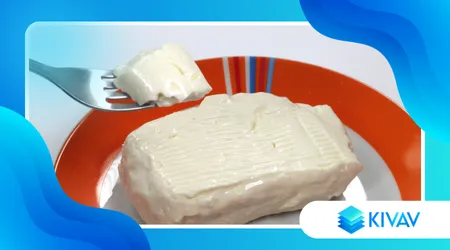
Why does this cheese work so well in focaccia?
This is where something comes into play that many underestimate: the structure of the cheese during cooking.
When the focaccia is heated, this dairy product does not separate into fat and liquid as happens with other fresh cheeses.
It melts slowly, becoming almost like a warm cream that spreads between the layers of the dough.
The result is a precise combination: the focaccia maintains its lightness while the cheese adds depth and softness.
It is no coincidence that it is used in the famous focaccia di Recco, a Ligurian preparation that has become a symbol of regional cuisine.
Interesting: Matera PGI Bread: crispy crust and long shelf life
Many artisan bakers also choose it for rustic focaccias with aromatic herbs, grilled vegetables or sweet onions.
Which cheeses are similar?
In the Italian dairy panorama, there are products with comparable consistencies, but few achieve the same balance between creaminess and freshness.
Crescenza is probably the most direct relative, with which it shares a soft texture and delicate flavour.
Squacquerone from Romagna also offers a creamy consistency, but the aromatic profile is more acidic and intense.
Young Lombard Quartirolo, on the other hand, has a slightly more compact structure and a more pronounced flavour.
These often subtle differences reveal something interesting: Italy's gastronomic geography is nuanced.
++ Neapolitan Minestra Maritata: An Ancient Balance of Vegetables and Meat
Every valley, every province, every cheesemaking tradition slightly modifies the same ancient gesture.
Recipe: Focaccia stuffed with Stracchino cheese
Making a focaccia filled with this cheese doesn't require complicated techniques. All you need are simple ingredients and a little attention to the leavening process.
Ingredients
- 500 g of type 0 flour
- 320 ml of water
- 10 g of salt
- 3 g of dry brewer's yeast
- 3 tablespoons of extra virgin olive oil
- 250 g of Stracchino
Preparation
In a large bowl, mix the flour, yeast, and water until you obtain a soft dough. Add salt and oil, continuing to mix until the dough is smooth.
Let it rise for about two hours, covering the dough with a cloth. Divide the dough into two thin pieces. Roll out the first piece in a lightly oiled baking pan.
Spoon the cheese onto each portion, leaving small spaces between each. Cover with the second layer of dough, seal the edges, and brush with a drizzle of oil.
Bake at 220°C for about 15 minutes, until the surface is golden and crispy. Cut while still warm, the focaccia reveals its creamy center. This is where the cheese truly shines.
To discover other traditional Lombard recipes you can consult Also.
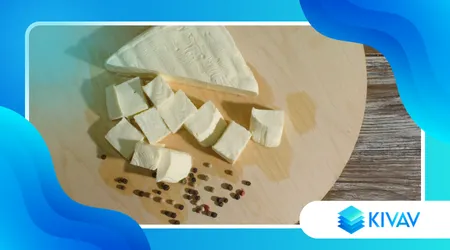
Conclusion
This fresh Lombard cheese continues to stand the test of time precisely because it doesn't try to be something different.
It's simple, direct, and rooted in the land. And perhaps it's precisely this simplicity that makes it so powerful in the kitchen.
In focaccia, it finds a natural ally: the warm dough welcomes it, melts it and transforms it into a soft cream that amplifies every bite.
Not much else is needed. Flour, oil, and good, carefully processed milk. Sometimes the Italian culinary tradition works like this: a few ingredients, but carefully chosen.
FAQ
What does Stracchino taste like?
The flavor is delicate and lactic, with a slight acidity. The texture is soft and creamy.
Is it the same as growth?
The two names are often used synonymously. However, some manufacturers distinguish slight differences in consistency.
How is it preserved?
It should be kept in the refrigerator between 4 and 6 °C and consumed within a few days of opening.
Can it be used on pizza?
Yes. It melts easily and creates a creamy consistency that's much appreciated on white pizzas and stuffed focaccias.
What's the best match?
Warm bread, focaccia, or piadina remain the most traditional and successful combinations in Italian cuisine.
++ Stracchino Focaccia: Tips for a Great Recipe
++ Crispy focaccia with stracchino and squacquerone
