
Tuscan Pan dei Santi: leavened bread with walnuts and spiced raisins
Prepare the Pan dei Santi toscano significa portare in tavola un pezzo autentico della nostra gloriosa e secolare storia gastronomica regionale, profumata di spezie calde.
Announcements
Questo antico e rustico lievitato senese unisce ingredienti poveri ma ricchi di gusto, celebrando magnificamente le tradizionali festività di inizio novembre con assoluta maestria tecnica.
In questa guida pratica scoprirai tutti i segreti per realizzare la ricetta originale direttamente a casa tua, garantendo un risultato sempre incredibilmente fragrante e memorabile.
Ecco un riassunto dei principali argomenti che esploreremo insieme in questo dettagliato articolo dedicato alla celebre e speziata pasticceria rustica toscana tipica dei mesi d’autunno:
- Origini e storiche curiosità locali
- Differenze strutturali con altri dolci
- La ricetta completa passo passo
- Risposte rapide alle domande frequenti
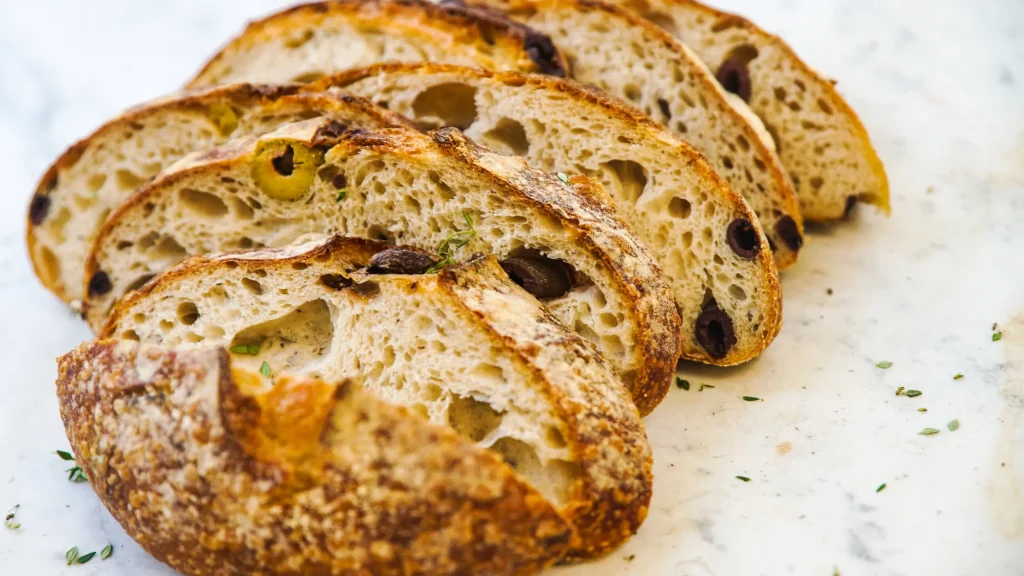
Cos’è esattamente questo antico dolce senese?
Molti conoscono i cantucci, ma pochi sanno che il Pan dei Santi toscano rappresenta l’anima più autentica delle antiche celebrazioni contadine autunnali della nostra stupenda regione.
Announcements
Nato nella provincia di Siena, questo pane arricchito con frutta secca e pepe nero regala un’esperienza gustativa unica, bilanciando inaspettati sapori dolci e piacevolmente piccanti.
Chiamato affettuosamente “Pan coi Santi”, l’impasto lievitato accoglie noci e uvetta morbida, rappresentando simbolicamente la sperata abbondanza dopo i duri e faticosi raccolti dei campi agricoli.
Perché consumiamo questa specialità a novembre?
La tradizione contadina prescriveva di infornare queste profumate pagnottelle tra la fine di ottobre e i primi giorni di novembre, celebrando la sentita solennità di Ognissanti.
Le noci novelle e l’uvetta appena essiccata offrivano gli ingredienti perfetti per creare un prodotto altamente energetico e delizioso da condividere festosamente con parenti e amici.
Oggi, secondo i recenti dati gastronomici del 2026, le famiglie toscane continuano fieramente questa usanza culinaria, tramandando le antiche dosi domestiche ininterrottamente da generazione in generazione.
Secondo gli autorevoli studi storici dell’Accademia dei Georgofili, le profumate spezie orientali venivano ampiamente impiegate per conservare i lievitati rustici casalinghi molto più a lungo nel tempo.
Differenze tra lievitati autunnali toscani
La pasticceria toscana offre diverse preparazioni visivamente simili, ma ognuna possiede caratteristiche tecniche ben definite che la rendono inconfondibile agli occhi dei più esperti assaggiatori gastronomici.
The Pan dei Santi toscano differisce profondamente dal famoso panforte per la generosa presenza di lievito di birra, che conferisce una consistenza tipicamente soffice e deliziosamente spugnosa.
Mentre il panforte risulta basso, estremamente compatto e ricco di canditi, la nostra pagnottella lievitata risulta perfetta persino per accompagnare sfiziosi formaggi stagionati o salumi tipici.
++ Sicilian Reginelle Biscuits: Sesame and Tradition in Every Bite
Osserva attentamente la seguente tabella comparativa per comprendere rapidamente le principali differenze nutrizionali e strutturali tra questi due magnifici e indiscussi protagonisti della nostra tradizione dolciaria.
| Characteristic | Pan dei Santi | Panforte di Siena |
| Consistency | Soffice e alveolata | Molto compatta e densa |
| Leavening | Lunga con lievito fresco | Totalmente assente |
| Spezie base | Pepe nero intenso | Cannella e chiodi di garofano |
| Pairing | Dolce o companatico salato | Esclusivamente dolce fine pasto |
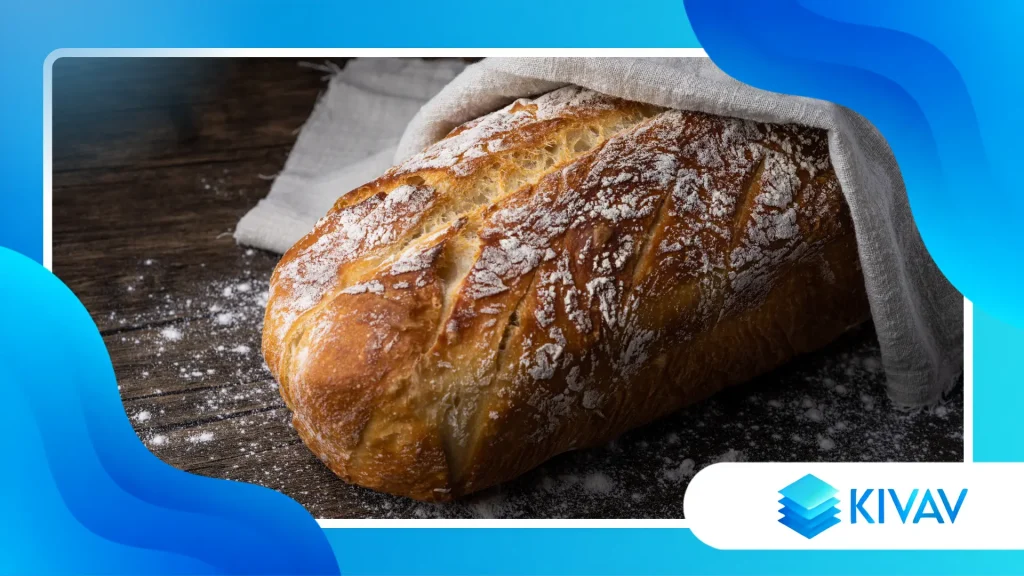
La ricetta originale e autentica
Preparare questa meraviglia richiede molta pazienza durante la lunga lievitazione, ma i passaggi manuali risultano estremamente semplici anche per chi non possiede alcuna particolare esperienza pregressa.
Interesting: Umbrian Torciglione: the uniquely shaped almond cake
Iniziamo radunando tempestivamente tutti gli ingredienti necessari per ottenere due pagnotte intensamente profumate, sufficienti per allietare una tipica domenica autunnale in famiglia con otto porzioni generose.
Ingredienti fondamentali necessari
Per preparare un eccellente e gustoso Pan dei Santi toscano, devi assolutamente procurarti materie prime di altissima qualità presso il tuo amato mercato contadino di fiducia.
Assicurati di avere a immediata disposizione i seguenti elementi essenziali prima di cominciare a impastare la bianca farina sulla tua comoda spianatoia di legno perfettamente pulita:
- 500g di farina tipo 0
- 200ml di acqua tiepida
- 60g di strutto o burro morbido
- 60g di zucchero semolato fine
- 15g di lievito di birra fresco
- 250g di noci sgusciate croccanti
- 150g di uvetta sultanina scura
- Due cucchiaini di pepe nero macinato
- Un cucchiaino di sale fino
- Un tuorlo d’uovo per lucidare
Procedimento pratico passo dopo passo: Pan dei Santi toscano
Metti in ammollo l’uvetta sultanina in acqua tiepida per circa venti minuti, strizzala delicatamente e asciugala molto bene utilizzando della comune carta assorbente da cucina.
Sciogli accuratamente il lievito fresco nell’acqua appena tiepida, aggiungendo subito un cucchiaino raso di zucchero per attivare velocemente e correttamente il miracoloso processo fermentativo dei microrganismi.
Versa la farina setacciata in una ciotola molto capiente, aggiungi lo strutto morbido, lo zucchero rimanente, il sale fino e l’acqua contenente il prezioso lievito disciolto.
Impasta energicamente il composto per almeno dieci minuti continuativi, fino a ottenere una palla perfettamente liscia, estremamente compatta ed elastica sotto la pressione delle tue mani.
Incorpora gradualmente le noci tritate grossolanamente, l’uvetta asciutta e l’abbondante pepe nero macinato fresco, distribuendo questi ingredienti in maniera totalmente omogenea all’interno della profumata massa lievitata.
++ Canestrato di Moliterno PGI: Basilicata's pecorino cheese
Trasferisci l’impasto appena completato in un contenitore leggermente unto, coprilo con pellicola trasparente e lascialo riposare indisturbato in un ambiente piacevolmente tiepido per circa tre ore.
Quando il volume raddoppia visibilmente, dividi l’impasto formando due pagnotte elegantemente rotonde, sistemale su una teglia foderata e pratica una caratteristica incisione a croce nella parte superiore.
Spennella la ruvida superficie esterna con il tuorlo d’uovo sbattuto e inforna direttamente nel forno statico preriscaldato a centonovanta gradi centigradi per circa trentacinque minuti totali.
Sforna il tuo fragrante capolavoro artigianale e lascialo raffreddare completamente su una griglia metallica sollevata prima di affettarlo generosamente e servirlo ai tuoi felici commensali impazienti.
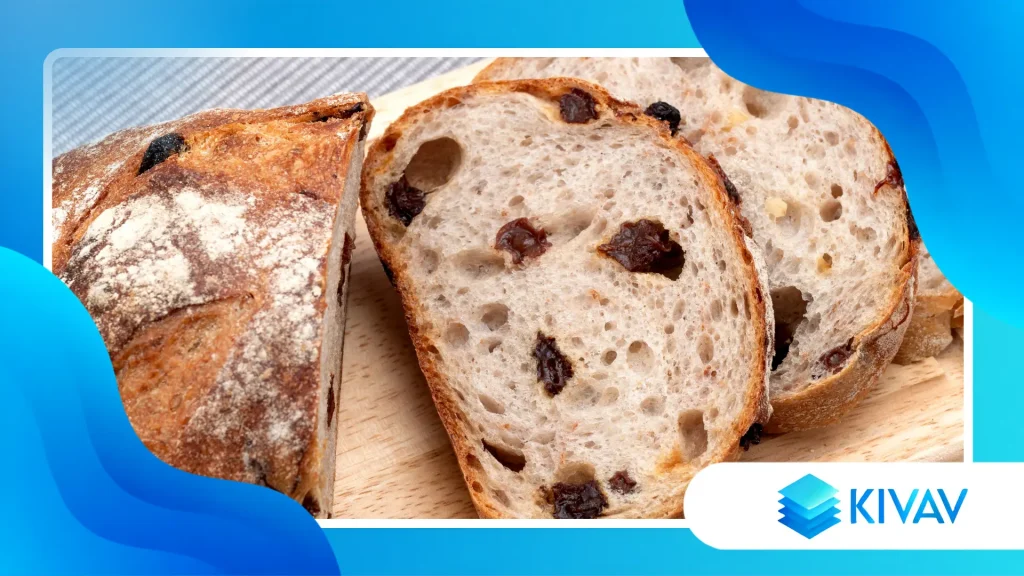
Final considerations
Realizzare artigianalmente questo straordinario e profumato lievitato autunnale ti permette di mantenere viva un’antica e preziosa tradizione regionale direttamente nella tua moderna e attrezzata cucina domestica.
Ricorda sempre di privilegiare ingredienti freschissimi e di rispettare rigorosamente i lunghi e delicati tempi di riposo, garantendo così uno sviluppo ottimale dei meravigliosi aromi speziati.
Il profumo inebriante che invaderà rapidamente tutte le tue stanze ripagherà abbondantemente l’impegno manuale impiegato, trasformando la normale merenda pomeridiana in una vera e propria entusiasmante festa familiare.
Frequently Asked Questions
Posso sostituire lo strutto con l’olio?
Certamente, puoi impiegare del buon olio extravergine d’oliva toscano al posto dello strutto tradizionale, ottenendo un risultato finale leggermente diverso ma ugualmente saporito e assai digeribile.
Quanto tempo si conserva il dolce?
Conservandolo accuratamente chiuso all’interno di un semplice sacchetto di carta alimentare, il tuo profumato capolavoro rustico manterrà una freschezza invidiabile e una consistenza perfetta per quasi cinque giorni.
Il pepe nero è obbligatorio nella ricetta?
Assolutamente sì, poiché questa preziosa spezia rappresenta l’anima aromatica del Pan dei Santi toscano, bilanciando intelligentemente la naturale dolcezza dell’uvetta e conferendo un inconfondibile e deciso carattere.
Quante calorie contiene una singola fetta?
Consulta le aggiornate linee guida dietetiche del 2026 pubblicate dal Ministero della Salute per bilanciare sempre correttamente l’apporto energetico quotidiano di questi golosi e corroboranti dolci tradizionali.
