
Creamy spring pasta with courgettes and stracchino cheese
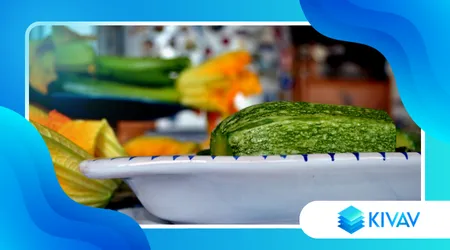
Prepare the creamy spring pasta with courgettes and stracchino means bringing the authentic aroma of seasonal Italian cuisine to the table. This first course combines freshness, creaminess, and speed.
Announcements
Nature, flavor, and health meet in a recipe that showcases the best of the garden. In this guide, you'll discover the technical secrets for a perfect emulsion without cream.
Summary
- Why choose spring pasta with courgettes and stracchino?
- What are the nutritional values of this first course?
- How to get a perfect cream without using cream?
- The step-by-step recipe
- Which type of pasta best pairs with this sauce?
- Conclusions
- Frequently Asked Questions (FAQ)
Why choose spring pasta with courgettes and stracchino?
Spring awakens the desire for light yet enveloping dishes. creamy spring pasta with courgettes It responds exactly to this modern and sustainable gastronomic need.
New courgettes, available from April, offer a natural sweetness that pairs beautifully with the slightly tart note of fresh stracchino.
This soft cheese melts when hot, creating a velvety texture that envelops the pasta without weighing down the palate.
Announcements
Choosing locally sourced ingredients supports local agriculture and ensures a superior flavor profile, essential to the success of the dish.
The combination of sautéed vegetables and creamy cheese creates a perfect balance of textures, ideal for a regenerating lunch.
What are the nutritional values of this first course?
Analyzing the composition of the ingredients helps understand the nutritional balance of this beloved culinary choice. Zucchini provides water, fiber, and essential vitamins.
According to the data of the Council for Agricultural Research and Analysis of Agricultural Economics (CREA), courgette is rich in potassium and low in calories.
Stracchino, on the other hand, provides the calcium and noble proteins necessary for a complete and satiating meal.
The table below shows the average values for a standard portion of approximately one hundred grams of seasoned dry pasta.
| Nutritional Component | Quantity per Serving | Main Benefit |
| Carbohydrates | 70 g | Slow-release energy |
| Proteins | 14 g | Muscle maintenance |
| Fats | 11 g | Vitamin absorption |
| Fibers | 3.5 g | Intestinal well-being |
Using extra virgin olive oil raw further improves the intake of monounsaturated fats beneficial for the cardiovascular system.
++ Modern and tasty Italian vegetarian first courses
How to get a perfect cream without using cream?
The secret of great chefs lies in managing cooking starches, not in adding superfluous fats like cooking cream.
For yours creamy spring pasta with courgettes, drain the pasta when still very al dente, keeping a generous cup of the cooking water.
Stirring the pasta in a pan with the heat off, along with the stracchino and hot water, creates a stable, silky emulsion.
The vigorous movements of the pan help the cheese, the starch released by the pasta, and the olive oil melt together.
You can blend a small portion of the cooked courgettes to obtain an even thicker, bright green base.
Interesting: Vicenza-style rice and peas: a mix of soup and risotto, a symbol of the Veneto region.
The addition of grated lemon zest at the end adds a fresh note that cleanses the mouth and enhances the flavor.
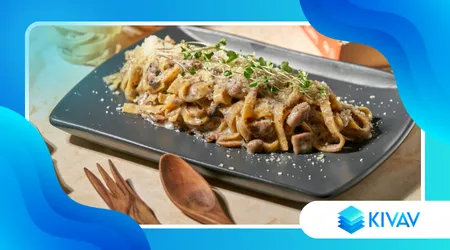
The step-by-step recipe
Bringing this delicacy to the table requires a few strategic steps. Follow the technical details carefully for a flawless result.
++ Typical seasonal Italian products to try, region by region
Ingredients for 4 people
- 320 g of pasta (short or long shape)
- 3 medium baby courgettes
- 150 g of fresh stracchino cheese
- 1 clove of garlic
- Extra virgin olive oil to taste.
- Salt and black pepper to taste.
- Fresh basil leaves
Preparation
- Cutting vegetables: Wash the new courgettes thoroughly and cut them into thin slices or uniform cubes, keeping the outer skin on.
- Cooking the base: In a large skillet, heat a drizzle of extra virgin olive oil with a clove of garlic. Add the zucchini and sauté over high heat for about 7-8 minutes, until tender but still firm. Season with salt and pepper.
- Boil the pasta: Meanwhile, cook the pasta in plenty of salted water. Drain it when very al dente, making sure to reserve a cup of the starchy cooking water.
- Creating the emulsion: Transfer the pasta directly to the pan with the zucchini, discarding the garlic. Add the stracchino cheese, chopped into pieces, and a ladle of the hot cooking water.
- Creaming: Stir vigorously over low heat. The cheese will melt, creating a velvety cream. If necessary, add more cooking water to adjust the consistency.
- Plating: serve immediately creamy spring pasta with courgettes finishing each dish with fresh basil leaves and a sprinkling of freshly ground black pepper.
Which type of pasta best pairs with this sauce?
The choice of pasta shape dramatically affects the perception of the dish and its ability to hold the cream. Short, ridged shapes are the best.
Penne rigate, fusilli, or calamarata capture the melted stracchino cheese within their grooves, guaranteeing an explosion of flavor with every single bite.
If you prefer long pasta, egg tagliolini or bavette offer a rough surface ideal for binding with vegetable sauce.
Bronze-drawing promotes the adhesion of the seasoning, transforming a simple recipe into a high-end restaurant experience.
Cooking pasta in properly salted water ensures that the flavor is consistent from the first stages of culinary preparation.
There creamy spring pasta with courgettes It expresses its maximum potential when consumed hot, freshly sautéed, when the consistency is perfectly fluid.
Conclusions
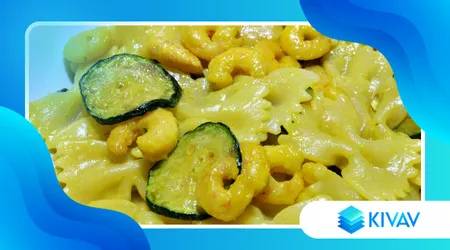
Cooking the creamy spring pasta with courgettes It's a smart way to celebrate the spring season with healthy, affordable, and readily available ingredients.
The simplicity of the preparation contrasts pleasantly with the richness of the final result, capable of winning over both adults and children at the table.
Experimenting with herbs like basil or fresh mint allows you to customize the recipe to your personal preferences.
To learn more about pasteurization techniques and the safety of fresh cheeses, consult the guidelines of the Coldiretti, authority in the Italian agri-food sector.
Prepare the ingredients, heat the pan and let yourself be won over by this extraordinary and fragrant first course of the Mediterranean tradition.
Frequently Asked Questions
Can I replace the stracchino with another creamy cheese?
Certainly. Crescenza, robiola or fresh goat cheese are excellent alternatives to maintain the typical creaminess of the creamy spring pasta with courgettes.
How can I store leftover pasta?
We recommend consuming it immediately. However, you can store it in the refrigerator for a day in an airtight container, then reheat it with a little water.
What variations can I create with this base?
You can add some fresh courgette flowers in the last few minutes of cooking, or some toasted pistachios for a crunchy touch.
Do courgettes need to be peeled for preparation?
No, the peel contains vitamins and adds color to the dish. Wash the baby zucchini thoroughly and cut them into thin rounds or julienne strips.
++ Pasta with courgettes and stracchino cheese
++ Trofie with cream of courgettes and stracchino cheese
