
Typical seasonal Italian products to try, region by region
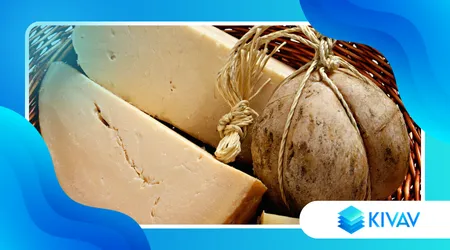
Travelling across the peninsula means discovering a unique gastronomic bio-diversity, rich in seasonal products to try region by region to understand the true local culinary identity.
Announcements
It's not just a matter of perishables or the calendar: every month of the year offers ingredients protected by European Union trademarks that define the profound history of the territories.
Article summary
- The importance of seasonality in Italian gastronomic identity.
- What are the most sought-after typical winter and spring products?
- Which specialties dominate summer and autumn tables?
- Summary table of certified regional excellences.
- FAQs about seasonal Italian products.
The importance of seasonality in traditional Italian cuisine
The connection between territory and the cycle of nature defines Italian cuisine, where the freshness of the raw materials determines the success of every single traditional recipe.
There's an all-Italian obsession with the perfect moment: consuming foods at the peak of ripeness guarantees a superior aromatic profile and supports the economy of small local farmers.
The choice to respect the earth's calendars reduces the environmental impact linked to transport and intensive greenhouse cultivation, preserving agricultural biodiversity.
Announcements
This conscious approach promotes balanced nutrition, as fresh ingredients maintain their organoleptic properties and essential nutrients for the body unaltered.
This sensitivity is often mistaken for simple nostalgia, but it is a true cultural survival strategy.
Winter and spring products that define local identity
The cold winter enhances the Venetian radicchio, such as Radicchio Rosso di Treviso PGI, a chicory that farmers transform by blanching in spring water, making it famous for its crunchiness and typical pleasantly bitter taste.
In this cold season, Sicily responds with its juicy blood oranges, grown on the Catania plain where the temperature range of Mount Etna generates those unique anthocyanins, perfect for healthy salads.
These geographical contrasts demonstrate how the seasonal products to try region by region are not replicable elsewhere.
With the arrival of spring, Italy's fields alight with vibrant hues and offer the famous Roman artichokes, a cornerstone of authentic Lazio cuisine, traditionally cooked "alla giudia" or "alla romana" in the capital's historic alleys.
Find out more: Typical Italian mountain products among mountain pastures and unique flavors
Liguria, on the other hand, celebrates its tender Vessalico garlic, grown on small terraces in the Imperia hinterland: a fundamental and delicate ingredient for aromatic preparations that enhance spring first courses without being too harsh on the palate.
Summer and autumn highlights not to be missed
Italian summer explodes with San Marzano DOP tomatoes from Campania, grown in the volcanic soil of the Sarnese-Nocerino countryside, famous worldwide for their perfect balance of acidity and natural sweetness.
In Calabria, the sweet Tropea PGI red onion becomes the undisputed star of fresh seafood salads and traditional artisanal preserves, thanks to a coastal microclimate that tempers its flavor, making it almost sugary.
Hunting these flavours means mapping the peninsula through the seasonal products to try region by region.
When the leaves begin to fall, autumn colors Piedmont with the fragrant Alba White Truffle, a hypogeal mushroom that grows in symbiosis with oaks and poplars, attracting passionate enthusiasts from every corner of the planet.
++ Typical Italian products from authentic villages between tradition and taste
Meanwhile, Tuscany harvests its prized Monte Amiata PGI chestnuts, a resource that historically fed mountain communities and is now ideal for preparing traditional winter desserts such as castagnaccio.

Calendar of regional seasonal excellences
To best navigate your gastronomic journeys, it's helpful to know the harvest periods of the main protected products found in our country.
To learn more about the official specifications of European productions, visit the portal Quality, the reference point for quality Italian agri-food products. Search for the seasonal products to try region by region It requires a trusty compass.
| Region | Typical Product | Ideal Season | Certification |
| Veneto | Red Radicchio from Treviso | Winter | PGI. |
| Sicily | Sicilian Blood Orange | Winter | PGI. |
| Lazio | Romanesco artichoke | Spring | PGI. |
| Campania | San Marzano tomatoes | Summer | DOP. |
| Calabria | Tropea Red Onion | Summer | PGI. |
| Piedmont | White Truffle of Alba | Fall | Traditional Product |
How to recognize authentic seasonal products in your area
The first step to avoid food counterfeiting is to carefully check the presence of the official European PDO and PGI seals on the external packaging.
These brands guarantee an unbreakable link between the quality of the product and the specific geographical production area described in the specifications. Finding the authentic seasonal products to try region by region avoid the pitfalls of mass tourism.
Another effective method is to frequent local farmers' markets and protection consortia, where the short supply chain guarantees the absolute freshness of the food.
Interesting: Traditional Italian single-serving desserts for elegant desserts
Buying directly from producers allows you to receive valuable advice on the optimal preservation and preparation methods of these historic local delicacies, transcending the standardized logic of large-scale retail trade.
The essence of taste over time
Promoting seasonality means taking an authentic sensory journey through Italian culture, actively protecting the economic and agricultural traditions that make our country unique.
Each region holds a priceless gastronomic heritage that deserves to be discovered, respected, and savored at the precise moment of its natural maturation.
Follow the seasonal products to try region by region It's not a passing fad, but the only way to truly understand the complex cultural identity of our cuisine.
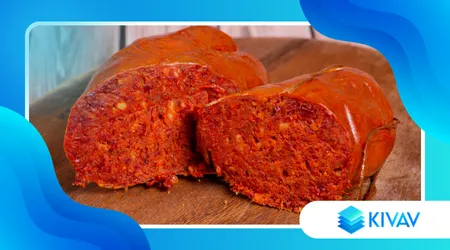
Frequently Asked Questions
What does short supply chain mean in Italian gastronomy?
The short supply chain represents a business model that minimizes the intermediate steps between the agricultural producer and the final consumer.
This system guarantees superior freshness of food, fairer prices and total transparency on the real geographical origin of food, allowing the tracking of seasonal products to try region by region directly from the source.
Why are the DOP and IGP labels essential for consumers?
DOP and IGP certifications protect food names from commercial imitations and guarantee strict quality standards monitored by independent bodies.
For consumers, they represent an absolute certainty of authenticity, territorial origin, and respect for historic traditional local recipes.
How will the 2026 climate affect typical products?
Recent climate changes are slightly altering traditional harvest calendars, causing some summer fruits to ripen earlier and requiring more irrigation.
Italian farmers are adopting innovative and sustainable technologies to protect the quality and continuity of the region's historic crops.
Where can I find the official list of certified Italian products?
The complete and constantly updated list of Italian agri-food excellences is available on the official website of the Ministry of Agriculture, Food Sovereignty and Forestry, which protects national productions.
++ Typical Italian regional products
++ The Most Popular Street Food in Italy's 20 Regions
