
Raffadali Pistachio DOP: Characteristics and Uses in the Kitchen
The Raffadali Pistachio DOP It represents an extraordinary example of Sicilian green gold, an agri-food jewel that redefines the standards of haute cuisine and contemporary pastry making.
Announcements
Summary
- Identity and origin in the Agrigento area
- The sensory profile and nuances of flavour
- The chemical parameters and the criteria of the specification
- Excellence in the art of Sicilian pastry making
- The gourmet application in savory recipes
- The ideal harmony in the glass and the pairing with wines
Identity and origin in the Agrigento area
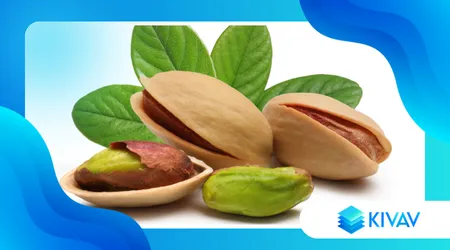
This magnificent fruit belongs to the botanical species Pistacia vera and is distinguished by a visceral bond with its territory of origin located in Sicily.
Cultivation extends mainly in the province of Agrigento, including the municipality of Raffadali and several surrounding areas characterized by markedly calcareous soil.
There's a history of resistance behind these plants. Local farmers have passed down the technique of grafting the Neapolitan cultivar onto wild rootstock. Pistacia terebinthus, commonly called Scornabeccu.
This botanical combination allows the plant to defy the scorching temperatures and Sicilian drought, extracting from the calcareous soil those essential minerals that we then find on our plates.
Announcements
Having obtained European recognition in March 2021, the product saw the creation of its own official protection body at the end of 2023.
To orient yourself within the strict regulatory framework and understand the related legal protections, you can consult the official documentation on the portal of Ministry of Agriculture, Food Sovereignty and Forestry, which monitors the authenticity of Italian supply chains.
The sensory profile and nuances of flavour
The real sensory surprise of this variety lies in the marked sweetness and the total absence of salty or bitter notes in the fresh fruit.
The climatic conditions of the Agrigento area favor optimal ripening and a concentration of fruity aromas that remain intact even after drying.
This pronounced flavor eliminates the need for artificial salting, an industrial vice that often masks poor quality.
The consistency of the pulp is compact and rich, offering the palate a pleasant butteriness that derives from the quality of the fatty acids present.
Visually, the cotyledons show an intense and uniform green color, protected by an internal film with purple reflections.
++ Typical seasonal Italian products to try, region by region
This specific chromatic identity derives from the balanced ratio between the types of chlorophyll, a genetic factor that makes the truly certified product immediately recognizable.
The chemical parameters and the criteria of the specification
The specifications impose strict analytical parameters that clearly differentiate this crop from other Mediterranean or Middle Eastern varieties sold on global markets.
Each batch undergoes rigorous checks before receiving the final labeling and the anti-counterfeiting digital passport.
The oil yield consistently exceeds the minimum required threshold, ensuring smoothness and chemical stability during food processing.
Humidity is artificially reduced through exposure to the sun or in specific dryers to prevent the development of mold.
Interesting: Emerging Typical Italian PGI Products to Know in 2026
The technical data reported below summarise the chemical requirements established by the ministerial text for the release for consumption of the Raffadali Pistachio DOP:
| Chemical-Physical Parameter | Minimum or Maximum Value Required | Organoleptic Benefit |
| Total oil yield | Major of 30% | Buttery and soft consistency |
| Moisture content | Less than or equal to 6.5% | Preservation and crunchiness |
| Presence of palmitoleic acid | Greater than or equal to 0.7% | Fluidity and aromatic persistence |
| Chlorophyll a/b ratio | Greater than or equal to 1.3 | Stable bright green color |
Excellence in the art of Sicilian pastry making: Raffadali Pistachio DOP
Sicilian pastry-making considers this ingredient the cornerstone of culinary creativity, using it to make spreadable creams, nougat, ice cream, and leavened desserts.
The Raffadali Pistachio DOP It releases its best aromas when reduced to a pure paste without the addition of colorants.
Modern pastry chefs exploit the fruit's natural sweetness to reduce the amount of refined sugars in mousses and Bavarian creams.
The coarse grain is applied to the surface of traditional cannoli and cassata, providing an extraordinary textural contrast.
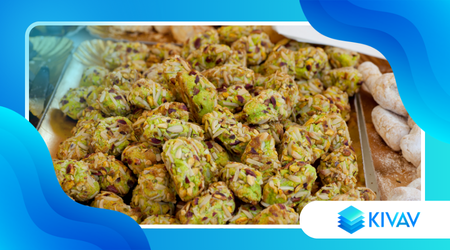
An excellent use is found in the preparation of the classic “Frutta Martorana” or sweet pesto to fill breakfast croissants.
++ Traditional Italian desserts revisited in a modern key
The aroma lingers long after baking, making almond paste biscuits enriched with this variety unforgettable.
The gourmet application in savory recipes
In the kitchen, its extraordinary versatility allows it to enrich first courses of fresh pasta, second courses of fine meat and gourmet savory pies.
Contemporary cuisine uses the fatty component of pistachios to balance the acidity of tomatoes or the saltiness of aged cheeses.
The chefs prepare raw pestos by crushing the shelled fruits with local extra virgin olive oil, fresh basil, lemon zest, and Sicilian pecorino cheese.
This sauce pairs beautifully with traditional pasta shapes like busiati, creating a perfect link between land and sea.
White meats and fish benefit enormously from a crunchy breading made with fine grains and fleur de sel.
Try searing a tuna fillet or duck breast after dipping it in the crumble for a memorable texture.
The ideal harmony in the glass and the pairing with wines
Pairing food and wine requires special attention when using an ingredient so rich in essential oils and lingering aromas.
For savory dishes, the ideal choice falls on structured white wines with good acidity and mineral flavor.
Native Sicilian grape varieties such as Grillo or Carricante dell'Etna enhance the fruit's richness without overpowering its delicate sweetness.
If the recipe calls for red meat, a young, fresh red wine like Frappato offers the perfect balance.
Pistachio-based desserts require sweet dessert wines capable of balancing the aromatic complexity of the dish.
A glass of Passito di Pantelleria or Malvasia delle Lipari creates an unforgettable sensory harmony, combining notes of dried fruit with Mediterranean aromas.
A gastronomic heritage to be preserved
Choose the Raffadali Pistachio DOP It means supporting the agricultural economy of an extraordinary area and bringing uncompromising quality to the table.
Its versatility and chemical properties make it an indispensable ingredient for anyone wishing to experience true Italian cuisine excellence.
To find out more details about certified farms and winter and summer promotional events, visit the website Qualivita Foundation, the European observatory for PDO, PGI and TSG products.
Frequently Asked Questions
What is the difference between the Raffadali Pistachio DOP and the Bronte Pistachio?
The Raffadali Pistachio DOP It grows on calcareous soils and is characterised by a distinct natural sweetness that does not require salting.
The Bronte variety, on the other hand, grows on purely volcanic soils, presenting different aromatic nuances linked to the composition of the earth.
How should the product be stored to maintain freshness?
The shelled fruit is preferably stored in airtight glass jars placed in a cool, dry place away from light sources.
To prolong the fragrance beyond six months, you can place the vacuum-sealed bags directly in the freezer.
Does Raffadali Pistachio DOP contain gluten or allergens?
The natural product is completely gluten-free and is ideal for celiacs or those with intolerances.
Since it is a tree nut, it represents a potential allergen for sensitive individuals and requires specific indication in preparations.
How to recognize the authenticity of the packaging on the market?
Consumers should always check the packaging for the yellow and red circular Protected Designation of Origin logo. Original boxes include the Consortium's traceability codes and the exact wording of the ministerial certification.
++ Raffadali Pistachio DOP – The Origins of Flavor
++ Raffadali Pistachio DOP: Everything You Need to Know
