
Tuscan Grape Schiacciata: The Sweet Bread of the Harvest
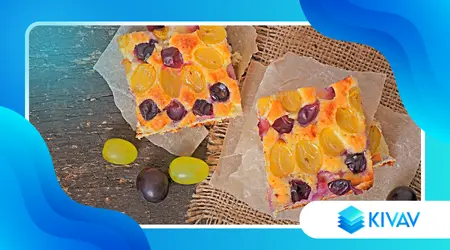
The scent of the Tuscan grape schiacciata It's something you don't forget: it tastes of wet earth, of shortening afternoons and fingers sticky with must.
Announcements
This ancient sweet bread is not a simple recipe, but the liquid and crunchy tale of the grape harvest experienced in the most authentic villages.
Summary
- A tradition born from peasant reuse
- The identity of the true Tuscan grape schiacciata
- The enigma of the grape variety: Canaiolo or Fragola?
- The detailed step-by-step recipe
- Geography of taste and nutritional contrasts
- The tasting ritual
- Answers to the most common doubts (FAQ)
What is the original Tuscan grape Schiacciata?
Born in farmhouses as a way to celebrate with very few ingredients, this focaccia combines the severity of everyday bread dough with the sugary explosion of ripe grapes.
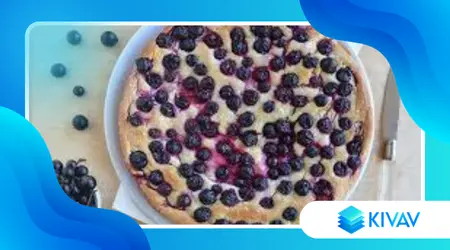
Don't look here for the geometric precision of modern pastry making; the beauty of the schiacciata lies in its purple veining and the imperfections of its surface.
In Florence, Prato, or Siena, the arrival of autumn is still measured by the color of the windows of the neighborhood bakeries.
Announcements
There Tuscan grape schiacciata It stands the test of time because it embodies accessible luxury, a visceral connection to the land that no industrial production has ever managed to faithfully replicate.
The structure is developed on two thin layers of leavened dough, alternating with an avalanche of grains that, under the effect of heat, crack, creating a dense and very fragrant syrup.
The extra virgin olive oil does the rest, adding softness and that typical underlying flavor that prevents the cloying effect.
What type of grapes is used in the authentic recipe?
Purists don't listen to reason: tradition demands the Canaiola grape. This is a historic Chianti variety, characterized by small berries, firm skin, and a very high concentration of color. Its slightly tannic juice forms a perfect balance with the added sugar.
Often, due to the poor availability of Canaiolo outside the wine-growing areas, people fall back on strawberry grapes or black table grapes.
While the result is pleasant, the original balance shifts toward a flatter sweetness, lacking those tart nuances that make the dessert memorable.
The seeds absolutely must not be removed. When cooked, they become crunchy, almost toasted, offering a fundamental textural contrast under the teeth.
++ Modern vegetarian pizza with gourmet seasonal ingredients
Anyone who wastes time pitting the grapes commits an unforgivable mistake: they erase the rustic signature of the dish.
How do you make grape schiacciata at home?
Baking bread at home requires patience and a little dexterity. You don't need a sophisticated mixer; all you need is your hands and respect for the dough's resting times.
Ingredients for a rectangular baking pan (about 30x40 cm)
- For the dough: 500 g of type 0 (or type 1) soft wheat flour, 320 ml of lukewarm water, 4 g of dry brewer's yeast (or 12 g of fresh yeast), 20 ml of extra virgin olive oil, 5 g of salt, 1 tablespoon of sugar.
- For the filling: 1 kg of black grapes (preferably Canaiolo or strawberry grapes), 150 g of granulated sugar, extra virgin olive oil to taste.
Step-by-step procedure
- The primary leavening: Dissolve the yeast in the warm water along with the tablespoon of sugar. In a large bowl, sift the flour and gradually add the water, stirring with a fork. Add the oil and finally the salt. Knead the dough on a table for about ten minutes, until it becomes smooth and elastic. Place it in the greased bowl, cover with a damp cloth, and let it rise in a warm place for about three hours, or until doubled in size.
- Washing the fruit: Meanwhile, wash the grapes thoroughly, remove the berries from the stalks, and dry them thoroughly with a clean cloth to prevent excess water from soaking the dough.
- Laying the first layer: Generously grease the pan with oil. Divide the risen dough into two pieces, one slightly larger than the other (about 60% and 40%). Spread the larger piece over the bottom of the pan, gently stretching it with your fingers without tearing it.
- The first filling: Spread two-thirds of the grapes evenly over the base. Sprinkle with half the remaining sugar and drizzle with a generous amount of extra virgin olive oil.
- The closing of the dessert: Roll out the second portion of dough on a floured work surface and use it as a lid. Carefully seal the edges by pressing with your fingers, so that the grape juice remains trapped inside during baking.
- The surface finish: Spread the remaining grapes over the surface, pressing them lightly into the dough. Finish with the remaining sugar and a final drizzle of oil. Let the pan rest for another 30 minutes.
- Cooking: Bake in a preheated oven at 190°C (375°F) for about 40-45 minutes. The schiacciata is ready when the sugar has turned into a dark syrup and the surface has a golden, caramelized crust.
You can find out more about the dough maturation techniques by visiting the technical portal of the’Pizza Makers Academy, a valuable resource for anyone who wants to master yeast management.
What are the nutritional values of this dessert?
Looking at the composition, we are faced with a decidedly atypical dessert by modern standards.
The absence of saturated animal fats and the strong presence of fresh fruit radically change the digestive impact compared to a traditional cake.
The skins of black fruits release a significant amount of phenolic compounds during the thermal shock of the oven.
The use of extra virgin olive oil, rich in healthy fats, slows the absorption of sugars, limiting sudden glycemic spikes.
Find out more: Multigrain rustic bread with advanced natural fermentation
The table illustrates the average profile calculated for a 100-gram portion, useful for integrating this snack into a balanced diet.
| Nutritious | Quantity per 100g | Nutritional Goal |
| Energy | 245 kcal | Moderate |
| Carbohydrates | 48 g | Main energy source |
| Sugars | 18 g | Natural fruit |
| Fats | 4.5 g | From extra virgin olive oil |
| Proteins | 4.2 g | From soft wheat |
| Fibers | 2.1 g | Excellent for digestion |
Why does Tuscan grape schiacciata conquer everyone?
The secret charm of this sweet bread lies in its complete lack of pretension. The base isn't a sugary shortcrust pastry, but a bread dough, almost austere, that leaves the stage to the aromatic complexity of the cooked must.
As it cooks, the kitchen fills with a dense, almost ancestral aroma, reminiscent of cellars and beaten earth.
This flavor evokes childhood memories even in those who have never experienced a real Tuscan grape harvest in the countryside.
The contemporary focus on plant-based ingredients and lactose-free preparations has given the recipe new life.
++ Raffadali Pistachio DOP: Characteristics and Uses in the Kitchen
There Tuscan grape schiacciata It fits perfectly into the clean food trend, where seasonality is not a slogan but a biological necessity.
When is this dessert traditionally eaten?
The best time to cut it is when it's lukewarm, allowing the juices to settle without completely cooling. The texture of the paste should remain slightly moist from the syrup dripping from the grapes inside.
Tuscans enjoy it mid-afternoon, often accompanied by a glass of young red wine that cleanses the palate from the grape's sweetness. It's not uncommon to see it served at the end of a meal in trattorias with strong local roots.
In autumn, village festivals celebrate this ancient combination, transforming the preparation into a moment of collective relaxation.
Eating it outdoors, while the air cools, restores a profound sense of the passing of time and the changing of the seasons.

Conclusion
Choose to knead the Tuscan grape schiacciata it means carrying out a small act of cultural resistance against the standardization of flavors.
Traditional Tuscan cuisine demonstrates once again how peasant poverty could be transformed into pure gastronomic genius.
The brevity of the wine grape season makes this annual event a small, unmissable luxury. Experiencing the texture of the dough and the freshness of the grapes firsthand connects cuisine to the land.
You can learn more about the historical evolution of Tuscan leavened products and their connection with ancient peasant traditions by consulting the historical archives of the Red Shrimp, one of the most authoritative voices in the panorama of Italian food criticism.
Frequently Asked Questions
Can I use seedless grapes for Tuscan Grape Schiacciata?
The seedless grape alters the typical texture desired by the original Tuscan recipe. While tolerated for children's convenience, the absence of the woody core takes away the crunchy contrast that defines the dessert's character.
How long does sweet focaccia keep?
Optimal storage is no more than forty-eight hours at room temperature, protected by a clean cloth. The very high internal moisture released by the fruit risks making the base excessively soft over time.
Can you freeze schiacciata after cooking?
Freezing is highly discouraged due to the cellular structure of cooked grapes. During thawing, the water content would irreparably compromise the texture of the dough, turning the schiacciata into a soft block.
Which flour is best to use for dough?
Less refined flours, such as type 0 or the richly aromatic type 1, are perfect. They promote the development of an elastic gluten network capable of holding the heavy weight of the grapes without collapsing during leavening.
Is it necessary to add rosemary to the preparation?
The use of rosemary is divisive in Tuscany: some coastal areas love it, while inland Chianti prefers the purity of the fruit. You can add a few needles if you like a balsamic finish.
++ A version of "Schiacciata all'uva", a typical sweet focaccia
