
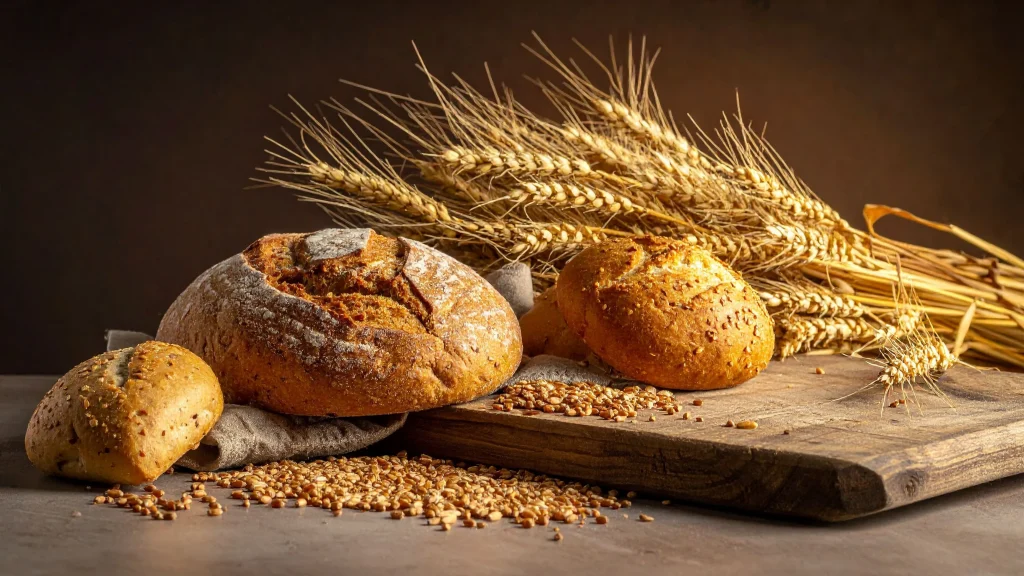
Rustic bread with sourdough and a crispy crust
Prepare a perfect rustic bread with sourdough It requires technique, patience, and a deep scientific understanding of the natural fermentation of today's home-made doughs.
Announcements
This artisanal process transforms simple ingredients like water and flour into a nutritionally superior food, characterized by complex aromas and unmistakable textures.
In this practical guide, you'll discover the technical secrets to achieving exceptional results directly in your home oven, optimizing every single step.
Together, we'll explore the fundamental steps to mastering this noble art, ensuring top-quality home baking and great personal satisfaction.
- The nutritional benefits of spontaneous fermentation.
- The essential tools for kneading and baking.
- The complete recipe for your first dough.
- Advanced techniques to develop perfect alveoli.
Why choose natural fermentation today?
The spontaneous leavening process offers tangible benefits for our digestive health, significantly reducing the glycemic impact compared to traditional commercial products.
Announcements
The lactic acid bacteria present in sourdough pre-digest starches and break down phytic acid, maximizing the absorption of essential minerals such as iron and zinc.
According to recent nutritional data from 2026, conscious consumers are increasingly choosing artisanal leavened products to prevent annoying post-prandial abdominal bloating.
The essential tools to get started
To get a real rustic bread with sourdough, you need to equip yourself with specific equipment that simulates the cooking environment of professional ovens.
A cast iron pot is the best investment for retaining steam for the first twenty minutes of cooking, ensuring magnificent vertical development.
Additionally, a wicker proofing basket allows the dough to breathe properly during its overnight cold rest in your home refrigerator.
Essential Recipe: Your First Crispy Loaf
This seventy percent hydrated formula is ideal for those who want to approach natural bread making without risking frustrating technical failures during execution.
Always use the highest quality flours, preferably stone-ground, to ensure optimal nutrition for your precious microorganisms throughout the entire process.
- 400 grams of strong type 1 flour.
- 100 grams of organic wholemeal flour.
- 350 grams of warm filtered water.
- 100 grams of active refreshed sourdough.
- 11 grams of fine sea salt.
The step-by-step process
Start by actively dissolving the sourdough starter in room temperature water, making sure there are no annoying lumps left at the bottom of your large bowl.
Gradually add the sifted flours, mixing roughly with a wooden spoon until all the liquids in the bowl have been absorbed.
Let this rustic mixture rest for about forty minutes in a process called autolysis, essential for developing a tough and resistant gluten network.
Next, incorporate the sea salt, squeezing the dough between your fingers to facilitate even absorption, and begin kneading vigorously on the work surface.
++ Bari-style focaccia with potatoes in the dough: all the secrets of tradition
Perform three sets of reinforcing folds at half-hour intervals, helping the dough to incorporate air and acquire the right structural tension.
Perfect maturation and cooking
Transfer the formed dough to the floured basket and place it in the coldest part of the refrigerator to rest uninterrupted for twelve hours.
Preheat the oven to maximum power by first inserting the cast iron pan, creating the ideal thermal environment for the essential initial shock.
Score the surface of the cold dough with a sharp razor blade, then bake, covering it with the lid to generate the steam that helps it rise.
Interesting: High-Hydration Roman Pan Pizza: A Complete Beginner's Guide
Remove the lid after twenty minutes to let the surface sugars caramelize, finishing cooking until deep and inviting golden brown.
The secrets to an explosive and fragrant crust
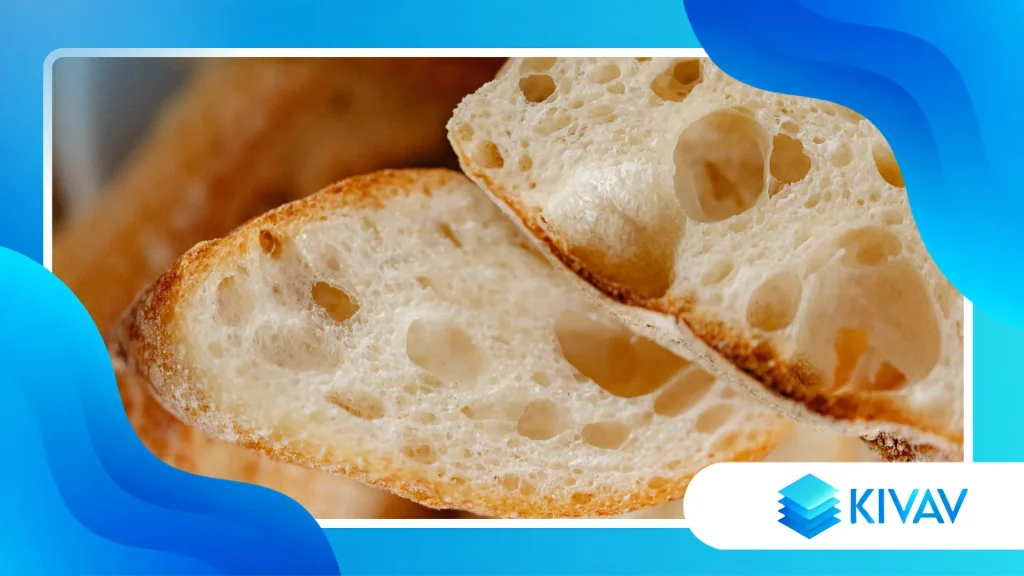
Many enthusiasts struggle to get a rustic bread with sourdough that maintains its crunchiness even in the days after being baked.
The key lies in carefully managing the residual moisture inside the crumb during the last fifteen minutes of your intense baking session.
Leaving the oven door slightly ajar allows excess steam to escape, drying the surface and ensuring a sound result.
++ Ciaramicola perugina: the pink doughnut symbol of Easter
Furthermore, proper cooling in an upright position on a raised rack prevents the formation of harmful condensation that would irreparably soften the base.
Technical comparison: Natural yeast vs. brewer's yeast
We analyze the structural and organoleptic differences between these two breadmaking methods, highlighting the reasons that push more and more people towards artisanal methods.
| Characteristic | Natural Yeast | Brewer's Yeast |
| Operating times | From 12 to 24 hours | 2 to 4 hours |
| Aromatic profile | Altissimo, complex notes | Low, very flat flavor |
| Digestibility | Excellent, predigested starches | Moderate, possible slight swelling |
| Conservation | Up to 7 days intact | Dry after just 24 hours |
Documented impact on digestive well-being: rustic sourdough bread
Several nutritionists regularly recommend naturally fermented products to support the balance of intestinal flora and improve the body's metabolic response after daily meals.
The bacteria's lengthy metabolic process breaks down complex sugars, which are often problematic for people with temporary sensitivities not related to diagnosed celiac disease.
To learn more about the biochemical mechanisms of fermentation, you can consult the authoritative research published in the National Center for Biotechnology Information scientific database on the topic.
Common mistakes to absolutely avoid
A rustic bread with sourdough Too much acid often comes from incorrect cooling or excessively high operating temperatures during the warm months.
Learn to recognize the exact moment when your starter reaches peak activity before adding it to the final dough.
Using a collapsed culture that lacks expansive strength will severely compromise volume development, giving you a dense, heavy and unappealing product.
Conclusion
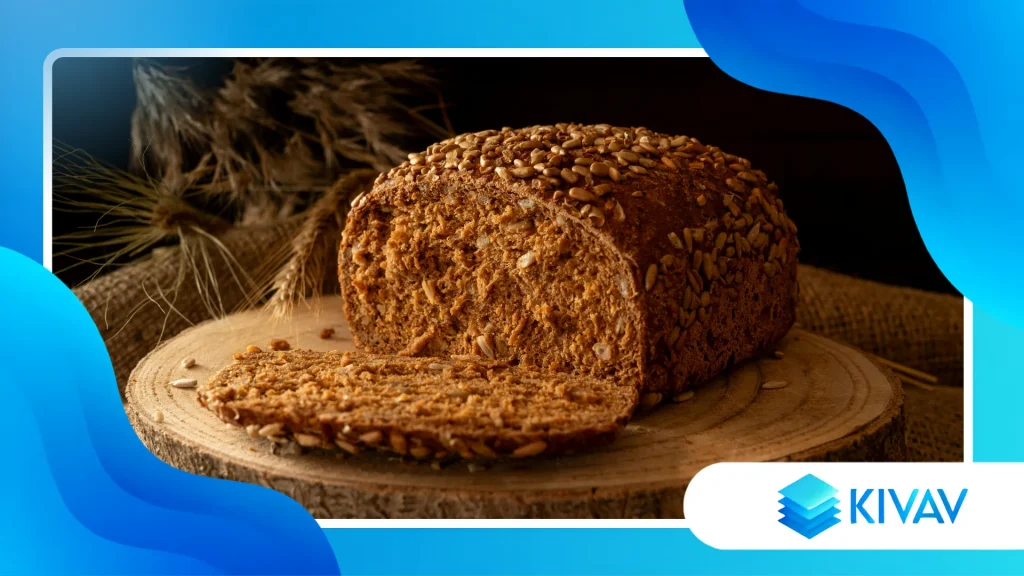
Bake a real one rustic bread with sourdough It represents a rewarding experience that reconnects the individual with the slow rhythms of nature and ancient traditions.
By applying the techniques explored in this guide, you will quickly transform your kitchen into a true artisanal bread-making laboratory of the highest personal prestige.
Keep experimenting with different flour blends and hydration levels to find the perfect flavor balance that is sure to please your guests.
frequently asked questions
How long does the loaf stay fresh?
Thanks to the natural acidity that inhibits the growth of mold, the loaf remains fragrant and soft for up to seven days at room temperature.
Can I freeze the dough before baking?
We strongly advise against freezing raw dough as low temperatures irreparably damage the living microorganisms responsible for proper growth inside the home oven.
Why is my crust too thick and hard?
An unpleasantly hard crust indicates a serious lack of steam in the initial minutes of baking or the use of an insufficient oven temperature.
Which flours guarantee optimal results?
Choose organic, stone-ground flours with high protein content.
Follow the constant updates World Health Organization nutritional guidelines for a balanced diet daily.
++ Same-day Rustic Bread Recipe
++ Homemade bread with crunchy sourdough without a mixer
