
Voltri Focaccia: the lesser-known Ligurian variant
There Focaccia di Voltri è una straordinaria specialità del ponente genovese, famosa per la sua incredibile croccantezza e lo spessore sottile.
Announcements
A differenza della versione classica, viene stesa sulla farina di mais, ottenendo una consistenza friabile e un profumo unico.
Scopriamo insieme la storia, le caratteristiche e la ricetta tradizionale per preparare a casa questo autentico tesoro della Liguria.
Article summary
- Origini e Storia: Il legame profondo con il ponente genovese.
- Differenze Chiave: Cosa distingue questa variante dalla focaccia classica.
- Ingredienti e Tecnica: Il ruolo fondamentale della farina di polenta.
- Ricetta Autentica: Passaggi pratici per prepararla a casa.
- Domande Frequenti (FAQ): Risposte ai dubbi più comuni.
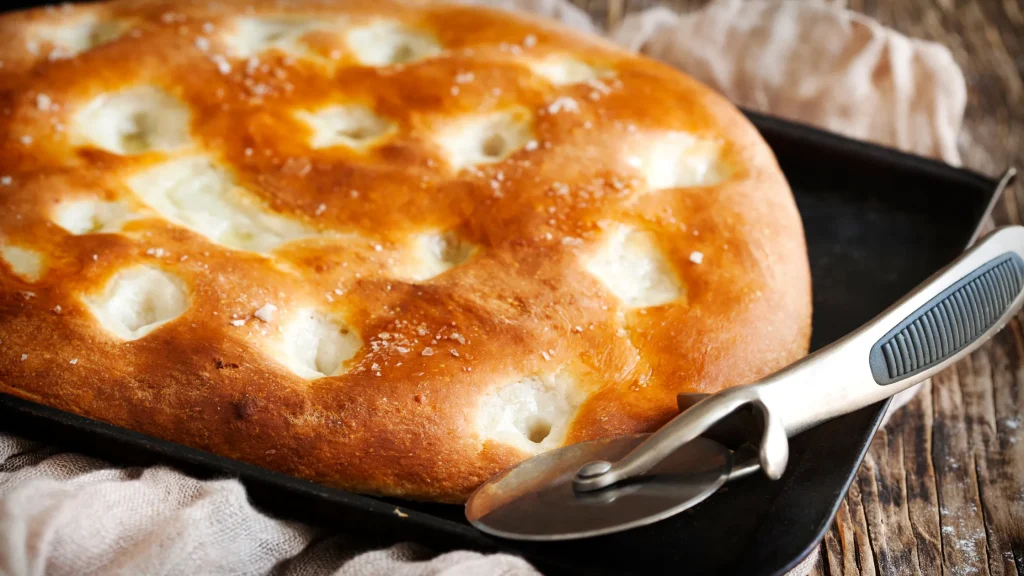
Cos’è la Focaccia di Voltri e qual è la sua storia?
Nata nel quartiere di Voltri, all’estremo ponente genovese, questa specialità vanta radici storiche legate alla tradizione dei panificatori locali.
I fornai cercavano una preparazione rapida, gustosa e accessibile per i lavoratori del porto.
Announcements
A differenza del prodotto da forno tradizionale diffuso nel resto della regione, la variante voltrese si distingue per un impasto estremamente idratato.
Questa caratteristica richiede una manualità esperta e tempi di lavorazione precisi.
Oggi questa tradizione è tutelata da storici panifici di quartiere.
Molti artigiani mantengono viva la ricetta originale per preservare l’identità culinaria del territorio genovese di ponente di fronte alla standardizzazione industriale.
Qual è la differenza tra la focaccia genovese e quella di Voltri?
La differenza principale risiede nella consistenza finale, nello spessore e nel metodo di cottura.
La classica versione genovese si presenta alta circa due centimetri, morbida all’interno e ricca di impronte profonde colme di salamoia.
On the contrary, the Focaccia di Voltri è molto più sottile, quasi priva di mollica e straordinariamente croccante.
L’impasto viene steso direttamente su spolverate di farina di mais prima di entrare nel forno.
Per comprendere al meglio le caratteristiche tecniche che separano queste due icone della panificazione ligure, possiamo analizzare i dati specifici di produzione e composizione riportati nella tabella sottostante.
++ Neapolitan mountain pizza: the history of fried street food
Confronto tecnico tra le due varianti liguri
| Characteristic | Focaccia Genovese Classica | Variante di Voltri |
| Spessore medio | 1,5 – 2,0 cm | 0,5 – 0,8 cm |
| Idratazione impasto | 60% – 65% | 70% – 75% |
| Presenza di mollica | Discreta e soffice | Quasi assente |
| Spolvero di stesura | Soft wheat flour | Farina di mais (polenta) |
| Consistenza finale | Morbida con bordi croccanti | Interamente croccante e friabile |
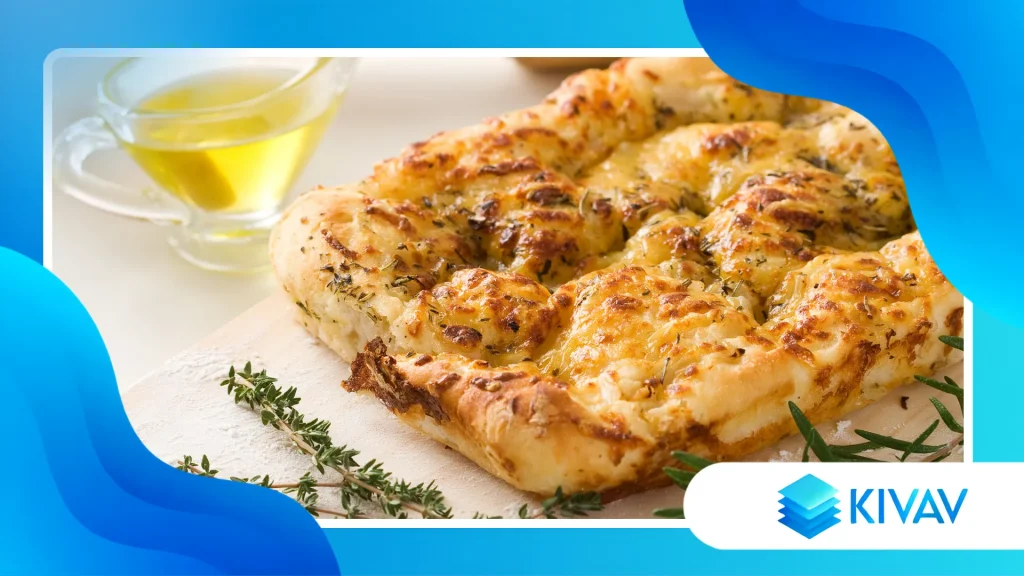
Come funziona la preparazione della Focaccia di Voltri?
La preparazione richiede farine di grano tenero di media forza e un’alta percentuale di acqua.
L’alta idratazione rende l’impasto quasi liquido, impossibile da stendere con il matterello tradizionale.
I panificatori stendono l’impasto spolverando abbondante farina di polenta fine sul banco da lavoro.
Questo strato di mais impedisce alla massa di attaccarsi e dona una fragranza unica dopo la cottura.
Il disciplinare enogastronomico promosso dalla Regione Liguria per la valorizzazione dei prodotti tipici sottolinea come la cottura ad alta temperatura sia essenziale per garantire la fragranza distintiva di queste preparazioni tradizionali.
Ricetta originale per preparare la Focaccia di Voltri a casa
Prepare the Focaccia di Voltri nella propria cucina richiede pazienza e il rispetto rigoroso dei passaggi.
Interesting: Steamed pizza and combined oven for a soft and light base
Seguire le dosi esatte garantisce un risultato croccante e fedele alla tradizione del ponente.
Ingredients needed:
- 500 g di farina tipo 0 (260 W)
- 375 ml di acqua tiepida
- 15 g di sale fino
- 10 g of fresh brewer's yeast
- 30 ml di olio extravergine d’oliva ligure
- Farina di mais fine (polenta) q.b. per lo spolvero
Procedimento passo dopo passo:
Sciogliere il lievito di birra nell’acqua tiepida all’interno di una ciotola capiente.
Aggiungere la farina gradualmente, mescolando energicamente con un cucchiaio di legno fino a eliminare tutti i grumi.
Unire il sale e l’olio extravergine d’oliva, continuando a lavorare l’impasto finché non risulta omogeneo e molto morbido.
Coprire la ciotola con pellicola trasparente e lasciar lievitare a temperatura ambiente per circa due ore.
Spolverare abbondantemente la spianatoia con la farina di mais fine.
++ Tuscan Pan dei Santi: leavened bread with walnuts and spiced raisins
Rovesciare l’impasto lievitato sulla spianatoia, dividendo la massa in due porzioni uguali senza sgonfiarla eccessivamente.
Stendere delicatamente l’impasto con le dita, lasciando che la farina di mais aderisca alla parte inferiore della superficie.
Trasferire la sfoglia sottile su una teglia precedentemente spennellata con olio extravergine d’oliva.
Versare un filo d’olio sulla superficie e cuocere in forno statico preriscaldato a 240 °C per circa 12-15 minuti.
Perché provare questa variante meno conosciuta?
Assaggiare o preparare la Focaccia di Voltri permette di scoprire una sfaccettatura diversa della panificazione ligure.
La presenza della farina di mais regala una nota tostata inconfondibile al palato.
La sua leggerezza la rende perfetta sia come spuntino mattutino che come accompagnamento per salumi e formaggi locali.
Inoltre, la minore quantità di mollica garantisce una digeribilità spesso superiore.
Incoraggiare la produzione domestica o l’acquisto nei forni storici aiuta a preservare la biodiversità culinaria dell’Italia.
Per approfondire la storia della panificazione italiana, consulta le schede storiche sul Ministry of Agriculture, Food Sovereignty and Forestry.
Conclusion
There Focaccia di Voltri merita un posto di rilievo nella gastronomia italiana per la sua storia, la sua croccantezza unica e la sua tecnica di stesura con farina di mais.
Sperimentare questa ricetta a casa vi permetterà di portare in tavola i profumi autentici del ponente genovese. Non vi resta che accendere il forno e condividere questa straordinaria eccellenza ligure.
Frequently Asked Questions
Posso sostituire la farina di mais nella stesura?
No, la farina di mais fine è l’elemento fondamentale che definisce la croccantezza e il sapore tipico di questa variante genovese.
Quanto tempo si conserva la Focaccia di Voltri?
A causa del suo spessore ridotto, va consumata idealmente in giornata. Mantiene una buona fragranza per circa 12 ore se conservata in un sacchetto di carta.
Quale olio utilizzare per un risultato perfetto?
È indispensabile utilizzare olio extravergine d’oliva ligure DOP, caratterizzato da un sapore delicato, fruttato e mai invasivo sul gusto dell’impasto.
Serve la salamoia di acqua e olio come per quella classica?
No, questa variante non richiede la classica salamoia abbondante nelle fossette, ma solo un leggero filo d’olio extravergine d’oliva prima di infornare.
++ Ricetta originale di Voltri
++ L’irresistibile golosità delle focacce
