
Italian protein bread with alternative flours and nutritious seeds
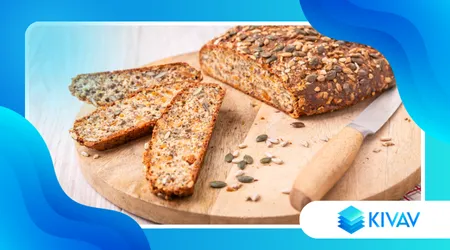
The Italian protein bread with alternative flours It's not just yet another response to a passing fitness fad, but represents a conscious return to a white art that is no longer satisfied with starch alone.
Announcements
In a country where bread is sacred, the idea of manipulating tradition with nutritious legumes and seeds can seem almost a challenge, yet it is precisely here that Italian technique demonstrates its superiority, transforming nutritional needs into an authentic sensorial experience.
Article summary
- The evolution of the concept of functional bread
- Technical Flours: Beyond the Strength of Gluten
- The biochemical profile of oilseeds
- Comparative analysis of nutritional performance
- A practical guide: the recipe for artisanal protein bread
- FAQ and conservation management
What is Italian protein bread with alternative flours?
There's something profoundly rational about rethinking the structure of bread. We're not talking about a banal substitute, but a dense food, designed for those seeking an energy boost that won't burn out in half an hour.
The Italian protein bread with alternative flours It distances itself from the industrial versions, often gummed up and loaded with added vital gluten, to focus on the natural synergy between ancient grains and legumes.
In Italy, the rediscovery of local agronomic varieties has made it possible to obtain flours that boast a higher nutrient density without having to resort to chemical additives.
Announcements
Choosing this type of bread means supporting muscle metabolism without sacrificing that crunchy crust and toasted aroma that define our gastronomic culture.
Why use legume and pseudocereal flours?
We often underestimate how much the glycemic index can influence our mental clarity throughout the day.
The integration of flours derived from chickpeas or lupins not only serves to "build mass", but also serves to slow the speed of sugar absorption.
Lupin flour, in particular, is a technical pillar: with its 40% of protein, it acts as a supporting structure in the dough.
Pseudocereals like buckwheat or quinoa add that rustic, almost wild note that is missing from overly refined modern breads.
++ Crispy laminated pizza with modern flaky dough
It's a delicate balance; too much legume and the bread becomes heavy; too little and it loses its nutritional value. The trick lies in finding the sweet spot between density and softness.
Which nutritious seeds enhance the recipe?
Seeds aren't just cosmetic embellishments for taking pretty photos. They're tiny reservoirs of omega-3 fatty acids and fiber that modify the very mechanics of the dough.
When flaxseeds or sunflower seeds are hydrated, they release mucilage that helps retain moisture, ensuring the product doesn't become sticky the next day.
The addition of hulled hemp raises the bar, offering a complete amino acid profile rarely found in a single vegetable.
Interesting: Focaccia from Bari with cherry tomatoes and oregano: a top Apulian recipe
These inclusions give the bread an aromatic complexity reminiscent of rural ovens, where nothing was wasted and every grain had a vital value for the community.
Nutritional table: Comparative analysis (per 100g)
| Component | Common Bread (Type 0) | Artisan Protein Bread |
| Protein (g) | 8.5 | 22.0 |
| Carbohydrates (g) | 52.0 | 18.5 |
| Fiber (g) | 2.5 | 9.0 |
| Fat (g) | 1.0 | 7.5 |
| Glycemic Index | High (85) | Low (40) |
The Recipe: Protein Bread with Lupins and Hemp Seeds
Making this bread requires patience and a less “aggressive” approach than using traditional wheat flour.
Alternative flours absorb water differently, so they will initially feel stickier.
Ingredients:
- 300g of type 1 flour (stone ground)
- 150g of lupine or chickpea flour
- 50g of buckwheat flour
- 380ml of warm water
- 100g of refreshed sourdough starter (or 5g of fresh brewer's yeast)
- 60g of mixed seeds (pumpkin, flax, hemp)
- 10g of whole sea salt
Procedure:
Mix the flours and gradually add the water. After letting the dough rest for 30 minutes (autolyse), add the yeast and salt.
Knead the dough until it becomes elastic, then stir in the seeds. Let it rise at room temperature for 3 hours, then refrigerate for 18 hours.
This long maturation is essential for breaking down the proteins in legumes.
Bake in a static oven at 230°C for the first 20 minutes with steam, then lower the temperature to 200°C for another 25 minutes, finishing cooking with the door slightly ajar.
For further information on the bioavailability of nutrients, it is useful to consult the technical analyses of the CREA – Food and Nutrition Research Center.
When to consume bread for maximum benefits?
The timing of consumption radically changes the metabolic impact. Eating this bread for breakfast ensures insulin stability, preventing the classic mid-morning "munchies.".
Post-workout, protein intake aids recovery without weighing down digestion, especially when combined with healthy fats like extra virgin olive oil or avocado.
Find out more: Umbrian bastard lasagna with wheat flour and eggs
Many athletes prefer this food because it allows them to keep carbohydrates under control without giving up the psychological gratification of eating real bread.
It's a choice of efficiency: every calorie ingested has a specific functional purpose within the day.
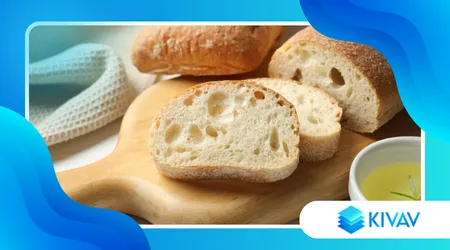
What are the best home cooking techniques?
Baking is where many fail. Protein bread is denser and retains more moisture.
The use of a refractory stone is highly recommended to transmit immediate heat to the base, allowing for vertical development that would otherwise be difficult.
Starting with steam isn't just for aesthetics; it helps keep the surface elastic while the core of the bread expands.
If the crust seals quickly, the bread will remain moist and almost raw inside. A slow finish allows any remaining moisture to escape, creating the airy, dry texture that makes every bite a pleasure.
Innovation in the world of Italian baking is demonstrating that we don't have to choose between health and taste.
Incorporating protein bread into your daily diet means embracing a more modern vision of nutrition, where raw materials are respected and enhanced through time and technology.
It is a silent balance between the earth that produces the legumes and the wisdom of fermentation that makes them noble.
For more information on the quality standards of artisanal bread-making, visit the portal of Ministry of Agriculture, Food Sovereignty and Forestry.
FAQ – Frequently Asked Questions
Is protein bread suitable for those on a ketogenic diet?
It's not strictly “keto,” but it has a much lower carb load than traditional bread, making it perfect for balanced low-carb diets.
How can I prevent bread from tasting too much like legumes?
The long fermentation process and the use of sourdough starter drastically tone down the “grassy” flavor typical of chickpea or lupin flours, transforming it into notes of toasted hazelnut.
Can you use a bread machine?
Yes, but be sure to choose long programs. Alternative flours need time to hydrate properly; short cycles could result in bread that's too compact.
Can I substitute the seeds if I'm allergic?
Of course. The seeds can be replaced with chopped walnuts or simply omitted, knowing that the bread's shelf life will be slightly reduced.
++ Protein bread only 2 ingredients No flour
++ Simple Recipe for Homemade Protein Bread
